The Trump administration has reportedly made
efforts to persuade Venezuela and Iraq to withdraw from the Organization of the
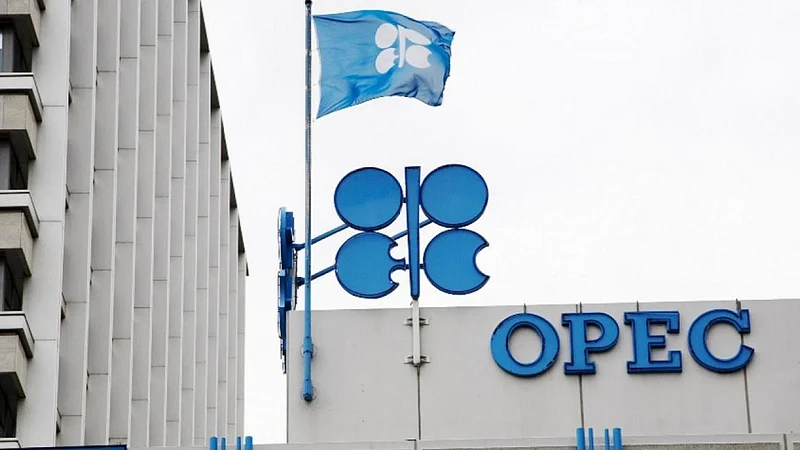
Petroleum Exporting Countries (OPEC). OPEC is an organization of oil-exporting
countries whose members coordinate decisions on oil production and supply in
the global market. The organization currently has 11 members. It has also
established the OPEC+ alliance in cooperation with other oil-producing
countries, including Russia. According to Reuters, citing 10 people
familiar with the matter, US officials made efforts this year to persuade
Venezuela and Iraq to leave OPEC. Sources told Reuters that American officials
wanted to increase oil production and investment in both countries and were
concerned that OPEC's production quotas could obstruct these plans.
What Role Did the Saudi Crown Prince Play?
According to Reuters, US pressure over
Venezuela's potential withdrawal from OPEC became so intense that Saudi Crown
Prince Mohammed bin Salman had to intervene. Two people familiar with the
matter said that during the summer of this year, he persuaded the Trump
administration not to put further pressure on Venezuela to leave the
organization. US
officials also discussed the possibility of Iraq leaving OPEC with Iraqi Prime
Minister Ali Falih Kadhim al-Zaydi. Following those discussions, the Iraqi
prime minister raised the issue of withdrawing from the organization during a
government meeting in the summer. However, Iraq's Oil Ministry opposed the
proposal and advised the prime minister to seek a higher oil production quota
for Iraq rather than withdraw from the organization. According to Reuters, some
factions within Iraq's ruling coalition still support leaving OPEC and OPEC+.
They believe that Saudi Arabia and Russia exercise excessive influence over
these organizations.
Venezuela's Membership Fee Also Withheld
According to Reuters, the US administration also
prevented Venezuela from paying its annual OPEC membership fee. Sources said
American officials believed the money could be spent on more important
priorities. OPEC
members reportedly pay approximately €2.8 million annually in membership fees.
The money is used to cover staff salaries, research and other administrative
expenses. The US State Department
did not directly answer a question about whether Venezuela's membership payment
had been blocked. However, it confirmed that Venezuelan government funds are
held in an account under US control and that the interim government must obtain
approval from American officials before using those funds. A US State Department official offered a
different perspective, saying that lower-level American officials may have
raised the issue of Venezuela leaving OPEC, but that the subject was not
included in discussions among senior officials. OPEC sources told Reuters that the
organization has the option of allowing Venezuela to retain its membership even
if it fails to pay its annual fee. They added that there are currently no plans
to expel the country from the organization.
Can the United States Persuade the Two
Countries?
The United States has several means of exerting
influence over both countries. Following the removal of Nicolás Maduro's
government in January, Venezuelan state funds also came under US control. Meanwhile, Iraq's oil
revenues continue to be transferred through an account maintained at the
Federal Reserve Bank of New York. This arrangement was established following
the US invasion of Iraq in 2003 and has remained in place for more than two
decades. According to Reuters, the
United States also threatened Iraq this year that it could be deprived of its
oil revenues if it failed to reduce Iran's influence within its government. It is worth recalling
that OPEC was established in Baghdad in September 1960. Iraq, Iran, Saudi
Arabia, Kuwait and Venezuela jointly founded the organization to reduce the
dominance of Western oil companies in the global petroleum market and enable
oil-producing countries to exercise greater control over their natural
resources.
US President Donald Trump has repeatedly
criticized OPEC over the years. He has described the organization as a cartel
and a monopoly, accusing it of keeping oil prices high for consumers around the
world. Over the past decade, the
United States has become the world's largest oil producer and is now a major
competitor to OPEC in the global market. Trump wants American oil companies to
invest in Venezuela and restore its oil production capacity. According to Reuters, four OPEC members —
Qatar, Ecuador, Angola and the United Arab Emirates — have left the
organization since 2019. The UAE announced its withdrawal this year following
disagreements over production quotas. However, there is no evidence that the
United States played a role in the decisions of these countries. Venezuela is currently exempt from OPEC+'s oil
production quotas because years of sanctions and mismanagement have pushed its
output significantly below historical levels. According to OPEC data, Venezuela produced
approximately 1.2 million barrels of oil per day in September. Meanwhile, its
state-owned oil company, PDVSA, has set a target of increasing production to
1.5 million barrels per day by the end of next year.