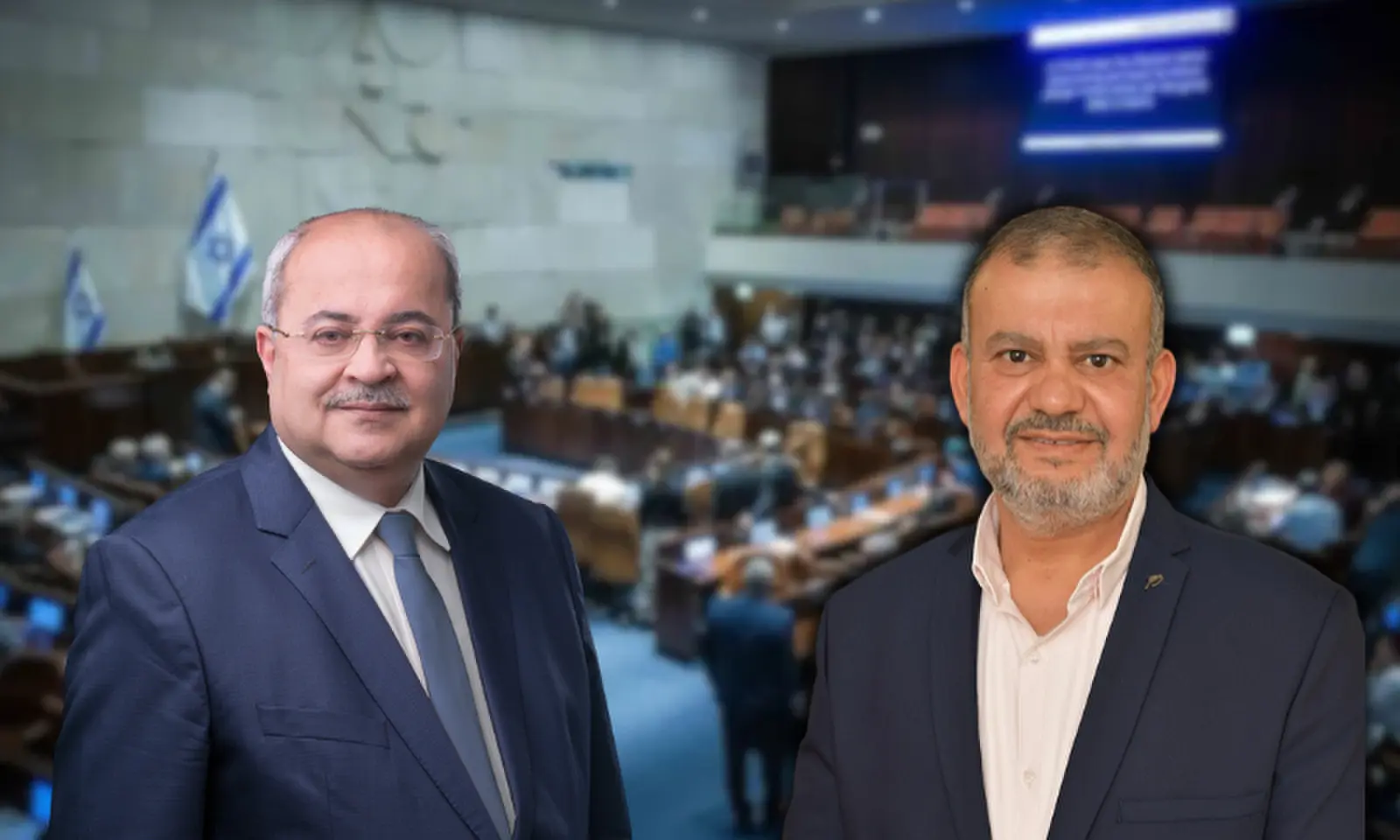
Two Arab Muslim political leaders, Ahmad
Tibi and Walid Taha, have been elected interim deputy speakers of the Knesset,
Israel’s parliament, following the country’s parliamentary elections. According to Israeli media reports, the
Knesset’s Arrangements Committee on Monday approved the appointment of nine
lawmakers from different political parties as deputy speakers. During the
voting, Prime Minister Benjamin Netanyahu’s Likud party and its far-right
coalition partners objected to Ahmad Tibi’s appointment and voted against the
entire list of nine candidates. On the
other hand, representatives of the opposition and other political blocs,
including Gadi Eisenkot, Yair Lapid and Naftali Bennett, supported the list. As
a result, all nine candidates were elected.
Role of Deputy Speakers in the Knesset
Under Israel’s parliamentary system, the speaker
and deputy speakers collectively form a body known as the Presidium,
which plays an important role in parliamentary proceedings. The weekly agenda
of the Knesset cannot be set, nor can bills be introduced in parliament,
without the Presidium’s approval. According to the Knesset’s rules, nine deputy
speakers are appointed. Rather than holding separate votes on individual
candidates, lawmakers vote on the entire list collectively. This explains why
all nine candidates, including Ahmad Tibi and Walid Taha, were elected despite
opposition from the governing coalition. The list also included lawmakers
nominated by Likud and its allied parties.
Who Are Ahmad Tibi and Walid Taha?
Ahmad Tibi heads the Arab political party Ta’al
and has been a member of the Knesset since 1999. He has previously served as a
deputy speaker. Walid Taha is a leader of the Arab party Ra’am. He has been a
member of parliament continuously since 2019 and was recently elected deputy
speaker. Ra’am was initially part of the Arab political alliance known as the
Joint List but withdrew from the alliance in 2021. Arab Muslim lawmakers have
also held deputy speaker positions in the Knesset in the past.
Arab Parties Secure a Significant Electoral
Position
The election of the Knesset’s deputy speakers
took place following Israel’s parliamentary elections held on October 27. According to the election results, Prime
Minister Benjamin Netanyahu’s political bloc secured 53 seats in the 120-member
Knesset, while the bloc led by Gadi Eisenkot won 48 seats. Arab parties
collectively secured 19 seats. Neither
Netanyahu’s bloc nor Eisenkot’s bloc managed to obtain the 61 seats required
for a parliamentary majority. Consequently, the support of Arab parties has
assumed considerable importance in the government formation process. On November 8, Israeli President Isaac Herzog
tasked Gadi Eisenkot with forming the new government. He may also be granted a
possible 14-day extension to complete the process. If Eisenkot fails to form a government within
the stipulated period, another member of the Knesset may be given an
opportunity to form the government.