Muslims in India are facing arrest,
detention and deportation after their names were removed from voter lists,
while their citizenship has also been called into question. According
to a report by Reuters, a large number of Muslims are among those whose names
have been deleted during the revision of voter lists in India. Some individuals
have been detained and deported after being labeled illegal immigrants, despite
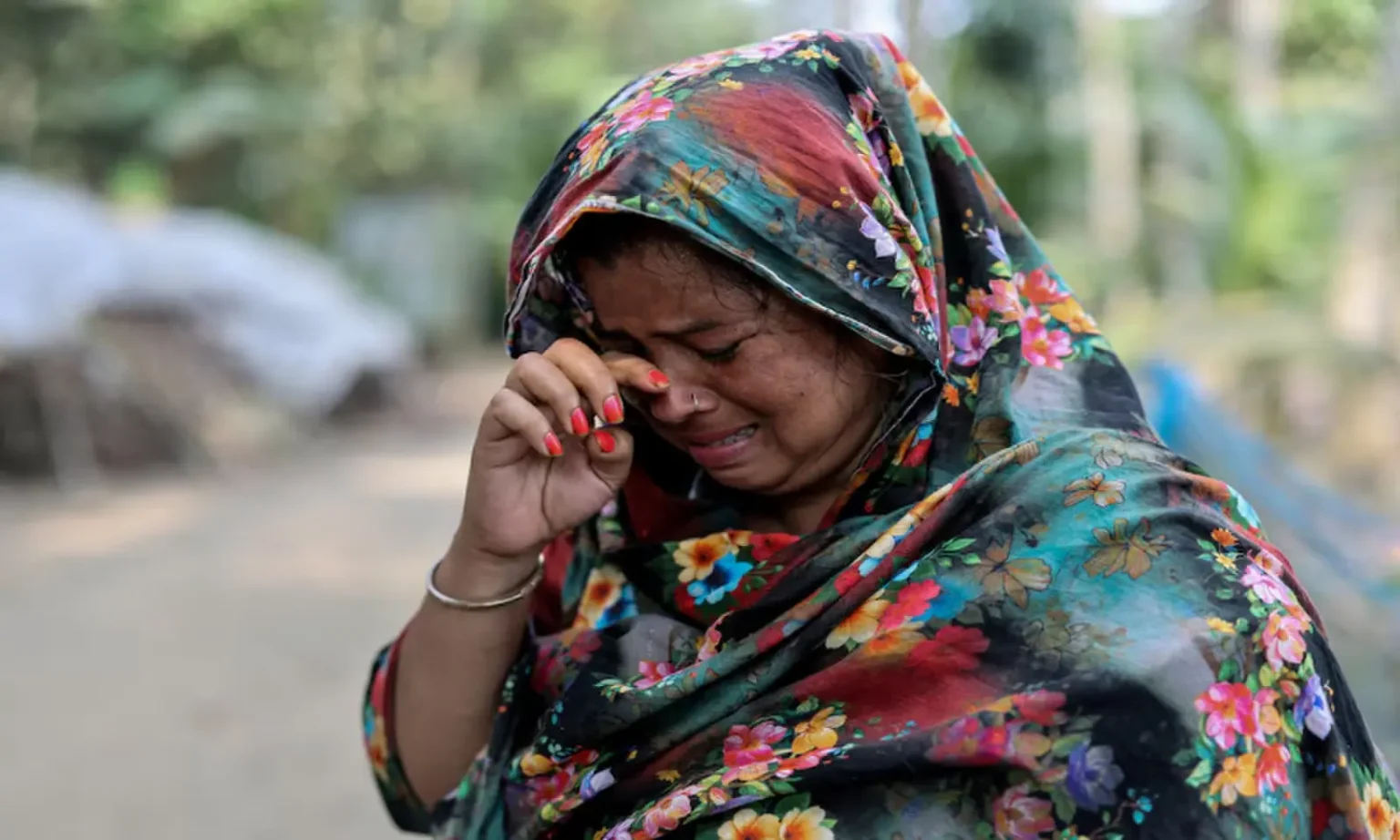
possessing Indian identity and family documents. The report highlights the case of 38-year-old
Mumbai resident Shahida Fakir, who left her home on July 19 to buy vegetables
but has been unable to return to her husband and two sons even after more than
three months. According
to Shahida, plainclothes officials detained her, seized her mobile phone and
subsequently forcibly took her to Bangladesh. She said copies of her identity
documents were also stored on her phone.
Reuters spoke to 10 families whose relatives had
been detained, deported or questioned about their citizenship after their names
were removed from voter lists. These individuals possessed Indian identity or
family documents, while the names of their parents and siblings remained on the
voter lists. According
to the report, the revision of voter lists in India has become linked to a
campaign to identify and deport illegal immigrants, even though removal from a
voter list does not mean that the person concerned is a foreign national. A total of 130 million
names have been removed from voter lists across India, marking the largest
deletion of voter names in the country's history. According to the figures,
Muslims, India's largest minority community, have been disproportionately
affected by the exercise.
The report states that Muslims have faced
discriminatory policies and growing prejudice since Prime Minister Narendra
Modi's Bharatiya Janata Party (BJP) came to power in 2014. However, the BJP
denies allegations that legitimate citizens are being targeted through the
removal of names from voter lists. In West Bengal, approximately nine million
names were deleted during the revision of voter lists. According to
Kolkata-based Sabir Institute, around 70 per cent of the 2.7 million names
removed following further scrutiny belonged to Muslims, even though Muslims
account for 27 per cent of the state's population. Meanwhile, the BJP won the West Bengal
elections and formed a government in the state for the first time. Sabir Ahmed,
founder of the Sabir Institute, said that anti-government sentiment had
existed, but the deletion of names from voter lists had also significantly
influenced the election results.
Voter List Deletions Linked to Deportation
Campaign
On November 5, Indian Home Minister Amit Shah
linked the two processes while addressing a public rally in the state of
Haryana. He said the BJP was
committed to identifying those who had entered India illegally, removing their
names from voter lists and subsequently deporting them from the country one by
one. The exercise has particularly affected Bengali-speaking Muslims in West
Bengal. The issue of citizenship and migration has historical significance in
the state, as the border drawn by the British government during the partition
of India in 1947 divided Bengal into two parts. During partition and later
during Bangladesh's war of independence in 1971, millions of people crossed the
border, resulting in many families settling on both sides.
Legal Battle Over Citizenship
According to Shahida Fakir, she was pushed into
Bangladesh at around 1 a.m. through a section of the border that had no fencing
or security personnel stationed there. She said she walked through muddy
terrain for several hours until a farmer saw her crying and gave her shelter. Mumbai
Police told the court that Shahida had been handed over to the Border Security
Force (BSF) at the Assam border, after which she was sent to Bangladesh through
the relevant authorities. According to court documents, a total of 149 people
were deported during the operation after being declared Bangladeshi nationals. Shahida said she had
never imagined that she would be sent to Bangladesh because her home, ancestors
and entire family background were rooted in India.
Her husband, Juman, is now fighting her
citizenship case in court. A petition filed in the Supreme Court in August
argued that a person's citizenship cannot be determined solely on the basis of
their name being removed from the voter list, nor can a citizen be deported on
the basis of an unverified government claim. According to family records reviewed by
Reuters, the names of Shahida's parents and paternal grandparents had appeared
on the voter lists of the Sarupnagar area of West Bengal since India's first
general elections in 1952. Their names were also included in the 2002–03 voter
lists. During the recent
revision, electoral rolls from that period were treated as an important
reference for determining which individuals could remain on the voter lists
without submitting additional documents. Shahida's name had also appeared on West
Bengal's voter lists since at least 2008. Rejecting the authorities' position, Shahida
said officials had seized her mobile phone and had not given her an opportunity
to show the documents stored on it. Under Indian law, citizens are not required
to carry identity documents with them at all times.
Declared Bangladeshi Solely Because Their Names
Were Missing from Voter Lists
In another petition filed before the Calcutta
High Court, a utensil seller named Nasiruddin Sheikh and four other individuals
argued that they had been detained after their names were removed from voter
lists, even though their appeals against the decision were still pending before
special tribunals. According to Nasiruddin Sheikh, he was working in the state
of Chhattisgarh, hundreds of kilometres away from his home, when police
detained him and 22 other people. He said 19 of them were released after 14 days
when authorities found their names in the revised voter lists. However, Sheikh
and three others remained in detention for 32 days. Sheikh said a police
officer told him: "Your name is not on the voter list, so you are
Bangladeshi." According to him, he and the other detainees were released
the night before a court hearing.
The detention centre had beds for more than 60
people. Prisoners were subjected to medical examinations and biometric
registration before being locked inside. Sheikh said the facility was
effectively a prison and that they were not allowed to leave. Meanwhile, police
and state lawyers told the Calcutta High Court that there were no permanent
detention centers in West Bengal. Reuters journalists also visited a temporary
facility in Murshidabad established for suspected illegal immigrants. Clothes
could be seen hanging inside the building, while people were looking out
through the windows. An ambulance and a police bus with barred windows were
also present inside the compound, while the building was under tight security. Human
rights activist Kirity Roy said millions of cases challenging the removal of
names from voter lists were pending, leaving affected individuals waiting for
justice. However, proceedings before the tribunals have been progressing
slowly.