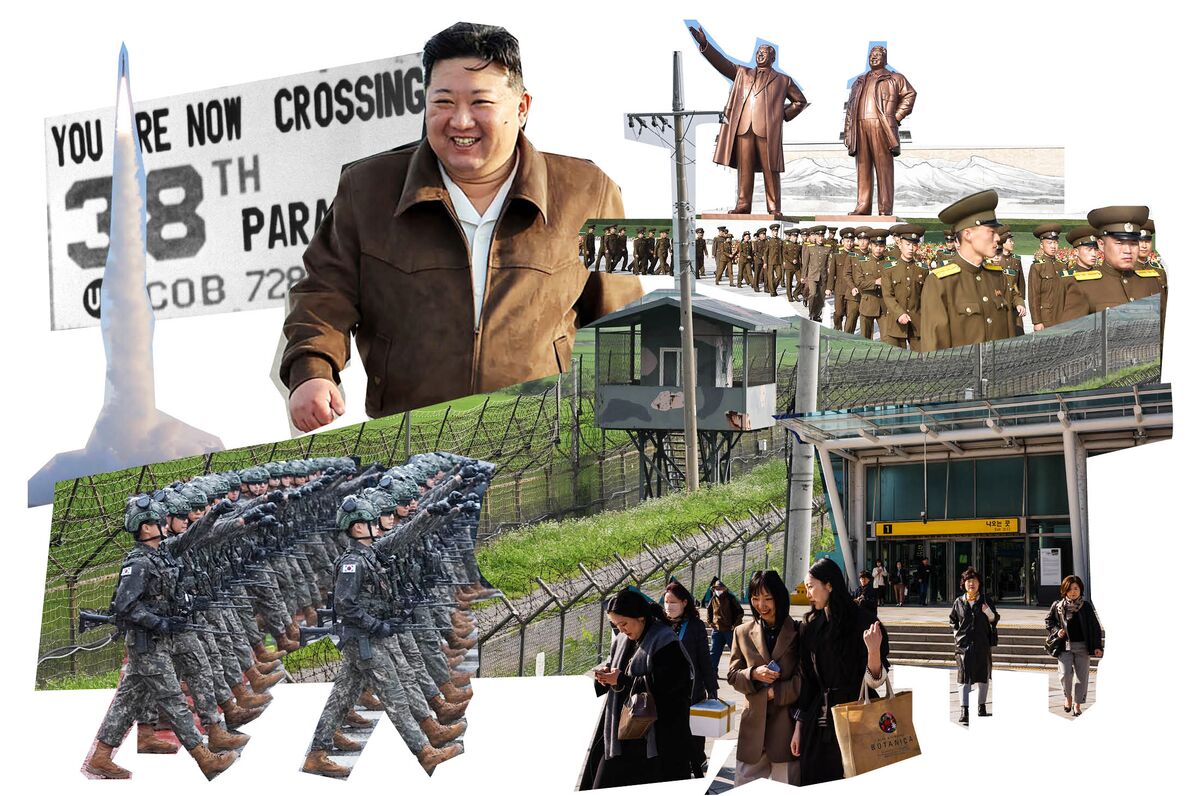
South Korea has warned that North Korea will face
a strong response if it follows through on threats to increase military
activities along the border and takes further provocative actions. North Korea
has signalled its intention to deploy additional troops and tactical weapons
along its border with South Korea, raising tensions on the Korean Peninsula.
Kim Yo Jong, the sister of North Korean leader
Kim Jong Un, said Pyongyang was considering deploying additional tactical
strike capabilities near the border and resuming loudspeaker broadcasts
directed at South Korea. South Korea’s Chairman of the Joint Chiefs of Staff,
General Jin Young-seong, also inspected military readiness at frontline
positions and instructed officials to strengthen operational capabilities in
the Demilitarized Zone (DMZ). He said it was unacceptable for North Korea to
describe South Korea’s defensive measures as provocations and blame the South
Korean military for escalating tensions.
However, the exact number of North Korean troops
stationed along the border has not been officially disclosed. According to
South Korea, North Korea deployed up to approximately 7,000 personnel per day
this year to install landmines, fences and other defensive barriers in the
border region. This figure refers to personnel involved in border construction
and military activities rather than the number of troops permanently stationed
along the frontier.
South Korea has announced a strong response to
North Korea’s threat to deploy additional weapons. According to Seoul,
approximately 50 incidents have also been reported this year in which North
Korean personnel crossed the Military Demarcation Line. The developments come
amid rising tensions between the two countries in the DMZ. South Korea says
North Korea has accelerated the installation of landmines and the construction
of defensive barriers near the border, while Pyongyang accuses Seoul of
provocation. Experts have warned that escalating tensions between the two
countries could increase the risk of a military confrontation. They caution
that warning shots could be mistaken for an attack, potentially triggering
retaliatory action.