Afghanistan’s food crisis has intensified due to
the Taliban regime’s misguided policies and incompetence, with 15.9 million
people facing severe food insecurity and more than four million children at
risk of malnutrition in 2027. Citing relevant United Nations agencies, an
Afghan news agency reported that food shortages and the nutrition crisis in
Afghanistan are continuing to worsen. According
to UNICEF, nearly 32 per cent of Afghanistan’s population faced severe food
shortages during September and October 2026. Between August and October, the
rate of acute malnutrition among children, characterized by physical weakness
and significant weight loss, reached its highest recorded level for this
period.
UNICEF has warned that the crisis could
deteriorate further during the winter months. According to the agency’s
estimates, approximately 4.04 million children aged between six and 59 months
will require treatment for malnutrition between January and December 2027. Following the Taliban regime’s takeover of
Afghanistan, foreign assistance to the country declined significantly, further
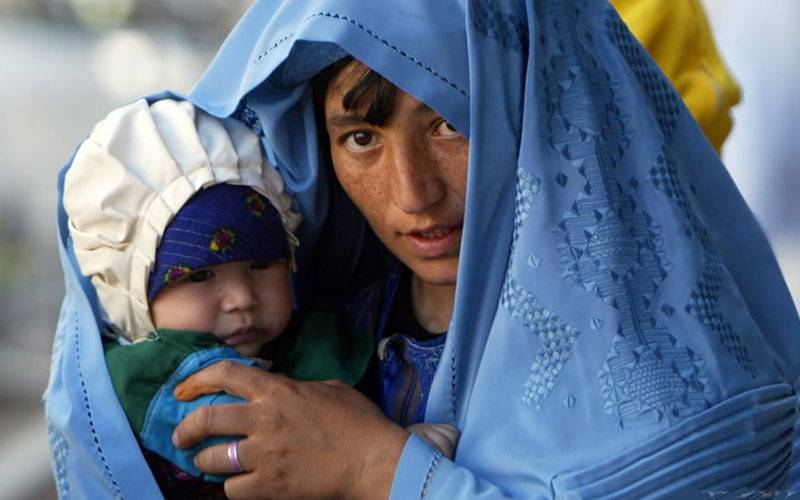
aggravating the humanitarian crisis. Women and children in particular face
additional difficulties accessing medical treatment and healthcare facilities.
They are now also struggling to obtain adequate food. Women and girls are among
those most severely affected by food shortages and malnutrition.
According to the Afghan news agency, the return
of large numbers of refugees has also placed additional pressure on
Afghanistan’s already limited resources. The closure of healthcare facilities
and shortages of medicines are further worsening the situation. A shortage of
female medical professionals to treat women has emerged as a major challenge in
Afghanistan, as the Afghan Taliban regime imposes severe penalties on women for
seeking treatment from male doctors. According to the World Food Program (WFP),
despite improved rainfall conditions and increased agricultural production in
2026, many families in Afghanistan still cannot afford adequate and nutritious
food. Continued reductions in funding for humanitarian assistance are making it
increasingly difficult to meet the growing needs of the population.