The United Nations Children's Fund (UNICEF) has
called on the warring parties in Yemen to ensure the protection of children, as
clashes since September have left 64 children dead and dozens more injured.
UNICEF has warned that continued fighting could lead to a further increase in
child casualties, with the situation particularly concerning in densely
populated areas of Taiz and Lahj. UNICEF Executive Director Catherine Russell
said the number of children killed and injured in Yemen was rising at an
alarming rate. "This must stop now," she said. The agency reported that recent fighting had
also directly damaged essential facilities and infrastructure serving
children's needs. At least seven educational institutions, including five
schools supported by UNICEF, and 28 health facilities have sustained damage
during the clashes. On November 2, an
attack on a UNICEF-supported health centre in Lahj reportedly killed five
people, including three health workers.
Shortages of Food and Fuel
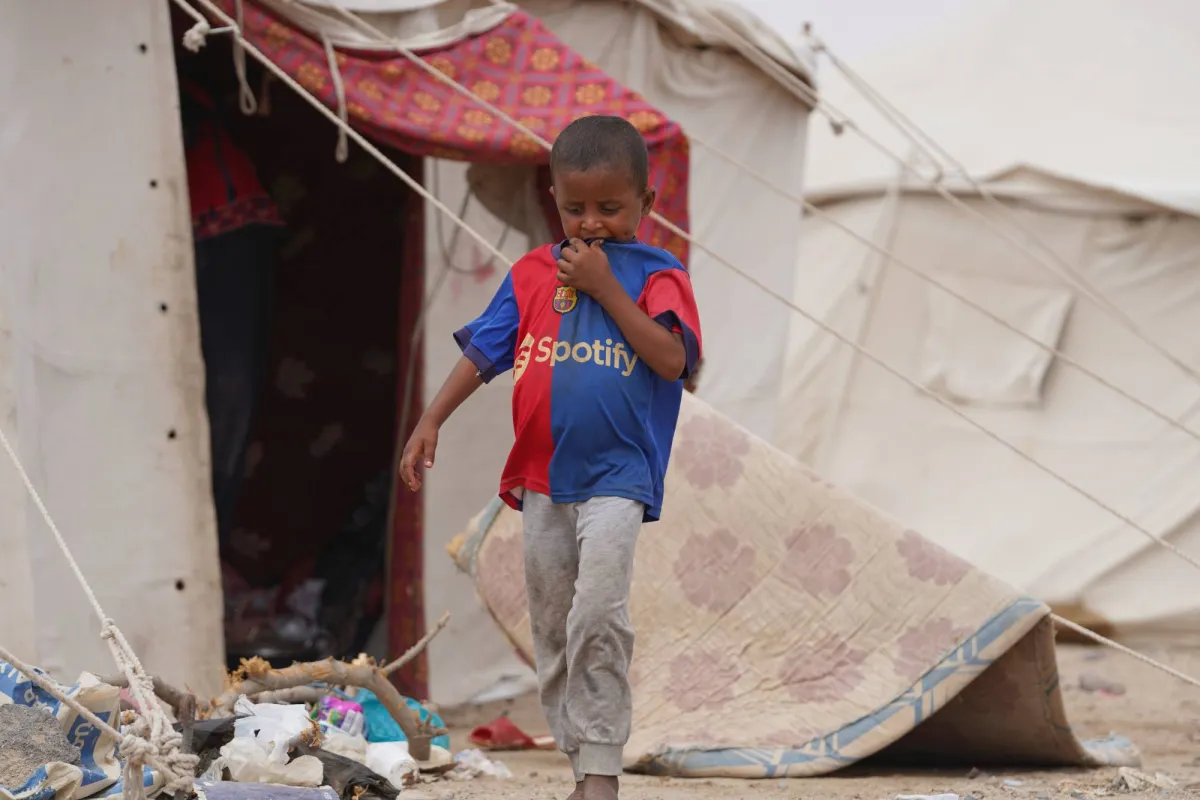
More than 330,000 people have been displaced in
conflict-affected areas, including 174,000 children. Most of these families
have been forced to seek shelter in incomplete or damaged buildings and are
struggling to access food, clean drinking water and healthcare services. UNICEF expressed particular concern over the
situation in Taiz city, where more than 800,000 people have been cut off from
humanitarian assistance due to the closure of the main highway connecting the
city to Aden. Aden is the seat of Yemen's internationally recognized
government. Alternative routes are also unsafe. According to reports, Houthi
fighters have advanced to within just 60 kilometers of Aden. Water production
in Taiz has fallen by nearly half, while food and fuel prices have more than
doubled. Shortages of medicines, fuel, medical oxygen and electricity have also
placed emergency medical services, maternity care and newborn healthcare
systems under severe strain.
Education of 500,000 Students Disrupted
According to UNICEF, more than 1,160 schools in
conflict-affected areas have been closed or forced to suspend educational
activities, disrupting the education of over 500,000 students. Medical examinations conducted by the
agency's mobile teams have revealed that approximately one in every three
children is suffering from severe malnutrition.
Catherine Russell said Yemen's children had already endured immense
suffering and urgently needed safe and unhindered humanitarian assistance. She
stressed that their protection must be ensured under all circumstances,
including access to healthcare, education, clean drinking water and food.
Expansion of Humanitarian Operations
In response to the worsening crisis, UNICEF has
decided to expand its emergency relief operations, aiming to reach 350,000
people with assistance. To achieve this
target, mobile teams are being redeployed to provide healthcare and nutrition
services in displacement settlements and affected communities in Aden, Lahj,
Abyan, Marib and Taiz. UNICEF is also
urgently expanding the provision of water and sanitation services. In addition,
the agency is providing children with psychosocial support and social
protection services, including care and protection for children who have been
separated from their parents or guardians.