The ongoing tensions
involving Iran and the wider region have triggered a serious economic crisis in
the energy sector across the European Union, with Europe facing an additional
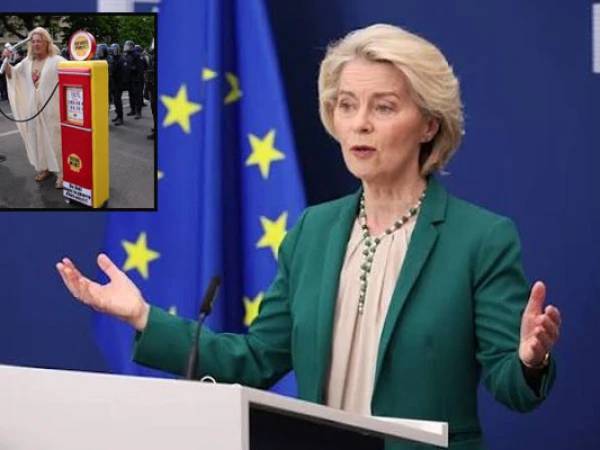
burden of €100 billion solely because of rising energy prices. European
Commissioner for Energy Dan Jørgensen expressed concern over the situation,
saying that despite paying this huge additional amount, Europe had not received
a single extra unit of oil or gas. Instead, the entire additional cost had
resulted from pressure caused by soaring energy prices.
The main cause of the global
energy crisis is the tense situation in the Strait of Hormuz, which is
considered a key route for the global trade of oil and liquefied natural gas
(LNG). Iranian influence over the strategically important waterway has
disrupted the transportation of oil. Rising energy prices have directly pushed
up diesel and gasoline prices across Europe, severely affecting not only the
transport and industrial sectors but also placing significant pressure on
household budgets. European countries such as Germany have been forced to take
emergency measures to reduce the financial impact. The German government has
decided to temporarily cut taxes on gasoline and diesel from October through
December, while other European countries are also considering subsidies.
The crisis has affected not
only road transportation but also the aviation industry. Major German airline
Lufthansa has warned that rising jet fuel prices could push its additional
annual costs well above €1.5 billion. The United States has also not been
spared from the global crisis, with Americans having to spend billions of
dollars more on gasoline and diesel compared with last year. The ongoing tensions
involving Iran have now emerged as a major challenge for the global economy and
efforts to contain inflation.