Bangladesh has rejected an application by
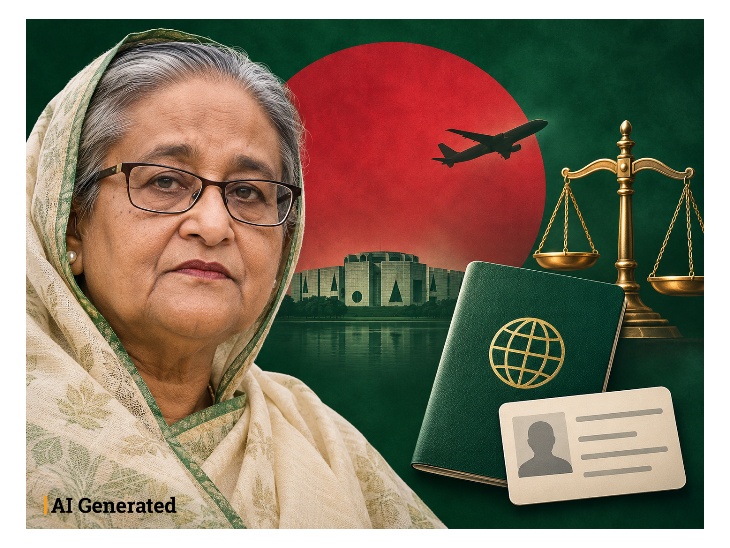
ousted Prime Minister Sheikh Hasina Wajed for a passport and travel documents
to facilitate her return to the country. According to Reuters, the
former prime minister, who is living in exile in India, applied on Monday for a
new passport and national identity card to enable her to return to Bangladesh.
This was her first formal contact with the Bangladeshi authorities since
leaving the country in 2024. The Bangladeshi government rejected her
application, stating that the country does not issue passports to terrorists.
Speaking to reporters, State Minister for Foreign Affairs Humayun Kabir
described Hasina as a fugitive criminal and said that Bangladesh and India have
a formal extradition treaty. He added that Dhaka wanted New Delhi to hand her
over to Bangladesh. “Should we treat her like an ordinary tourist who can
simply come and stay at her in-laws’ house?” he asked.
Hasina has expressed her intention to return to
Bangladesh for the first time in more than two years. Meanwhile, the government
has already banned her party, the Awami League. Speaking to Reuters, the ousted
prime minister said she wanted to return to Bangladesh to appear before a court
and submit herself to the law. It is worth noting that in November last year,
Bangladesh’s war crimes tribunal sentenced Hasina to death in absentia for
allegedly ordering a deadly crackdown on protesters during the student-led
uprising. However, she has continued to reject the allegations against her
while living in exile.
Legal Application for a Passport and National Identity Card
Lawyers representing Sheikh Hasina from the
London-based legal institution Matrix Chambers wrote a letter to Priti Rahman,
Acting High Commissioner at the Bangladesh Embassy in New Delhi, requesting the
issuance of a new passport and national identity card. The letter stated that
there were reports that the interim government and other authorities had
revoked Sheikh Hasina’s previous Bangladeshi passport and national identity
card. It therefore called for the necessary steps to be taken to issue new
travel documents and an identity card to their client. The lawyers also
requested that the application be processed promptly, taking into account
Sheikh Hasina’s Bangladeshi citizenship and the rights she is entitled to under
international human rights treaties.
In April this year, India’s Ministry of External
Affairs said it was reviewing Bangladesh’s request for Sheikh Hasina’s
extradition. It also expressed India’s desire to maintain constructive
engagement with the new government and further strengthen bilateral relations.
Sheikh Hasina’s party, the Awami League, was Bangladesh’s largest political
party before she was removed from power. However, the party was subsequently
banned. Since then, several of its leaders have been imprisoned, while many
others have gone into exile in India or other countries. It is worth noting
that Sheikh Hasina served as Bangladesh’s prime minister for a total of 20
years across different terms and continues to enjoy support among certain
sections of the population. The former prime minister faces several
allegations, including corruption and the killing of protesters. The issue of
her return to Bangladesh and the legal proceedings against her has become a significant
diplomatic matter between Bangladesh and India.