The
United Nations has warned that child marriage, malnutrition and limited access
to healthcare in war-torn Yemen are posing serious threats to the lives of
pregnant women and young girls. According to UN News, the United Nations
Population Fund (UNFPA) says around 1.3 million pregnant and breastfeeding
women in Yemen are suffering from malnutrition, while around 100,000 women have
been displaced from their homes, further increasing the risk of complications
during childbirth.
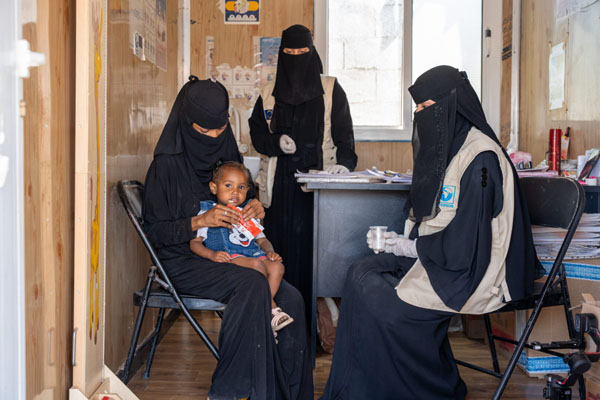
Reham
Hazbar, a counsellor at a UNFPA-supported safe space in Al Hudaydah, said there
has been a significant rise in cases of malnutrition among pregnant girls,
particularly those who were married at a young age. Many girls arrive at health
facilities underweight, anaemic and severely fatigued, with their bodies not
fully prepared to meet the demands of pregnancy.
Yemen
is facing one of the world’s most severe humanitarian crises. This year, more
than 22 million people are in need of urgent humanitarian assistance, more than
half of them women and girls. Less than two-thirds of the country’s health
facilities are fully operational, and only about one-fifth provide maternal and
child health services.
Health
workers say many women cannot afford transportation costs, medicines and
nutritional supplements, while social restrictions also prevent some girls from
seeking timely medical care. In many areas, there is also a shortage of medical
staff and adequate healthcare facilities. According to the United Nations,
nearly one-third of girls in Yemen are married during childhood, while the rate
is even higher among displaced families.
More
than half of the population faces severe food insecurity, contributing to rising
rates of severe anemia and vitamin deficiencies among women and girls. The
report says fewer than half of women in Yemen give birth at health facilities,
while around 30 percent receive no medical care during pregnancy. Malnutrition
and inadequate access to healthcare are contributing to increased cases of
premature births, dangerous bleeding, low birth weight and insufficient breast
milk production. The report also
highlights the case of 19-year-old Dunia Adel, who is eight months pregnant and
already the mother of a two-year-old daughter. As a child, Dunia dreamed of
going to school and becoming a teacher. However, poverty forced her to drop out
of school at the age of eight, and she was married at 15.
Dunia
said she experienced both happiness and fear during her pregnancy because she
still considered herself a child, and taking on the responsibility of
motherhood at such a young age was extremely difficult for her. Suffering from
malnutrition, she is weak and exhausted and often goes to bed hungry after
feeding her daughter. Safe spaces supported by UNFPA are providing affected
women with medical counseling, referrals for treatment and other forms of
assistance.