South
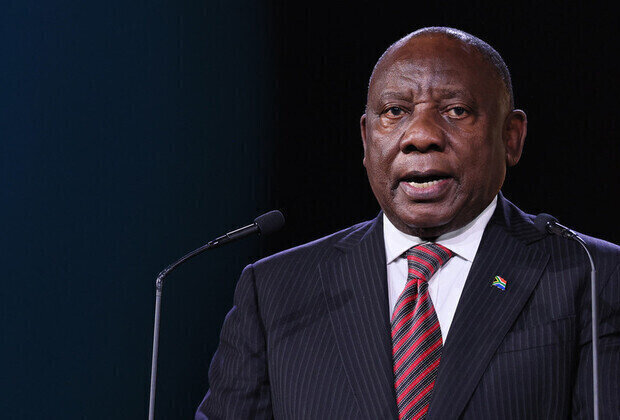
African President Cyril Ramaphosa has said that South Africa will continue
dialogue with the United States despite new visa restrictions imposed by
Washington, adding that Pretoria will protect its sovereignty and dignity
during the negotiations. U.S. Secretary of State Marco Rubio announced
targeted restrictions last week against foreign individuals whom Washington
considers responsible for or supportive of policies involving the uncompensated
seizure of land, racial discrimination and incitement of violence against
minority groups in South Africa. No individuals were named when the policy was
announced. Ramaphosa
spoke to reporters on Monday on the sidelines of a fundraising golf event
organized by the ANC Veterans League at the Johannesburg Country Club. He said
the government had taken note of the restrictions but remained prepared to
continue talks with Washington.
“We
are ready and willing to continue engaging with the United States in exactly
the same way as we engage with all other countries around the world,” he said. Ramaphosa
further said that wherever difficulties arise, South Africa would engage with
other countries while maintaining its dignity and sovereignty, without “bowing
down,” and would treat other nations with respect while expecting the same
respect in return. The
president said the United States remains an important market for South Africa
and that both countries need products from each other. He said South Africa and
the United States had been discussing trade and tariff issues for some time.
The
United States had also risen what it called “five issues,” several of which
South Africa has already responded to. Asked what had happened to the negotiations
following the latest announcement, Ramaphosa said he could not explain what had
prompted the move. “I
really don’t know what happened. Only they can explain what actually happened,”
he said. Ramaphosa said South
Africa remained willing to negotiate with the United States to resolve
difficulties in bilateral relations. “We trade with the United States, and
there are certain goods that they need from us and that we need from them,” he
said. “That creates a situation of balance, and when we engage with each other
as states that respect one another, a solution will emerge.”