Europe is currently facing an unusual situation.
People have taken to the streets in several countries, and in some places, peaceful
demonstrations have turned violent. France has been among the hardest-hit
countries. The unrest in France began in late September. Initially, high school
students raised their voices against poor school conditions, teacher shortages,
and inadequate facilities. However, the protests soon expanded to include
rising inflation, increasing prices, inequality, and deteriorating public
services.
On October 17, between 500,000 and 800,000 people
took to the streets across the country. Clashes erupted in Paris and several
other cities, buildings were set on fire, shops were looted, and violent
confrontations broke out with police. The historic town hall in Limoges was
engulfed in flames. According to the government, more than 2,000 people were
arrested, while hundreds of police officers were injured. President Emmanuel
Macron addressed the nation, strongly condemning the violence and drawing a
distinction between legitimate public grievances and those responsible for
violent acts.
The unrest has not been confined to
France.
In Portugal, people are increasingly frustrated
by the housing crisis. Home prices have more than doubled over the past few
years, rents have soared, and wages have failed to keep pace. Thousands marched
in Lisbon and set up tents in the city center to protest against the situation.
In Italy, demonstrations against rising prices took place in several cities,
including Milan. The protests were initially peaceful, but masked groups later
threw stones and set fires, prompting police to use tear gas and water cannons.
In Belgium, students protested in Brussels and
Liège against rising education costs and reforms that they say are making
higher education increasingly difficult to access. The situation is even more
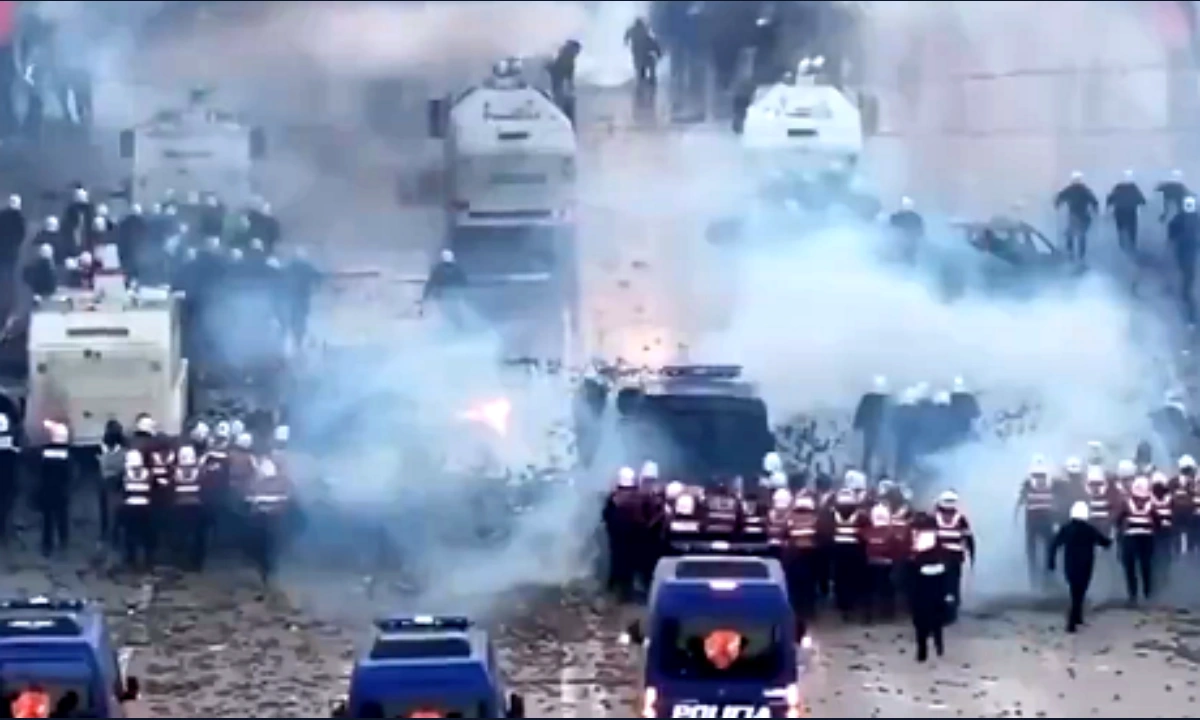
intense in Albania. Students have demanded the resignation of Prime Minister
Edi Rama, citing deteriorating university conditions, high tuition fees,
unemployment, and corruption. Clashes have continued for several days in
Tirana, damaging buildings and prompting police to use rubber bullets. In
Spain, the housing crisis has emerged as the most pressing issue. In September,
an elderly woman was evicted from her home after her rent was tripled. The
incident fuelled public anger, prompting protesters to establish a tent camp in
Madrid. Following the rejection of the government's housing measures in
parliament, an early election was announced for November.
The underlying causes of these protests are
largely the same: inflation, a lack of affordable housing, poor educational
conditions, and a widespread feeling that governments are not taking people's
hardships seriously. Frustration among young people is particularly evident.
Across Europe, governments are increasingly confronting public anger that
reflects the depth of the economic pressures facing ordinary citizens. The
situation remains fluid, and the coming days will reveal how governments
respond to these demands.