Washington: The U.S. military
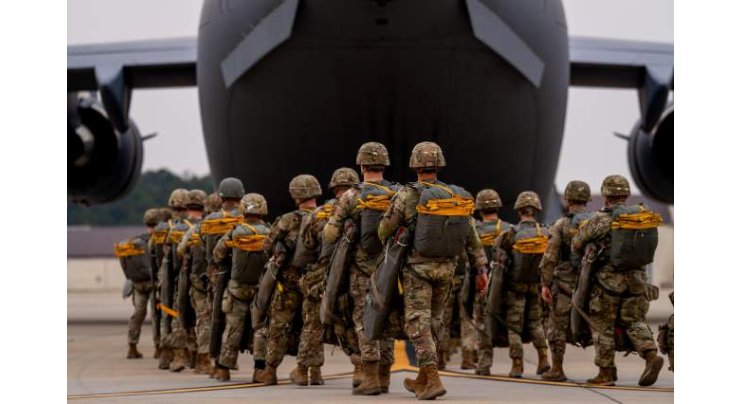
has quietly begun withdrawing personnel from military bases across the Middle
East, while Washington is also ordering staff at several diplomatic missions in
the region to leave, according to a report by U.S. broadcaster NBC News. The
report, published on Wednesday, cited two U.S. officials and two people
familiar with the matter.
According to the report, these measures are being
taken as President Donald Trump considers launching a new wave of attacks
against Iran. The preparations resemble arrangements made by the Pentagon and
the State Department before the initial U.S.-Israeli strikes in February.
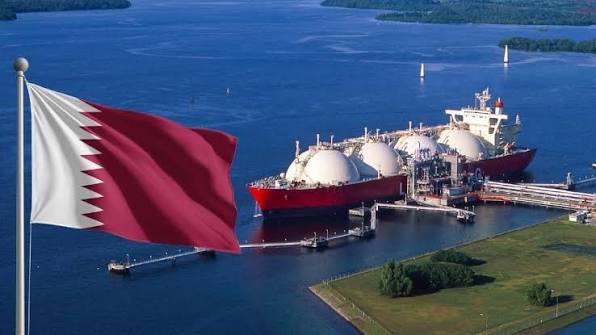
Personnel are being relocated from bases in Jordan, Qatar and Kuwait.
Washington reportedly intends to maintain a limited presence at its regional
bases, including personnel responsible for air defence and security.
Before the February 28 strikes, the Pentagon had
withdrawn large numbers of troops from potentially vulnerable bases to protect
them against possible Iranian retaliation. At the time, Tehran accused
Washington of using people in Gulf countries as “human shields,” after
thousands of U.S. personnel took shelter in civilian hotels and office
buildings. U.S. Central Command spokesperson Timothy Hawkins declined to
comment on the troop movements, saying that American forces are routinely
repositioned to improve “mission readiness” and remain prepared to defend U.S.
personnel and interests.
The State Department has also ordered
non-essential personnel and their family members to leave Saudi Arabia, citing
an increase in attacks by Yemen’s Houthi movement targeting civilian airports
and other critical infrastructure. Reuters reported, citing U.S. officials,
that Washington was preparing for further diplomatic evacuations across the
Gulf. However, State Department spokesperson Tommy Pigott described reports of
additional evacuations as “false.”
According to NBC News, senior U.S. military
officials have presented Trump with options for new attacks against Iran. These
include strikes on Iranian nuclear facilities, underground installations and
strategically important islands. The islands under consideration reportedly
include Kharg Island, a major hub for Iran’s oil exports, and Qeshm Island in
the Strait of Hormuz.
The report said some of Trump’s advisers,
including Secretary of War Pete Hegseth, support resuming military operations
to increase pressure on Tehran. Others have warned against launching another
major campaign without a clearly defined objective. Hegseth made an unannounced
visit to Israel on Monday and held closed-door talks with Prime Minister
Benjamin Netanyahu. The meeting took place just days before Israel’s October 27
parliamentary elections. Netanyahu is seeking another term despite mounting
criticism over his handling of the wars in Gaza and Iran, while Trump has expressed
support for his re-election bid.
Earlier this month, Trump pledged that the United
States would not attack Iran before the November 3 midterm elections. However,
he has maintained that military force remains an option if diplomatic efforts
fail. Netanyahu has also not ruled out new strikes before Israel’s elections,
declaring on Sunday that Israel was prepared to attack Iran even without U.S.
participation.
The U.S.-Israeli war against Iran, which began on
February 28, has entered its eighth month, disrupting global energy markets and
shipping through the Strait of Hormuz. Tehran has offered to restore normal
maritime traffic through the strategic waterway within seven days if Washington
lifts its naval blockade, eases oil-related sanctions and agrees to a broader
ceasefire. Trump has rejected the Iranian proposal as “unacceptable,” while his
administration continues to consider whether additional military pressure could
compel Tehran to accept Washington’s terms.