The International News MagazineTOKYO-SEOUL-MANILA-HK
Japan inaugurates coastal offshore renewable energy research hub off Tohoku maritime zone — Weekly Newstime
Environment · Japan
Japan inaugurates coastal offshore renewable energy research hub off Tohoku maritime zone
A flagship clean-energy facility off the Fukushima coastline combines floating offshore wind turbines, marine energy storage, and resilient grid research.
Japan’s Ministry of Economy, Trade and Industry (METI), alongside a prestigious consortium of academic research institutions and international clean-tech energy developers, has officially launched a flagship coastal renewable energy research hub off the Tohoku maritime zone. Situated 15 kilometers off the Fukushima coastline, the state-of-the-art offshore complex is engineered to accelerate the commercial scale deployment of floating wind turbines and advanced grid energy storage solutions across the Asia-Pacific region, marking a vital milestone in national energy independence. Clean energy experts emphasize that offshore floating installations will play a fundamental role in meeting East Asia's expanding electricity demands in a sustainable manner.
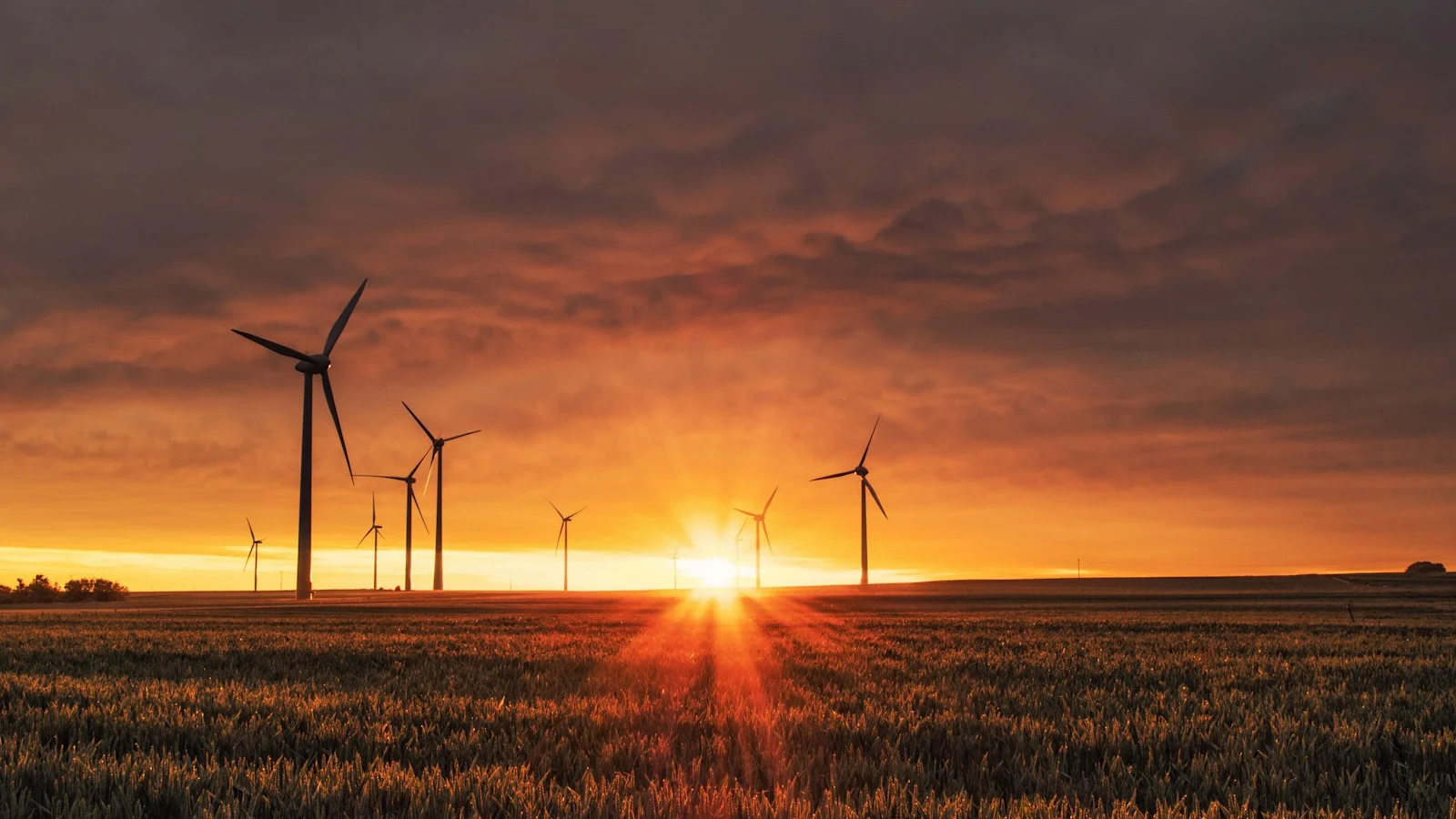
The newly constructed offshore facility features three next-generation 15-megawatt floating wind turbines anchored in open maritime waters exceeding 100 meters in depth. Unlike conventional fixed-bottom offshore wind installations, these floating platforms utilize semi-submersible steel hulls engineered to withstand severe typhoons, rogue ocean waves, and intense seismic activity common to the active Pacific Rim. Advanced gyroscopic sensors continuously balance the structure during turbulent sea states, maintaining optimal blade rotation pitch angles even under high gale-force winds without structural stress.
Offshore floating turbine design and high-voltage grid integration
Engineers at the maritime station emphasized that the hub will serve as an open-access international testing environment for marine power technologies. High-voltage direct current (HVDC) subsea cables transmit generated electricity directly to an onshore utility storage facility equipped with 200 megawatt-hours of utility-scale lithium-iron-phosphate energy storage cells designed to stabilize grid frequency. The facility provides reliable baseload power to thousands of regional households, proving that marine energy can integrate smoothly into existing municipal electrical grids.
Energy sector analysts highlight that floating offshore wind represents Japan’s most viable technical path toward achieving net-zero carbon emissions by 2050. Given Japan’s deep coastal waters and limited terrestrial availability for solar installations, ocean wind energy offers vast, unexploited power generation capacity along the nation's eastern sea boundaries. The total technical wind potential off Japan's coast is estimated at over 128 gigawatts, which exceeds the nation's total peak winter electricity demand by a wide margin.
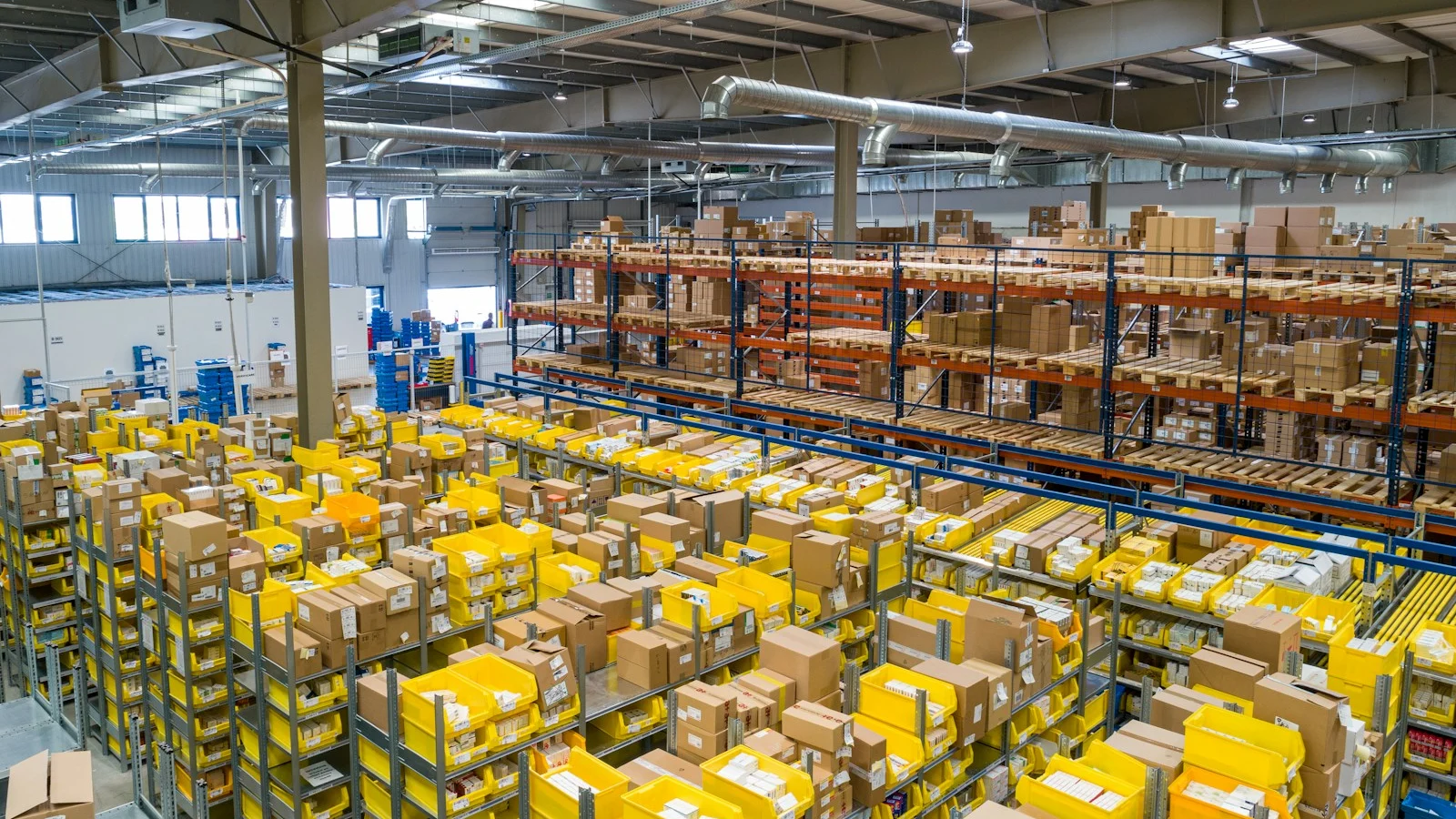
High-capacity lithium-iron energy storage units buffer variable generation from solar and coastal wind arrays.
Subsea power cable resilience and utility-scale energy storage testing
In addition to wind generation, the facility incorporates specialized marine corrosion laboratories. Materials scientists are analyzing synthetic protective coatings, biofouling mitigation treatments, and high-tensile synthetic mooring lines designed to extend the operational lifespan of offshore marine hardware from 20 to 30 years under harsh saltwater conditions. Preventing biofouling reduces drag and structural stress on subsea anchor chains, cutting routine maintenance costs for offshore operators over long deployment cycles.
Environmental impact assessments conducted over a two-year baseline period indicate minimal disruption to local marine ecosystems. Researchers installed underwater acoustic hydrophones and optical fish sensors around the floating hulls, finding that the artificial steel structures quickly acted as protective reef habitats for indigenous fish species and marine invertebrates, boosting localized fish populations and providing unexpected ecological benefits to coastal waters across the region.
Local fishing cooperatives in Fukushima prefecture were actively involved throughout the initial planning and site installation phases. Energy developers established a shared revenue fund that directly supports local harbour infrastructure upgrades, sustainable aquaculture projects, and coastal marine ecosystem monitoring initiatives. This collaborative community revenue model has earned widespread praise from regional civic leaders and serves as a template for future offshore energy projects nationwide.
National decarbonization policy and regional clean-energy economic revival
Power grid operators are utilizing the hub to test AI-driven predictive software capable of forecasting wind velocity fluctuations 48 hours in advance. By pairing predictive weather algorithms with automated battery discharge cycles, grid engineers successfully eliminated power frequency instability during heavy spring coastal storms. Automated power routing prevents regional grid trips during peak wind gusts, guaranteeing steady power supplies to surrounding regional factories and municipal facilities.
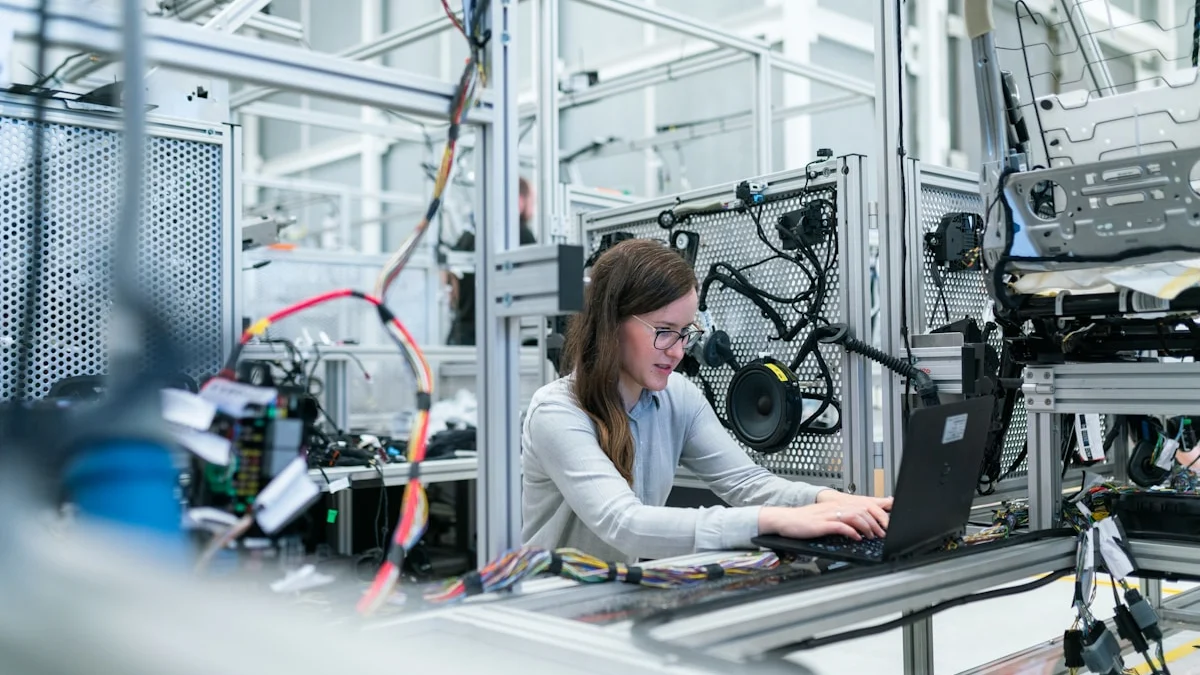
Research scientists test marine corrosion coatings and smart subsea cable monitoring sensors.
The project has drawn substantial international attention from European and North American offshore energy developers. Technical delegations from Scotland, Denmark, and the United States have visited the facility to inspect floating substructure manufacturing techniques and ocean cable maintenance protocols. International standards developed at Fukushima are being submitted to global energy standardization bodies to guide future deep-water offshore installations worldwide.
As global energy markets accelerate decarbonization, Japan's coastal research hub stands as a critical pillar of energy security and technological innovation. Government officials anticipate that commercial scale-up will generate over 12,000 skilled clean-energy engineering jobs across the Tohoku region over the coming decade, transforming Fukushima into a global beacon of sustainable energy transition, economic renewal, and technological resilience.