The International News MagazineTOKYO-SEOUL-MANILA-HK
Regional schools in Northern Japan launch shared digital learning platform to bridge rural educational gaps — Weekly Newstime
Culture · Japan
Regional schools in Northern Japan launch shared digital learning platform to bridge rural educational gaps
Schools across Iwate, Miyagi, and Aomori prefectures pool specialized teaching staff and interactive digital classrooms to maintain high educational standards.
Prefectural boards of education across Iwate, Miyagi, and Aomori have officially launched a coordinated regional digital learning program designed to sustain rich academic diversity in sparsely populated rural communities. The collaborative network enables small primary and secondary schools to share specialized subject teachers, high-level foreign language instruction, and advanced STEM seminars via a unified digital interactive infrastructure, establishing a new national model for equitable public education across Japan's provincial territories.
Faced with persistent demographic decline and shrinking youth populations in remote mountain towns, individual municipal school boards previously struggled to employ full-time specialists in advanced physics, foreign languages, and computer programming. Under the new shared framework, a single expert instructor based in Morioka can lead an interactive seminar for students seated in five separate classrooms across the region simultaneously, ensuring no child is left behind due to geographical isolation.
Cross-prefectural digital platform and specialized curriculum design
Each participating classroom has been retrofitted with high-definition multi-screen displays, ceiling-mounted directional microphone arrays, and ultra-low-latency optical fiber network connections. Students interact seamlessly with remote instructors and distant peers in real time using cloud-connected digital tablet devices. Audio-visual arrays automatically track active speakers so remote teachers can pick up subtle classroom reactions and ensure every student remains fully engaged throughout the lesson.
Ministry of Education representatives emphasized that the initiative goes far beyond conventional one-way video lectures. The platform incorporates collaborative digital whiteboards, joint group work break-out rooms, and peer-review writing tools that allow students from different prefectures to work on shared assignments, fostering deep interpersonal friendships across prefectural borders and introducing children to diverse peer perspectives early in their academic journeys.
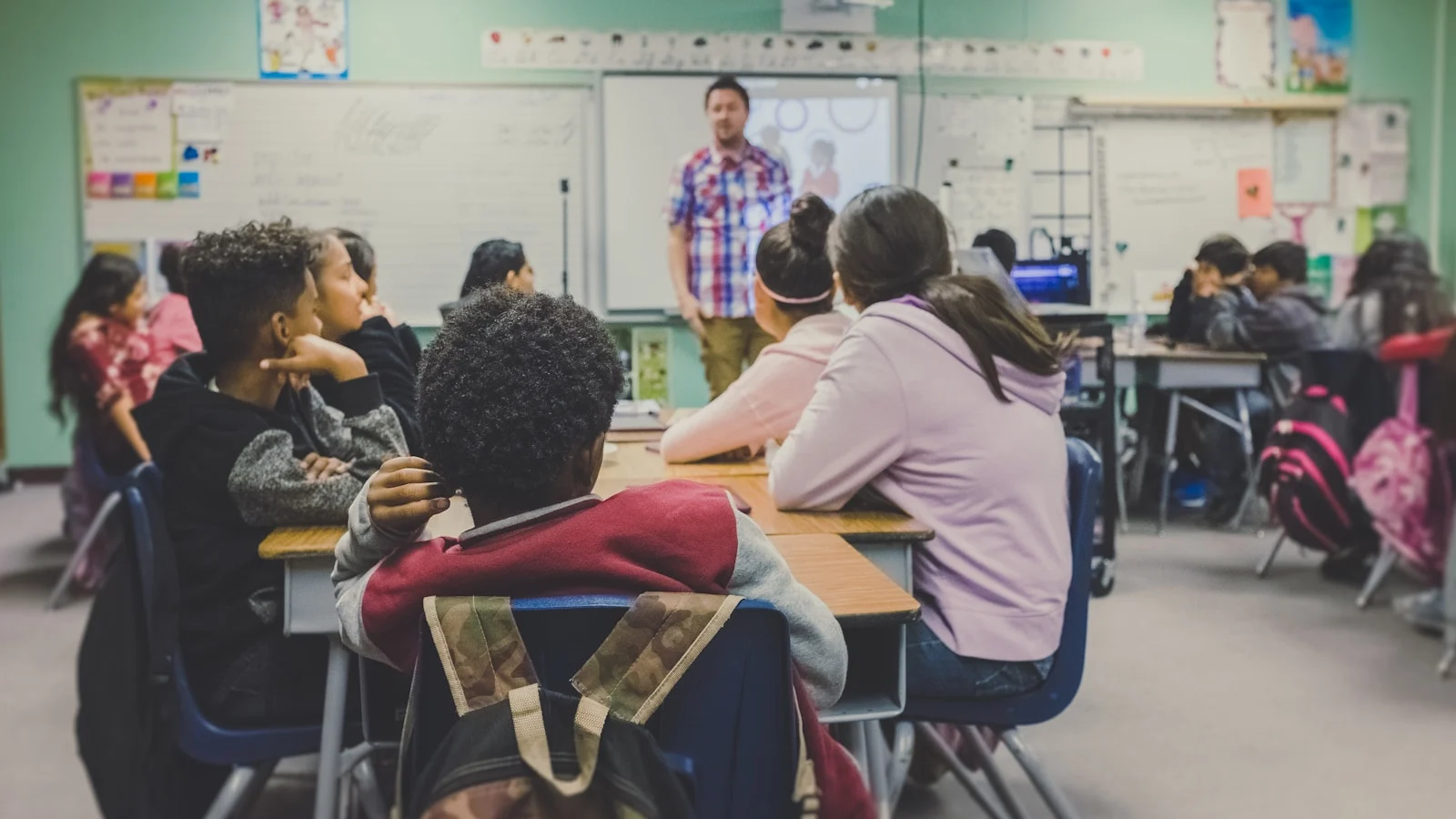
A advanced mathematics specialist conducts a combined interactive seminar for four rural schools.
Classroom interaction dynamics and inter-school student collaboration
School principals report that cross-school collaboration has transformed classroom dynamics. Children in small single-grade classes of four or five pupils now participate in lively group discussions with dozens of peers, boosting social confidence and exposing them to diverse perspectives. Teachers observed that students are significantly more expressive and eager to present their ideas, breaking away from historical classroom hesitancy.
To ensure educational equality, prefectural authorities supplied standardized digital tablet hardware and subsidized high-speed home internet routers for families residing in isolated rural valleys. Special training workshops were also conducted for local teaching assistants who supervise physical classrooms during remote expert broadcasts, ensuring smooth classroom management and immediate technical support whenever required.
Specialized subject offerings have expanded significantly during the program's initial term. Course catalogs now feature conversational English with native speakers, robotics programming, environmental science field data tracking, and traditional regional art preservation tutorials. Rural students now gain access to specialized electives previously exclusive to elite urban academies in central Tokyo or Sendai.
Addressing rural demographic challenges and future national policy roadmap
Preliminary academic performance evaluations conducted six months after implementation showed marked improvements. Students participating in the digital exchange scored 18 percent higher on standardized problem-solving assessments compared to historical regional baselines. Attendance rates across rural participating schools also reached an all-time high of 98 percent, reflecting heightened student motivation and enthusiasm for learning.
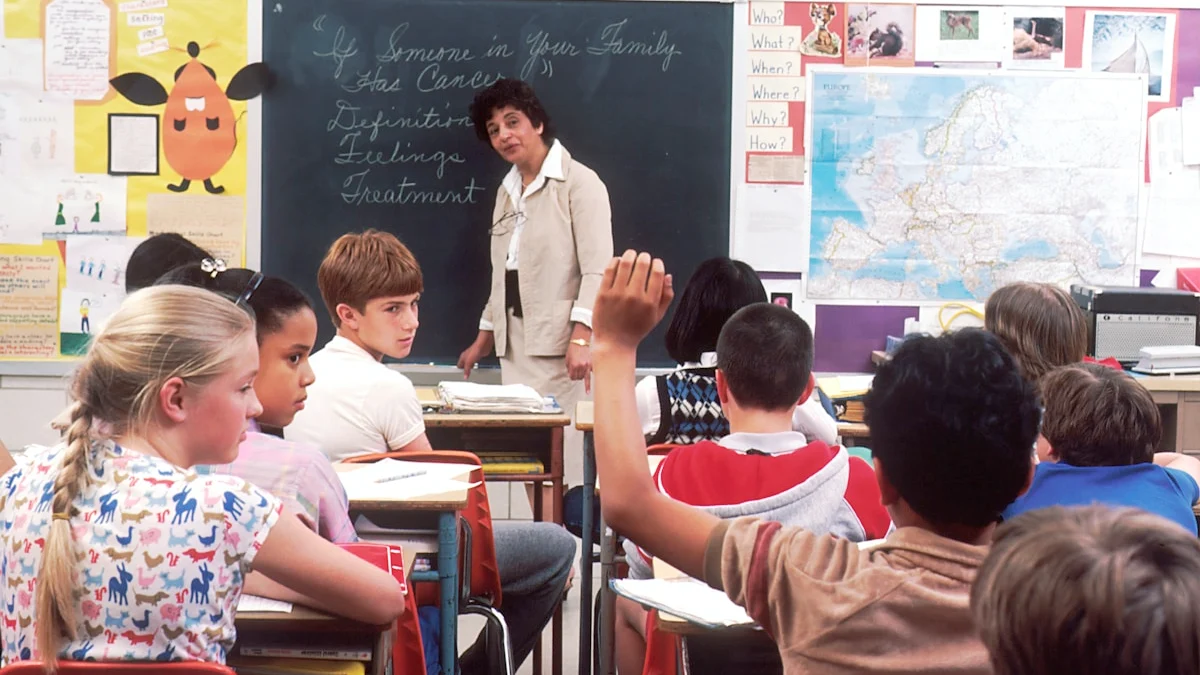
Shared cloud workspaces allow regional students to collaborate on environmental research projects.
Parent-teacher associations have voiced strong support for the program. Local community leaders noted that high-quality digital schooling reduces the financial pressure on families to relocate to major metropolitan areas like Sendai or Tokyo in search of better educational opportunities for their children, helping preserve rural community cohesion and local cultural traditions.
With Japan’s Ministry of Education watching closely, officials plan to expand the shared digital platform model to rural school networks across Hokkaido and Chugoku regions next year. Proponents believe the model offers a sustainable blueprint for preserving vibrant rural communities amidst national demographic shifts, proving that digital innovation can protect rural heritage while delivering modern educational excellence.