Kyoto’s Municipal Cultural Heritage Bureau, alongside traditional master carpenters and urban preservationists, has officially reopened the historic Kamogawa riverside district after an intensive 18-month restoration program. The project successfully rehabilitated dozens of 19th-century wooden Machiya townhouses while enhancing structural safety, barrier-free access, and fire resilience across the iconic heritage zone, protecting cultural heritage for centuries to come and safeguarding Kyoto's aesthetic legacy for future generations.
Stretching along the western bank of the Kamogawa River, the restored district represents one of Japan's most celebrated architectural quarters. Over the decades, environmental exposure, humidity, and minor seismic activity had degraded structural timber posts, prompting city officials to initiate a comprehensive preservation campaign to save the historic streetscape from irreversible decay and restore authentic historical charm across the entire neighborhood.
Heritage architecture preservation and timber joinery engineering
Master carpenters utilized traditional interlocking cedar and cypress joinery techniques—known as kanawa-tsugi—to replace damaged wooden foundations without using metallic nails or modern synthetic adhesives. This heritage engineering practice preserves the natural flexibility of timber frames during earthquakes while maintaining authentic aesthetic craftsmanship passed down through generations of Kyoto artisans, showing how traditional methods outperform modern synthetic materials.
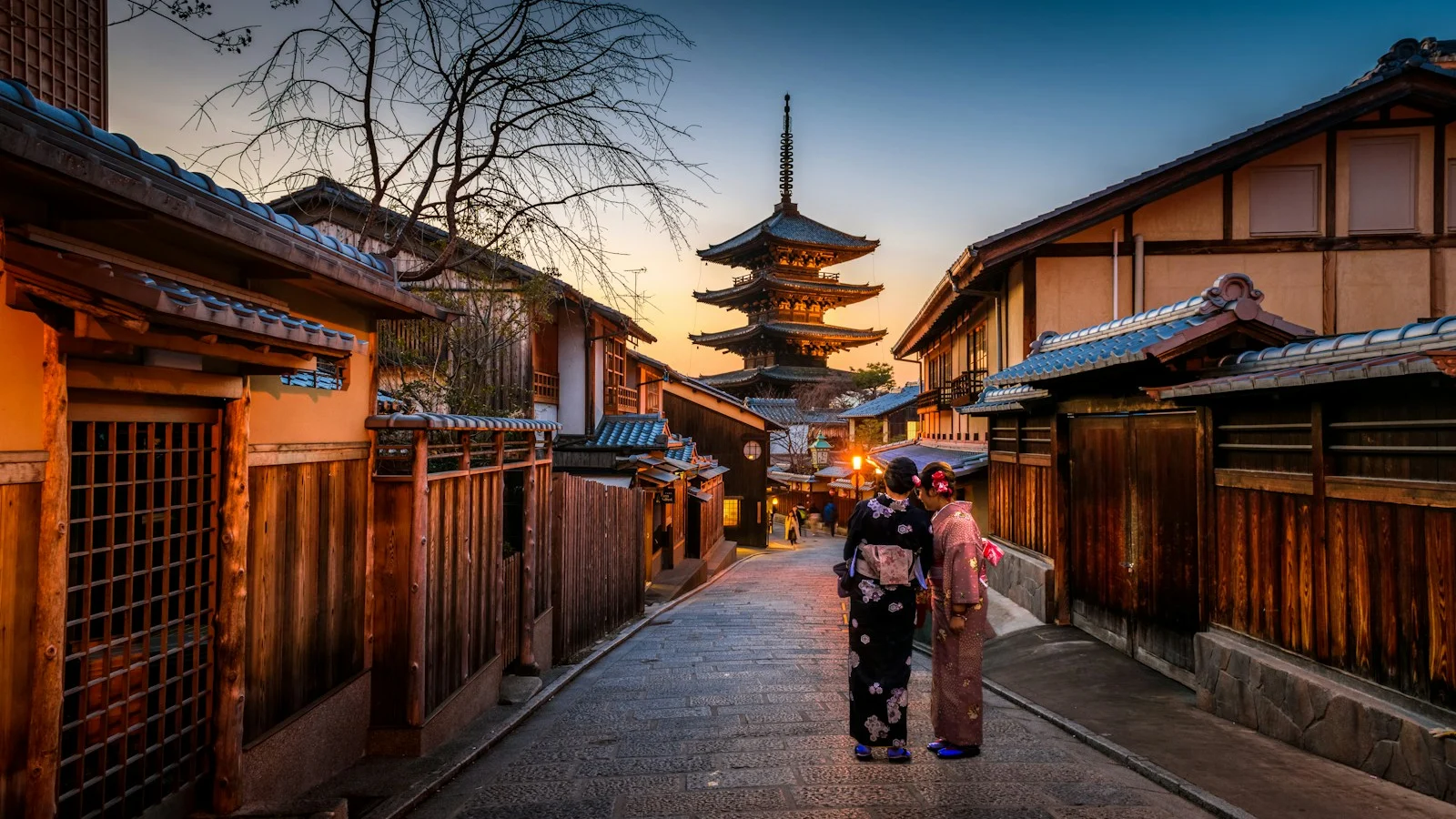
In addition to timber restoration, municipal engineers completed a major underground infrastructure overhaul. Overhead electric cables, telecommunication wires, and modern transformer boxes were relocated into subterranean utility conduits beneath natural granite stone paving, eliminating physical obstructions from narrow pedestrian pathways and creating a pristine visual experience for visitors.
Stone paving and underground utility wiring restore authentic 19th-century vistas for residents and visitors.
Subterranean utility infrastructure and concealed flood defenses
The elimination of overhead utility wires restored unobstructive historical vistas of the eastern Higashiyama mountains. Preservation experts noted that clean streetscapes significantly enhance the atmospheric authenticity of the traditional riverside corridor, allowing visitors to experience Kyoto as it appeared in the late Edo period without modern visual clutter.
Flood protection measures were discreetly integrated into the riverbank design. Low-profile stone embankments and concealed drainage channels were installed along the promenade to protect timber townhouses from seasonal river cresting without altering the natural shoreline or harming aquatic habitats, blending civil engineering with historical aesthetics.
Local business owners operating traditional tea houses, craft studios, and historic dining establishments expressed deep gratitude for the restoration. Standardized lighting fixtures utilizing warm-spectrum LED lanterns now illuminate the stone alleyways at night, attracting foot traffic while remaining respectful of local residents' evening peace and maintaining neighbourhood security.
Sustainable heritage tourism and local community balance
To prevent overcrowding and preserve community quality of life, Kyoto city authorities implemented a balanced heritage management plan. Large tour buses are restricted from narrow access streets, and dedicated pedestrian zones ensure quiet evening hours for local households, setting a precedent for managing heritage tourism in historic global destinations.
Master carpenters used interlocking cedar joinery without metallic fasteners to preserve seismic resilience.
Academic institutions specializing in architectural conservation have praised Kyoto’s holistic approach to heritage preservation. The project demonstrates how historic urban districts can incorporate modern safety infrastructure while strictly respecting traditional building techniques and local community needs, providing a model for global urban heritage initiatives.
As international travelers return to Kyoto, the restored Kamogawa riverside quarter serves as a shining example of cultural stewardship. Municipal leaders hope the initiative inspires similar heritage preservation efforts across Japan's historic provincial towns, ensuring that traditional wooden architecture remains a living part of Japanese culture for future generations.