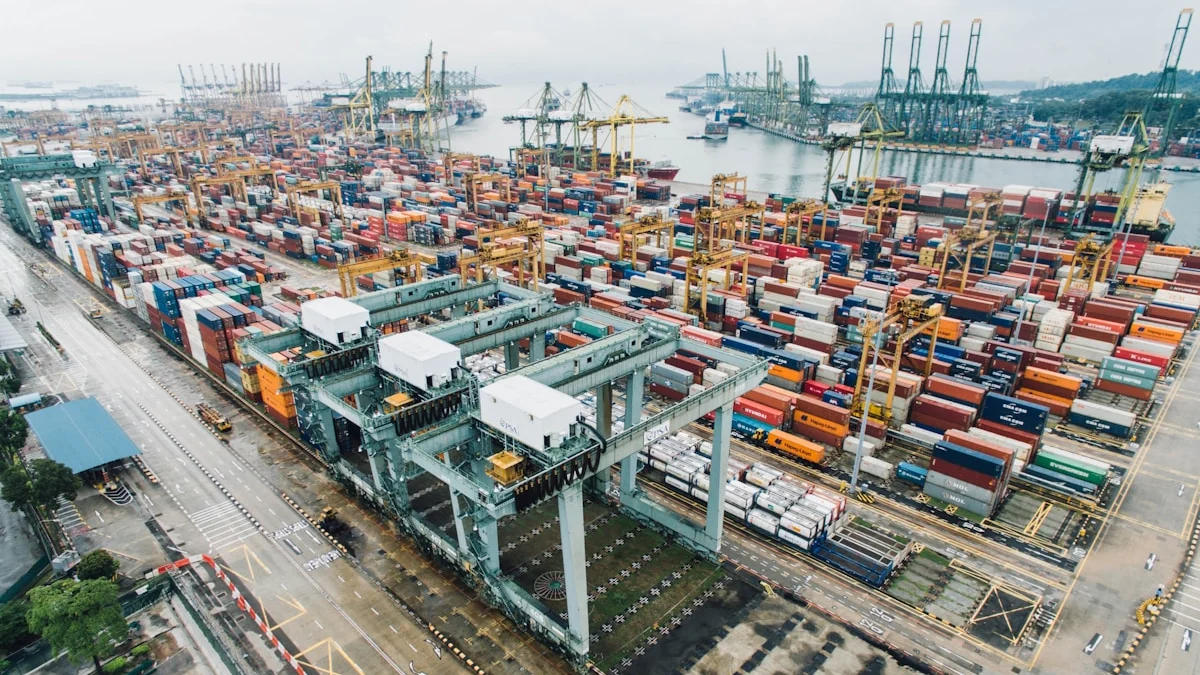
The Gwadar Port Authority has commissioned a major operational expansion at the Gwadar deep-water container terminal along the Arabian Sea coast. Equipped with modern post-Panamax quay gantry cranes, automated container stacking yards, and a 60-megawatt captive solar power plant, the port expansion positions Gwadar as a key commercial maritime transshipment hub connecting South and Central Asia with international trade routes.
Featuring a natural deep-water draft of 14.5 meters, Gwadar port allows ultra-large container vessels to dock safely without requiring costly dredging operations, lowering maritime transit costs for global shipping consortia.
Deep-water gantry terminal engineering and container handling
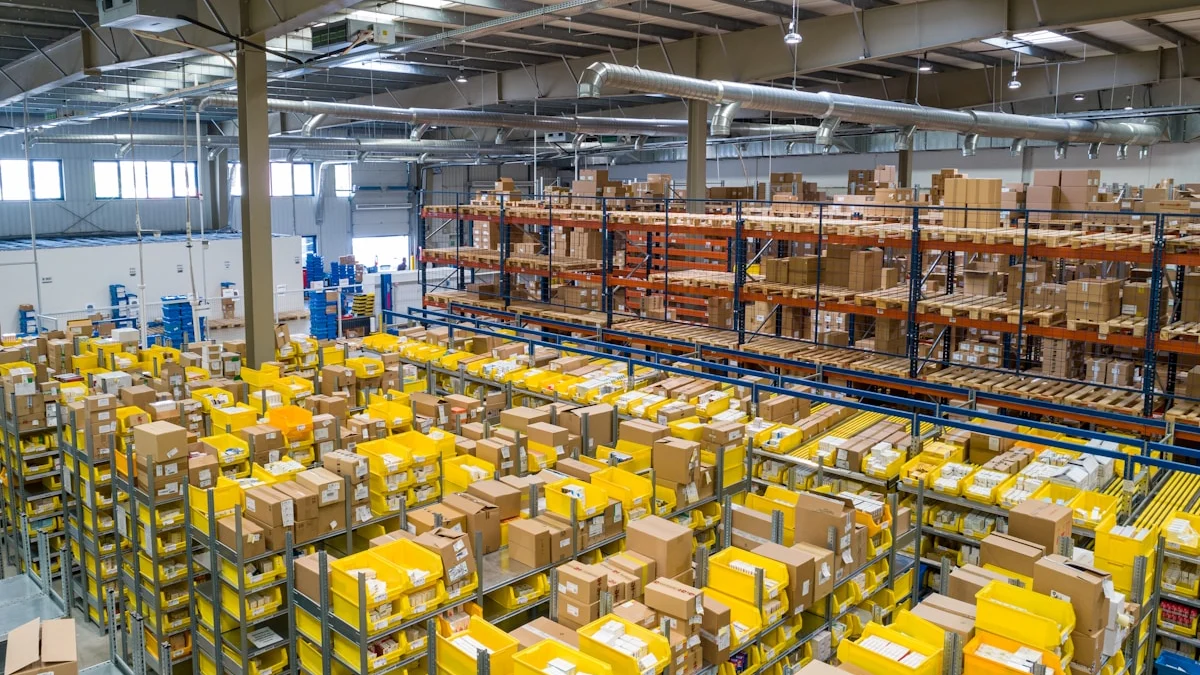
The newly completed free-zone logistics park adjacent to the container docks provides temperature-controlled cold storage, bond warehousing, and light manufacturing assembly units.
Automated customs clearance portals reduce container dwell times from days to under four hours, facilitating rapid transshipment of transit cargo bound for landlocked Central Asian republics.
A natural deep-water draft of 14.5 meters allows ultra-large container ships to dock without costly dredging.
Free-zone logistics warehousing and transshipment trade
Direct weekly container shipping liner services were established connecting Gwadar with major transshipment ports in Dubai, Singapore, and Shanghai.
Over 1,500 local workers and technical graduates from the Gwadar Vocational Training Institute were recruited for port operations, crane engineering, and logistics management.
A seawater desalination plant connected to the port complex supplies 5 million gallons of fresh drinking water daily to port facilities and surrounding residential neighborhoods.
Regional employment creation and maritime connectivity
Rooftop solar photovoltaic arrays installed on logistics warehouses generate clean renewable energy, satisfying 70 percent of day-time port power demands.
Automated customs portals reduced container clearance times from days to under four hours for Central Asian transit trade.
International shipping analysts highlighted Gwadar’s strategic geographical position as a transformative trade catalyst for energy and commercial goods across the Indian Ocean.
The operational expansion of Gwadar port is steering Pakistan into a dynamic new era of international maritime commerce and regional connectivity.