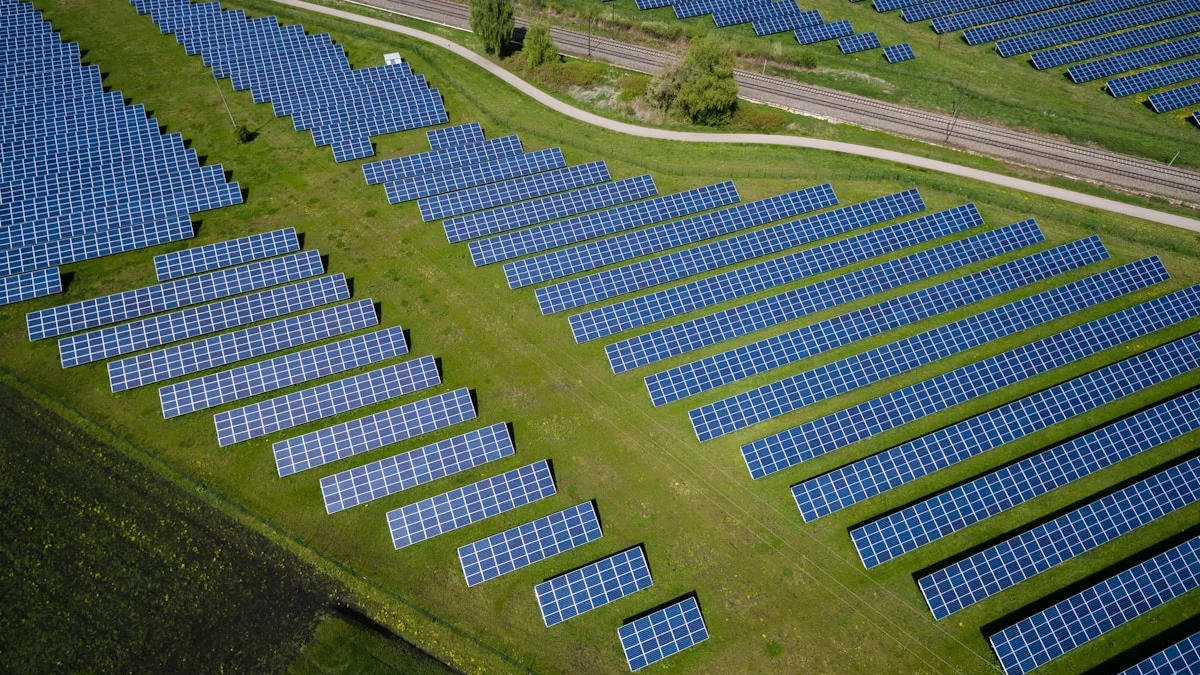
The Sindh Energy Department, supported by international green development grants, has inaugurated a network of high-efficiency off-grid solar micro-grids across remote farming villages in Tharparkar and Badin districts. Designed to bridge the rural energy divide, the autonomous solar stations deliver reliable, continuous electricity to agricultural tube-wells, school computer labs, and household lighting systems.
For decades, isolated desert communities in southern Sindh relied on costly diesel generators and kerosene lamps, spending a significant portion of household income on fuel. The newly deployed 120-kilowatt micro-grids incorporate high-durability monocrystalline photovoltaic panels paired with industrial-grade lithium-iron phosphate battery banks, providing uninterrupted 24-hour electricity regardless of national grid outages.
Photovoltaic micro-grid engineering and battery storage
Local farmers report immediate benefits as solar-powered pumps supply groundwater to drought-resilient crop plots. Irrigation costs have dropped by nearly 65 percent, allowing smallholders to cultivate seasonal vegetables and wheat during previously unproductive dry months.
In addition to powering farm equipment, micro-grids electrify village health centers and refrigeration units for storing critical vaccines. Evening digital literacy classes for children and adults are now held regularly in solar-lit community centers.
Local youth received technical training to operate and maintain community battery storage systems.
Agricultural water pumping and small business electrification
Smart metering infrastructure allows villagers to purchase prepaid electricity tokens via mobile money platforms, ensuring transparent billing and sustainable fund collection for ongoing maintenance.
Local youth received technical training to operate and service inverter systems, creating skilled employment opportunities within participating rural districts.
Environmental monitoring indicates a significant reduction in village diesel smoke emissions, improving indoor air quality and public health across desert settlements.
Socio-economic impact and community energy management
Provincial authorities plan to extend the micro-grid model to 80 additional villages across upper Sindh over the next eighteen months.
Solar-powered pumps reduced irrigation fuel costs by 65 percent for smallholder desert farmers.
International renewable energy experts highlighted Sindh’s decentralized solar strategy as a benchmark for off-grid rural development across South Asia.
Clean energy access is transforming rural livelihoods in Sindh, proving that sustainable solar technology can empower isolated communities and foster long-term economic resilience.