The Alternative Energy Development Board of Pakistan has announced the commissioning of four new high-capacity commercial wind farms within the Gharo-Jhimpir wind corridor in coastal Sindh. Featuring advanced 4.5-megawatt wind turbines with 150-meter rotor diameters, the expansion adds 350 megawatts of clean, zero-emission generation capacity to the national electrical grid.
The coastal wind corridor in southern Sindh benefits from consistent, high-velocity coastal wind currents throughout nine months of the year. The newly installed turbine technology maximizes power generation efficiency even during low-wind seasonal transitions.
Wind resource turbine engineering and high-voltage substations
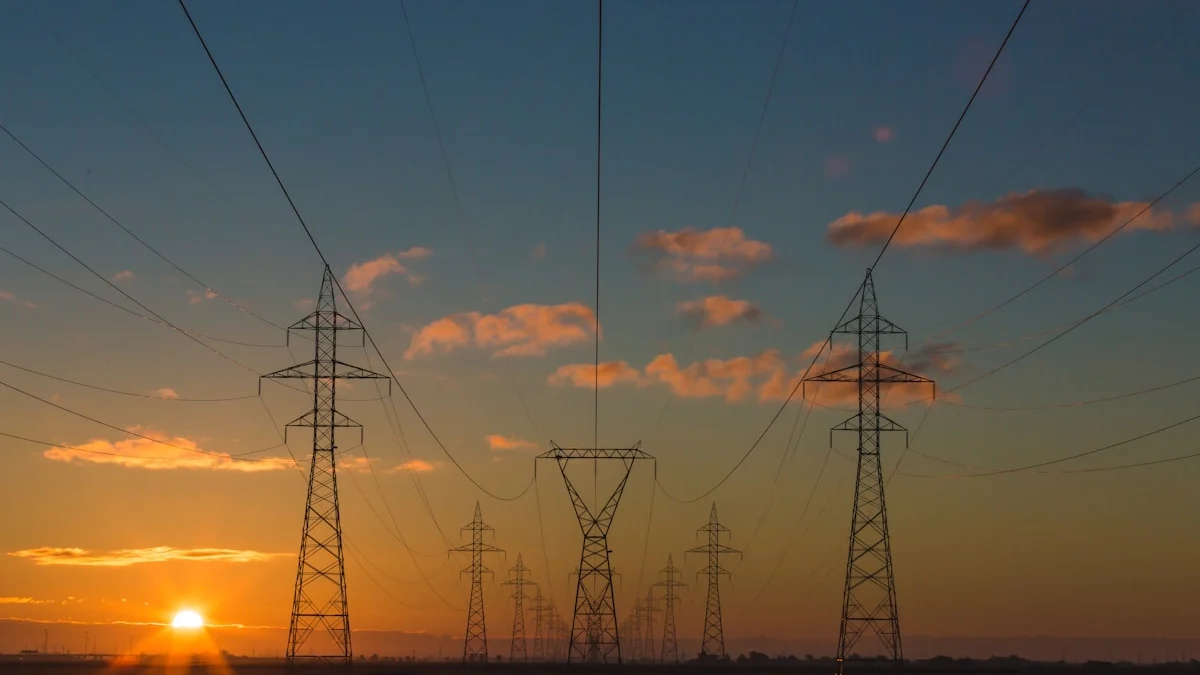
Clean power generated by the wind farms is transmitted via newly constructed 220-kilovolt high-voltage substations directly to industrial demand centers in Karachi, Hyderabad, and Thatta.
Environmental scientists estimated that the wind corridor expansion offsets over 650,000 metric tons of carbon dioxide emissions annually, replacing expensive imported heavy fuel oil power generation.
Advanced 4.5-megawatt wind turbines capture high-velocity coastal winds nine months of the year.
National grid capacity stabilization and carbon reduction
Over 800 local technicians and electrical engineers were employed during turbine assembly and grid synchronization, boosting technical skills within regional coastal communities.
Substation telemetry systems utilize automated scada software to monitor grid voltage stability and predict wind speed variations 24 hours in advance.
International renewable energy developers invested over $420 million in project equity, highlighting strong global confidence in Pakistan's green energy potential.
Local employment gains and renewable energy investments
Feasibility studies are currently underway to assess offshore wind farm deployment along the Arabian Sea coastline to further expand ocean energy harvesting.
New 220-kilovolt substations transmit clean energy directly to Karachi industrial zones.
National power grid operators confirmed that wind energy integration has stabilized regional transmission voltage during peak summer cooling periods.
The expansion of the Gharo-Jhimpir wind corridor reinforces Pakistan’s commitment to transitioning toward a sustainable, low-cost renewable energy future.