Climate finance remained the central topic of
negotiations on the fifth day of COP31. United Nations Secretary-General
António Guterres warned that even if financial resources provided to developing
countries severely affected by climate change were tripled, they would still
cover less than one-third of their needs.
Highlights from the Fifth Day of the Conference
- 1.
Speaking at the ongoing conference
in Antalya, Türkiye, the UN Secretary-General called for reforms to the global
financial system, which he said was failing to meet the needs of vulnerable and
developing countries. A new $10 billion initiative was announced to support
climate action in emerging economies.
- 2.
UN experts highlighted the
importance of helping communities affected by natural disasters, particularly
farmers, through innovative insurance mechanisms and other forms of financial
assistance.
- 3.
The conference presidency
presented the first draft of a possible political declaration. However, climate
finance and the phase-out of fossil fuels remain unresolved issues.
Call for Climate Justice
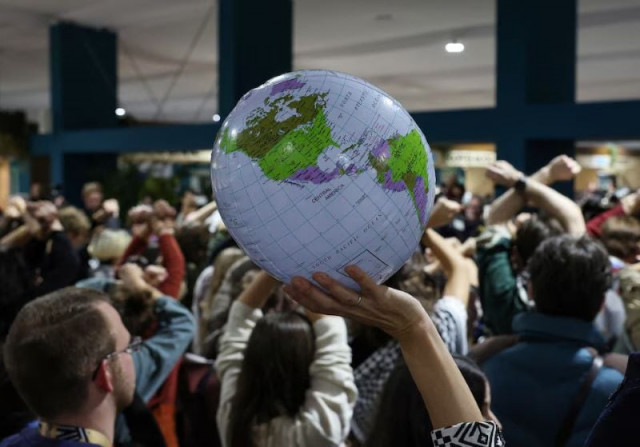
At the conference venue in Antalya and along its
waterways, demonstrators from around the world called for climate justice,
sharing emotional accounts of the human and economic losses caused by climate
change. A Nigerian civil society activist cited the example of Lake Chad and
questioned why his country, despite bearing very little responsibility for
global carbon emissions, was forced to borrow at significantly higher interest
rates than wealthy countries to cope with the effects of climate change. Drought
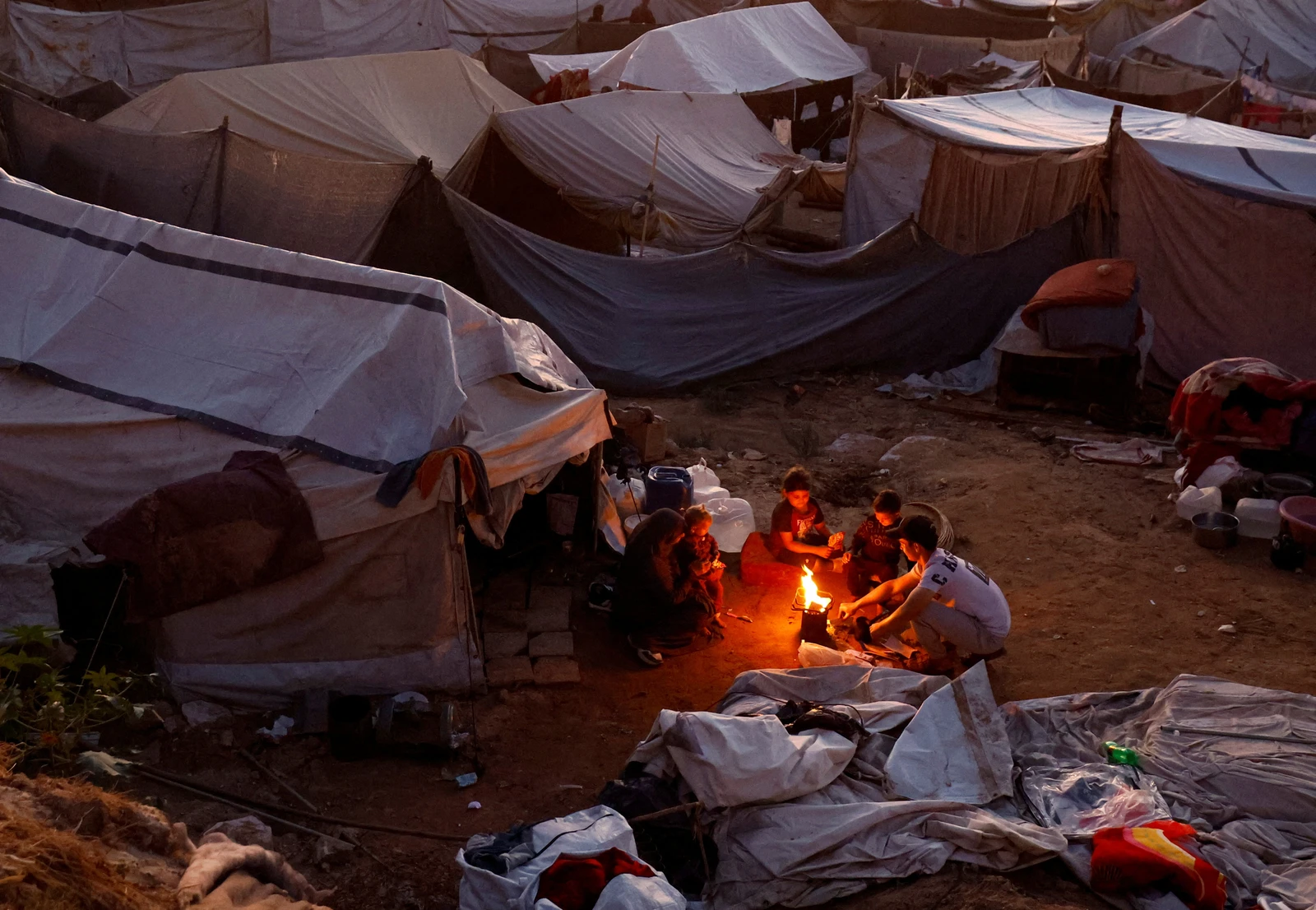
and fluctuations in water levels in Lake Chad have severely affected local
communities, forcing many families from their homes. Similar concerns were also
raised during discussions on climate finance at the conference.
The UN Secretary-General warned that climate
disasters were reversing decades of development and pushing vulnerable
countries deeper into debt. He stressed that the consequences of the crisis
extended far beyond environmental concerns and that climate action must remain
central to the United Nations' work. He emphasised that achieving this goal
required moving away from fossil fuels and challenging powerful vested interests
that were obstructing the transition. He made it clear that the future of the
planet could not be decided on the terms of those who profit from its
destruction.
Efforts to Escape the Debt Trap
Securing financial resources to protect
vulnerable countries affected by climate change is no easy task. António
Guterres said he had met with the heads of international climate funds on
Friday morning and urged them to remove bureaucratic obstacles that complicate
access to financial assistance, particularly for countries with limited
resources. He also questioned the fairness of the global financial system,
which was established after the Second World War, when many developing
countries had no role in shaping its structure. According to him, reforming the
system could also help unlock additional financial resources. For example,
every dollar invested in the capital of a development bank could generate
between $8 and $10 in financing. Greater use of financial guarantees could also
help attract private investment.
$10 Billion in Climate Investment
Addressing a ministerial session, Simon Stiell,
head of the United Nations climate agency, warned of the consequences of the
current situation. He said many developing countries were trapped in an endless
cycle of debt, natural disasters and extremely high costs of securing capital.
Climate finance, he stressed, should help them escape this predicament. Under
existing agreements, developed countries are expected to take the lead in
providing at least $300 billion annually in financial support for developing
countries by 2035. This amount forms part of a broader global target of mobilizing
$1.3 trillion annually. However, according to an assessment presented at COP31,
if current trends continue, annual climate finance could fall $840 billion
short of the broader target. New efforts to bridge this gap were announced on
Friday. Development finance institutions from the United Kingdom, Norway and
Canada unveiled plans to launch $10 billion in investments in climate-related
projects in developing economies by 2030.
Natural Disasters and Protection of Livelihoods
Kawe Zahidi, associated with the United Nations
Food and Agriculture Organization (FAO), told UN News that only around five per
cent of development finance related to climate change reaches the agricultural
sector, and this share is continuing to decline. Investment in climate
adaptation could help farmers restore degraded and damaged land, improve water
management and cultivate crops capable of withstanding droughts and floods. Increasingly
unpredictable weather conditions and phenomena such as El Niño are also
threatening food production. The greatest risk, however, is the failure to
invest in agriculture, as this could further increase food insecurity and
hunger.
Innovative Insurance Mechanisms
Sanja Buri, associated with the United Nations
University's Institute for Environment and Human Security, explained that the
longer it takes for a farmer to receive assistance, the longer and more
expensive the recovery process becomes. Even with better preparedness, some
natural disasters cannot be prevented. In such circumstances, the speed with
which financial assistance reaches affected people after a disaster can play a
decisive role in their recovery. Consider, for example, a farmer in Fiji whose
fields have been devastated by a tropical cyclone. The crops have been
destroyed, but expenses continue, while several months remain before the next
harvest. An innovative insurance mechanism is helping farmers in such
situations by providing financial assistance without requiring them to wait for
a lengthy assessment of their losses. Known as parametric insurance, the system
makes payments when predetermined conditions, such as wind speed or rainfall
levels, are met. The program is operating in eight Pacific countries and has
already benefited thousands of people.
Emotional Farewell to the UN Secretary-General
The demonstrations for climate justice at COP31
also resonated inside the conference's main hall, where civil society representatives
gathered to bid farewell to UN Secretary-General António Guterres on the
occasion of his final COP. Participants said that over the past decade,
Guterres had been one of the strongest advocates and most prominent voices for
climate justice. On the occasion, he was presented with an award recognizing
efforts to make polluters pay. Participants gave him an emotional standing
ovation and invited him to attend a future COP as a representative of a
non-governmental organization. The ceremony soon took on the familiar character
of a climate protest, with chants of "Make Polluters Pay" echoing
throughout the hall. Addressing the gathering, the Secretary-General said
fossil fuel companies were making extraordinary profits and that these profits
should be taxed to help people suffering from a crisis they had played almost
no role in creating. He warned that confronting this issue meant challenging
powerful lobbying groups and forces exerting pressure on governments. He also
urged climate activists to maintain their pressure.
Behind the Negotiations
Disagreements persist among participating
countries over how progress towards the target of tripling climate finance by
2035 should be measured and which base year should be used. Developing
countries are demanding stronger financial commitments from wealthy nations,
while some countries are emphasising the need to mobilize private investment. Negotiators
have yet to reach an agreement on reliable financial support and assistance
mechanisms for vulnerable populations and communities affected by climate
change.