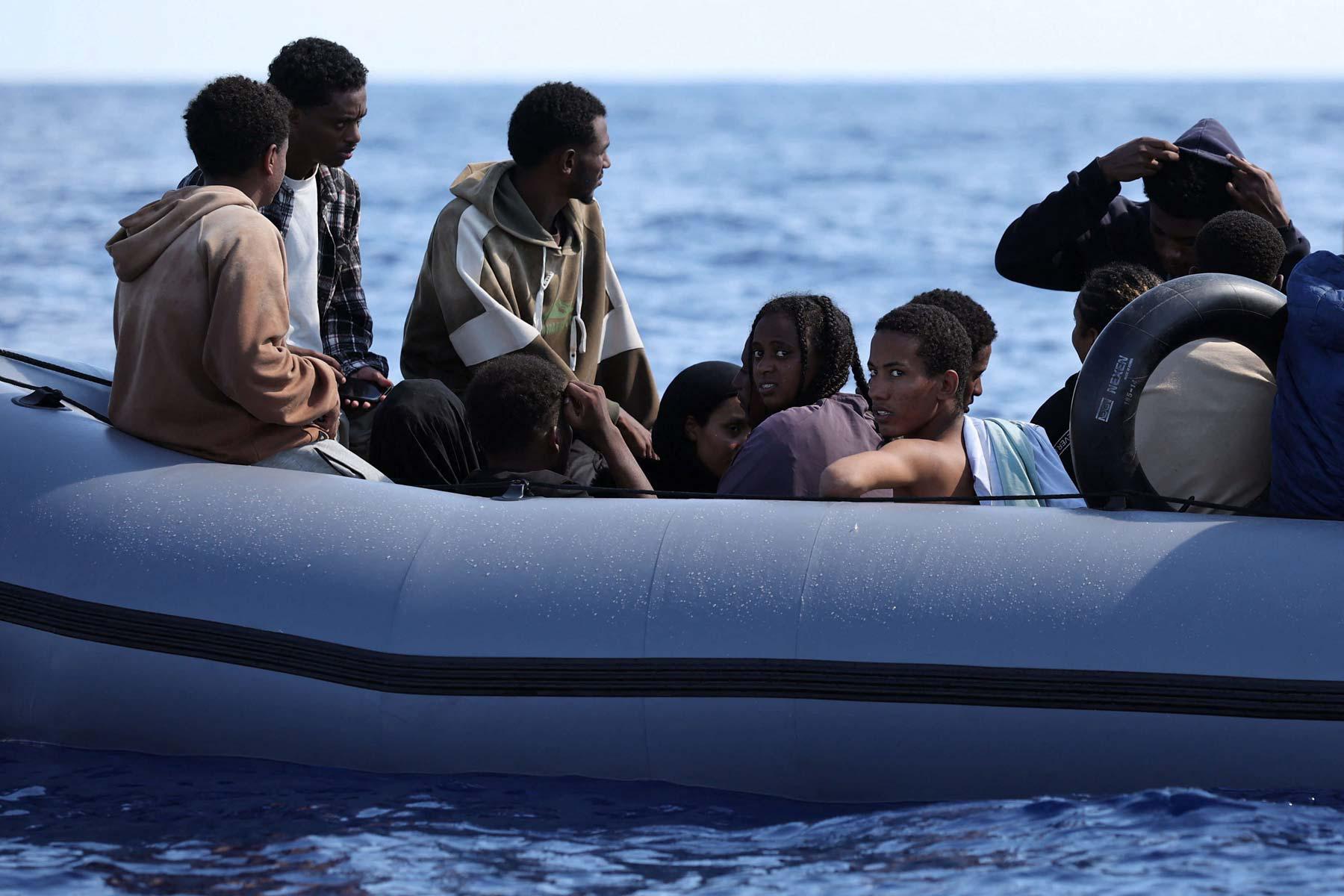
The International
Organization for Migration (IOM) has reported a significant decline in the
number of migrants arriving in Europe this year. However, migrant deaths along
the Central Mediterranean routes continue to rise. According to a new report released by the
organization, around 60,000 migrants and refugees have reached Europe by sea so
far this year. This is 39 percent lower than the 98,040 people who arrived in
Europe during the same period last year. At least 2,292 people have died or
gone missing while attempting to reach Europe by sea compared with 1,999 during
the same period last year. IOM Director General Amy Pope said the figures tell
two stories at the same time. Although the number of people reaching Europe by
sea has declined compared with last year, people seeking a safer future are
still dying or going missing in alarming numbers.
Decline in Arrivals in Italy and Greece
The report said the most
significant decline in the number of migrants arriving in Europe was recorded
among those reaching Italy via the Central Mediterranean route. Their number
fell from 48,231 to 21,393. However, deaths along
this route increased from 844 to 996. A total of 20,428 people reached Greece,
compared with 25,427 during the same period last year. Deaths along the Eastern
Mediterranean route to Greece increased from 284 to 417. The number of people arriving in Spain stood
at 16,794, traveling via the Atlantic and Western Mediterranean routes. During
the same period last year, the figure was 22,855. However, the number of deaths along these
routes remained high, with 879 people losing their lives at sea. According to
the organization, many incidents involving shipwrecks and missing people are
never reported. Therefore, the actual number of deaths could be considerably
higher than official figures.
Safe and Regular Migration
The interception of migrants
at sea also continues on a large scale. Based on figures provided by the Libyan
Coast Guard, the IOM reported that 17,067 migrants were intercepted at sea and
returned to Libya from January through mid-September. Amy Pope said that behind every figure is a
person, a family and a community. She said that despite the decline in arrivals
in Europe, the increase in deaths indicates that migrants are taking
increasingly dangerous routes. Addressing the issue requires sustained
international cooperation to save lives, protect people on the move, combat
human trafficking and exploitation, and help expand safe and regular migration
pathways. The IOM is working with governments, partner organizations and local
communities in migrants’ countries of origin, transit countries and destination
countries to address the issue. Effective protection, support for voluntary
returns and reintegration, expanding regular migration pathways, and reducing
the risks associated with migration are at the center of these efforts.