Culture
Sacrificing Human Dignity in the Name of Cow Protection?
Throughout history, humanity has struggled for civilization, democracy, constitutional governance, the rule of law and human rights.
- Reading time
- 4 min read
- Published
- 2 Nov 2026, 06:47

Culture
Throughout history, humanity has struggled for civilization, democracy, constitutional governance, the rule of law and human rights.
Throughout history, humanity has struggled for civilization, democracy, constitutional governance, the rule of law and human rights. The fundamental purpose of this struggle has been to ensure that no person's life, freedom, dignity or religious identity is subjected to state power, majority sentiment or any particular ideology. However, when questions arise in a society about human dignity and fundamental rights in the name of protecting animals, serious public debate becomes essential.
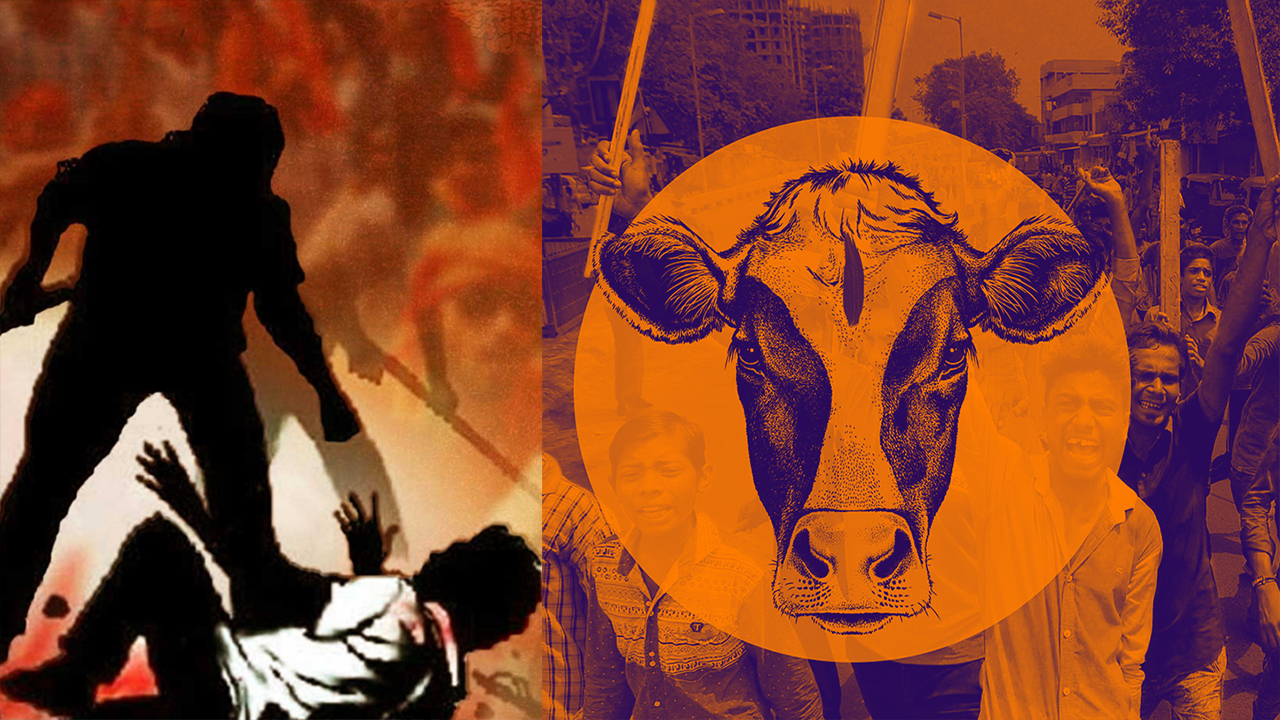
On October 26, 2026, a court in Gandhinagar district of the Indian state of Gujarat sentenced three Muslim men — Wasim Qureshi, Mohammad Rafiq Qureshi and Ashfaq — to life imprisonment and fined each of them 300,000 Indian rupees in a case involving the alleged illegal slaughter of cows. The case stemmed from a police operation in the village of Jamla on August 22, 2024, during which 277 kilograms of meat were reportedly recovered. Six people were named in the case; two were acquitted, while one died during the trial. The news was reported by several media outlets, including The Indian Express, Hindustan Times and India Today.
My concern here is not to defend any criminal offence, but to highlight the need for a balance between law, justice and human rights. If someone has genuinely violated the law, they should be punished following transparent judicial proceedings. But is life imprisonment a proportionate punishment for every offence? Should the severity of a sentence be determined solely by the religious sentiments of a particular community or the religious significance attached to an animal? Should constitutional principles, human dignity and proportionality in sentencing not receive equal consideration in courts, alongside religious references?
The Holy Quran clearly states in Surah Al-Isra (17:70) that God has honoured the children of Adam. This dignity is not restricted to any particular religion, race, nation or sect; it is inherent in being human. Similarly, Surah An-Nisa (4:135) and Surah Al-Ma'idah (5:8) command believers to uphold justice and not allow hostility towards any community to lead to injustice.
The teachings of the Ahl al-Bayt (peace be upon them) also provide a foundation for respecting human dignity. In Letter 53 of Nahj al-Balagha, Imam Ali ibn Abi Talib (peace be upon him), while appointing Malik al-Ashtar as governor of Egypt, instructed him to treat people with compassion, love and kindness, explaining that people are of two kinds: either your brothers in faith or your equals in humanity. This teaching does not permit anyone to regard another human being as inferior on the basis of religion or belief.
International law also upholds these principles. Articles 1, 3, 5, 7 and 10 of the Universal Declaration of Human Rights (UDHR) affirm human dignity, the right to life, equality before the law, protection against inhuman treatment and the right to a fair hearing. Similarly, Article 14 of the International Covenant on Civil and Political Rights (ICCPR) guarantees the right to a fair trial, while Article 26 establishes the principles of equality and non-discrimination.
Articles 14, 15 and 21 of the Indian Constitution also protect equality before the law, prohibit discrimination on religious grounds and safeguard the right to life and personal liberty. On the other hand, Article 48 provides guidance to the state on protecting animals and taking measures to prohibit cow slaughter. However, Article 48 cannot serve as a substitute for fundamental rights. Its implementation must also respect fundamental rights and the principles of fair judicial proceedings. My position is clear: cruelty to animals is wrong, and their protection is necessary. However, the protection of an animal cannot be used to justify the humiliation of human beings, religious prejudice, disproportionate punishment or violations of fundamental rights. The purpose of law should be justice, not revenge.
States, courts and legislative institutions must understand that respecting one religion does not mean undermining the dignity of followers of another. Religious sentiments deserve consideration, but safeguarding human life, freedom, dignity and access to fair justice remains a fundamental responsibility of every civilized society. The final question is this: Are laws made to protect human beings and ensure justice, or to force people to submit to a particular ideology? Protect animals, respect religious freedom, but never sacrifice human dignity and fundamental rights. This is the demand of religion, constitutional values, humanity and genuine justice.