Tel Aviv: As the newly elected Knesset
(parliament) prepares to take its oath, Israel’s opposition bloc has begun
advancing its first major political strategy. According to local media reports,
the opposition bloc opposed to Prime Minister Benjamin Netanyahu has decided
that, regardless of the outcome of government formation, its first priority
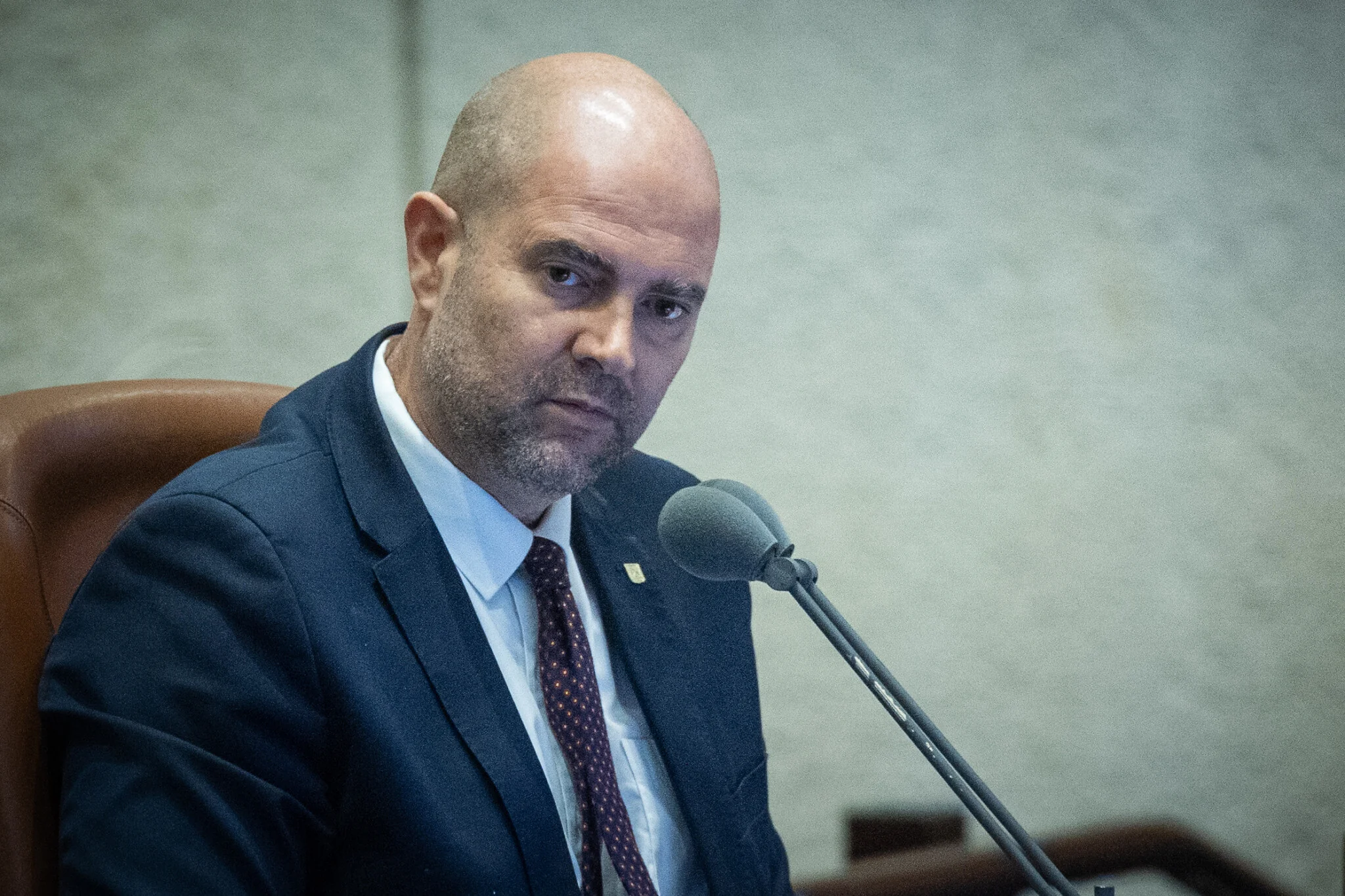
will be to remove current Knesset Speaker Amir Ohana of the Likud party from
his position.
The Knesset speaker holds significant powers over
the parliamentary agenda, legislation, voting procedures and the formation of
various committees. The opposition believes that removing Ohana would enable
the anti-Netanyahu camp to exercise control over key parliamentary decisions,
even if Netanyahu remains in office as head of a caretaker government. The
speaker is elected through an open vote at the beginning of a new Knesset term.
To remove Amir Ohana and appoint its own candidate, the opposition bloc would
need the support of at least 61 members of the 120-seat parliament. It is also
considering seeking the backing of Arab parties. The move does not require the
formation of a new government or an agreement on a governing coalition.
Political Crisis Deepens After Inconclusive
Election Results
Meanwhile, Israel’s political crisis has
intensified following the release of preliminary election results. Hundreds of
demonstrators took to the streets in Tel Aviv and Jerusalem yesterday, urging
opposition leader and former military chief Gadi Eisenkot to form an alliance
with Arab political parties in order to remove Prime Minister Benjamin
Netanyahu from power. In Tuesday’s preliminary election results, no bloc
secured a clear majority in the 120-seat Knesset. Jewish parties opposed to
Netanyahu won 48 seats, while the two Arab-majority parties, Ra’am and the
Joint List, secured a combined total of 19 seats. If the two groups join
forces, they would hold 67 seats, potentially giving them a clear majority against
Netanyahu.
However, serious disagreements persist within the
opposition bloc. Gadi Eisenkot has said that he would form only a “Zionist
government”, while right-wing leader Avigdor Lieberman has also rejected
cooperation with Arab parties, describing it as “relying on supporters of
terrorism”. In contrast, Yair Golan, leader of the left-wing Democrats Party,
has expressed full support for an alliance with Arab parties. Netanyahu and his
supporters have accused the Arab parties of alleged election fraud and
receiving financial assistance from Qatar, describing such cooperation as a
“disaster” for Israel. President Isaac Herzog is expected to issue the mandate
to form a government by Thursday. Meanwhile, observers believe that Netanyahu
may see the threats of a possible attack on Iran as an opportunity to gain
additional political time.