The Democratic Party delivered a major blow to
the Republican Party by securing majorities in both the House of Representatives
and the Senate. Georgia elected its first Black woman governor, while Texas
made history by electing its first Latina governor. Democrats also secured
victories in several states that had long been considered Republican
strongholds. Their success in the elections is being viewed as a major turning
point in American politics.
Trump’s Popularity Suffers a Major Setback
The results of the November 3 midterm elections
made it clear that, despite President Donald Trump’s popularity among his core
supporters and his aggressive election strategy, American voters are not
necessarily backing him on every issue. The elections were widely regarded as
the first major electoral test of Trump’s second presidential term. Political developments this year have not only
influenced the direction of American politics but have also laid new groundwork
for the 2028 presidential election.
Trump and his Republican Party suffered the
biggest setback in the elections, with Democrats securing majorities in both
the House of Representatives and the Senate. This means that, starting in
January 2027, the Trump administration will face strong opposition in both
chambers of Congress. Democrats will
play a crucial role in decisions concerning the budget, government policies and
new legislation. Several proposals put forward by Trump are likely to face
difficulties in securing congressional approval. Although the US president
enjoys extensive executive powers, Congress plays a decisive role in approving
budgets and passing legislation.
Inflation and Economic Concerns Shifted Voters’
Preferences
Economic difficulties were among the major
reasons behind voter dissatisfaction in these elections. Inflation, rising
healthcare costs, employment concerns and increasing financial pressure on households
remained key issues for ordinary Americans. According to election analyses,
approximately 60 percent of voters expressed dissatisfaction with Trump’s
performance. Opposition was also evident over his immigration policies and
other government decisions. Democrats made these issues a central part of their
election campaign and sought to assure voters that the needs and priorities of
ordinary Americans would remain at the heart of their political agenda. The
election results conveyed a clear message: elections cannot be won through
political slogans alone. Issues such as inflation, household expenses and
family budgets also have a profound impact on voters’ decisions.
Keisha Lance Bottoms Makes History in Georgia
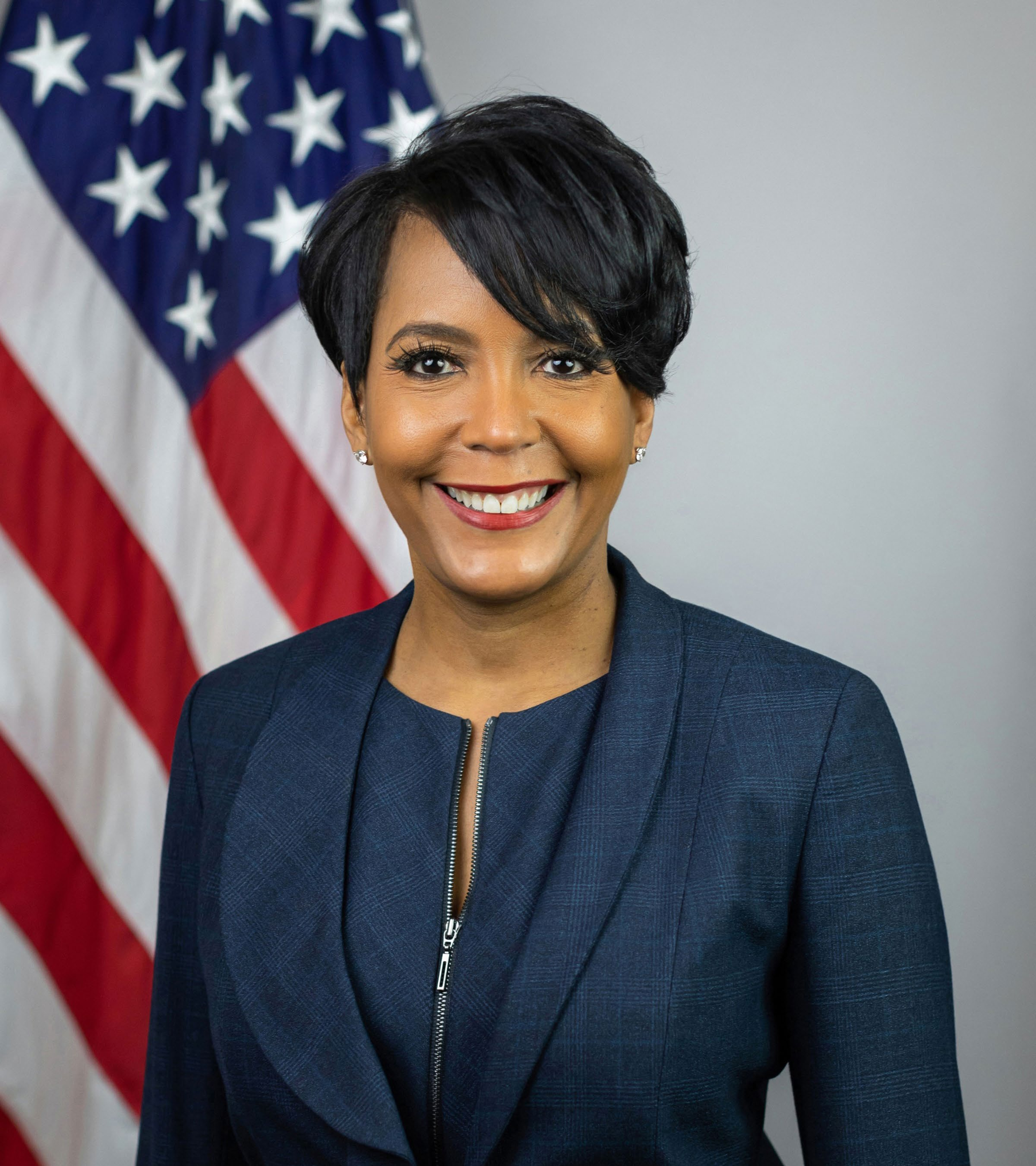
The victory of Keisha Lance Bottoms in Georgia
was among the most significant political developments of the year. The former
Atlanta mayor defeated Republican candidate and billionaire businessman Rick
Jackson, making history as the first Black woman ever elected governor of a US
state. Georgia is therefore set to have
its first Black woman governor. The victory is particularly significant because
it marks the first time since 1998 that a Democratic Party candidate is set to
become governor of Georgia. During her election campaign, Bottoms focused not
only on her candidacy but also highlighted employment, healthcare, minimum
wages and the economic challenges facing ordinary Americans. Her victory indicates that political and
social change is accelerating across the southern United States.
Growing Leadership Role for Women and Minority
Communities
The 2026 elections were also exceptionally
significant in terms of political representation for women and minority
communities. In Texas, Democratic candidate Gina Hinojosa defeated Republican
Governor Greg Abbott, making history as the state's first Latina governor. In
New Mexico, Deb Haaland was elected the first Native American woman governor in
US history. In Ohio, Amy Acton became the state's first elected woman governor.
In Florida, Republican candidate Byron Donalds won the election, becoming the
state's first Black governor. Nevada and Wisconsin also elected their first
Black governors. As a result, the United States will have five Black governors
serving simultaneously. The Senate also witnessed historic developments, with
Michigan's Abdul El-Sayed set to become its first Muslim American member, while
Minnesota's Peggy Flanagan will become the first Native American woman senator. These results demonstrate that the face of
political leadership in the United States is becoming more diverse than ever
before.
Democrats Regain Ground in Traditional
Republican Strongholds
Another significant aspect of the Democratic
victory was their success in states where Republicans had traditionally
maintained a strong hold. In Texas, the victory of a Democratic candidate after
more than three decades of Republican dominance surprised political observers.
A similar change of power took place in Georgia. Likewise, Amy Acton's victory
in Ohio, a traditionally Republican-leaning state, boosted Democratic Party
morale. These results indicate that traditional electoral patterns in American
politics are changing, making it increasingly difficult to regard any state as
a permanent stronghold of a particular political party.
Impact Expected on the 2028 Presidential
Election
These political changes are also likely to have
an impact on the 2028 presidential election.
After securing majorities in both chambers of
Congress, Democrats will have an opportunity to scrutinize the Trump
administration's decisions and advance their own policy priorities. However,
the party will also face the challenge of maintaining unity and sustaining
voters' confidence over the long term. On
the other hand, Trump and the Republican Party will have to recognize that,
despite having a strong support base; electoral success requires winning the
confidence of a broader section of the electorate. Overall, the 2026 elections have delivered
five major messages about American politics.
First, a president's popularity can face a
significant electoral challenge. Second, economic concerns can change voters'
decisions. Third, political representation for women and minority communities
is growing. Fourth, power can change hands even in traditional political strongholds.
Fifth, the political groundwork for the 2028 presidential election is already
beginning to take shape. From Keisha
Lance Bottoms' historic victory in Georgia to the Democrats' return to control
of Congress, the developments of 2026 have presented a changing picture of
American democracy.