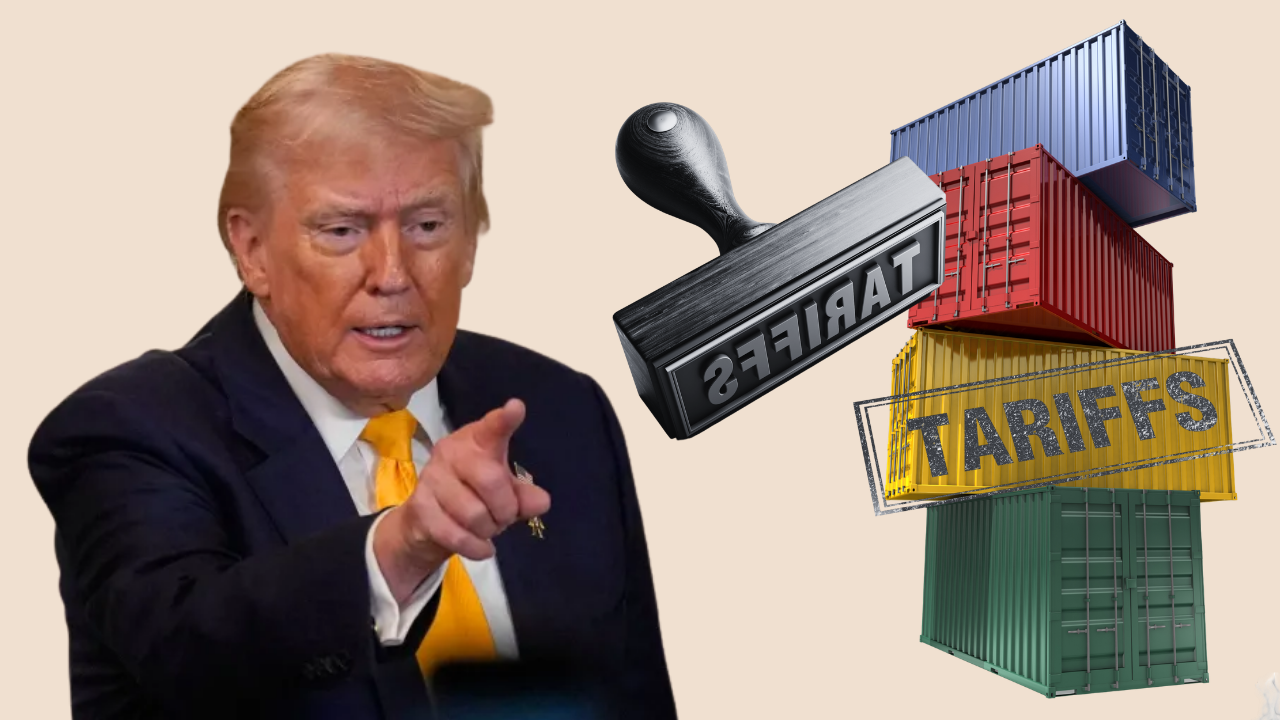
The administration of US President Donald
Trump is preparing to impose new tariffs on imports from China, India, the
European Union and other major trading partners. According to US media reports,
China, India, the EU and 14 other economies could be affected by the new US
tariff plan. Since the
beginning of his second presidential term, US President Donald Trump has
pursued a policy of increasing tariffs on imported goods to protect American
industries, boost domestic production and reduce the trade deficit. The trade
war between the United States and China began in 2018, during Trump's first
term in office, when both countries imposed heavy tariffs on each other's
products.
Trump maintains that other countries benefit from
access to the US market, keep their products artificially cheap through
government subsidies and compete unfairly with American companies. His
administration describes tariffs as a means of protecting US industries,
creating jobs and persuading trading partners to agree to more favourable trade
deals. According to The Wall Street
Journal, the Trump administration is expected to announce the new tariffs
this week, although the timing of the announcement could change. The report
says US Trade Representative Jamieson Greer may release the findings of
investigations conducted over several months into the industrial policies,
government subsidies and excess production capacity of the countries concerned. The US government alleges that some countries
provide substantial financial assistance and subsidies to their domestic
industries, enabling them to produce more goods than the market requires. As a
result, their products are sold at lower prices in global markets, making it
difficult for American manufacturers to compete.
Which Countries Could Face What Tariff Rates?
According to The Wall Street Journal,
the proposed tariff rates will not be the same for all countries. The report
says the European Union, Japan and South Korea could face tariffs of 15 percent
or less because they have trade agreements with the United States. By contrast, China, India and Vietnam could
face relatively higher tariffs, with China potentially subject to the steepest
rates. However, no official announcement has yet been made regarding the final
tariff rates for any country or the date on which the measures would take
effect. The main purpose of the US
administration's investigations is to determine whether other countries are
gaining an unfair competitive advantage in global markets by providing
government financial support to their industries. Washington argues that
products manufactured with the help of state subsidies are creating
difficulties for American industries.
The Office of the US Trade Representative has
conducted investigations under Section 301, a provision of US trade law that
provides a legal mechanism for responding to unfair foreign trade practices. Under the proposed measures, tariffs could be
imposed on most imports from the countries concerned. However, certain
products, including steel, aluminium and automobiles, could potentially be
exempted or treated separately because they are already subject to tariffs
under national security-related laws.
New Trade Challenges for China and India
The most significant aspect of the proposed US
tariffs is the possibility of additional duties on China and India. Trade
tensions between China and the United States have continued for several years,
with both countries imposing tariffs on each other's products. They also have
disagreements over technology, industrial production and trade policies. The development is also significant for
India, as New Delhi and Washington are currently negotiating a bilateral trade
agreement. The introduction of new US tariffs could affect those negotiations. Vietnam is also among the countries that
could be affected by the proposed measures. The country exports large
quantities of industrial and consumer goods to the United States.
Will the New Tariffs Be Added to Existing
Duties?
According to US media reports, the new tariffs
could be imposed in addition to certain trade duties already in place. This
means that products from some countries could face additional charges on top of
existing tariffs, potentially increasing the overall cost of goods imported
into the United States. The report says the US administration is also
considering provisions that would allow it to impose further tariff increases
if a country's excess industrial production continues to grow or if it fails to
change its trade policies.
Experts say that if the United States implements
the new tariffs, they could create further uncertainty in global trade. The US
is one of the world's largest import markets, so an increase in tariffs could
affect export industries across China, India, Europe and several Asian
economies. The new duties could also
increase costs for US importers, push up prices for certain goods and disrupt
global supply chains. In response, affected countries could pursue trade
negotiations with Washington, impose retaliatory tariffs or seek alternative
markets. However, the final tariff
rates, the products covered and the implementation dates will become clear only
after the US administration makes an official announcement.