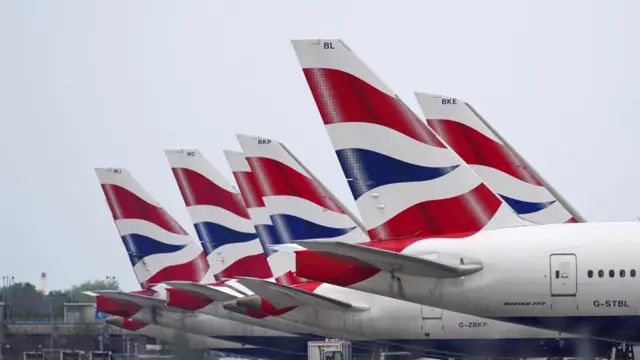
Thousands of flights
in the United Kingdom were affected and canceled in recent days due to a
disruption in the air traffic system, and the actual cause has now been
identified. According to a Reuters report, the UK’s
air traffic control operator, NATS, has attributed the major disruption that
occurred last week to a software defect. The incident affected air travel for
millions of passengers and led to the cancellation of around 2,000 flights.
NATS Chief Executive Martin
Rolfe told Reuters that the disruption to air traffic control was caused by a
software defect in a specific part of the company’s flight data system. He
clarified that the incident was not related to the major air traffic disruption
in 2023, nor was it the result of military interference, as had been claimed in
some media reports. According to NATS,
the fault in the air traffic system has been identified, and temporary safety
measures and procedures have been implemented until a permanent solution to the
problem is found. According to the report, the technical fault resulted in the
cancellation of around 2,000 flights and disrupted air travel for several days.
The situation forced airlines to make additional arrangements to refund
passengers and reposition crew members and aircraft at different locations,
resulting in losses of millions of pounds.
UK Transport Secretary Heidi
Alexander described the incident as completely unacceptable and said the
government urgently needs to understand why the software defect was not
detected at a time when it could have been fixed. The incident occurred at a time when NATS had
already faced technical problems with the air traffic control system in the
past. A major outage in August 2023 severely disrupted air travel across the UK
and caused airlines losses of around £100 million. In July 2025, a relatively
minor technical issue involving NATS also resulted in the cancellation of
around 150 flights.
According to the report, the
latest fault occurred when an aircraft made a request for an identification
code and another, higher-priority request was received, temporarily
interrupting the processing of the first request. According to a NATS report, if the second
request had been received even one millisecond earlier or later, the system
would have continued operating normally.