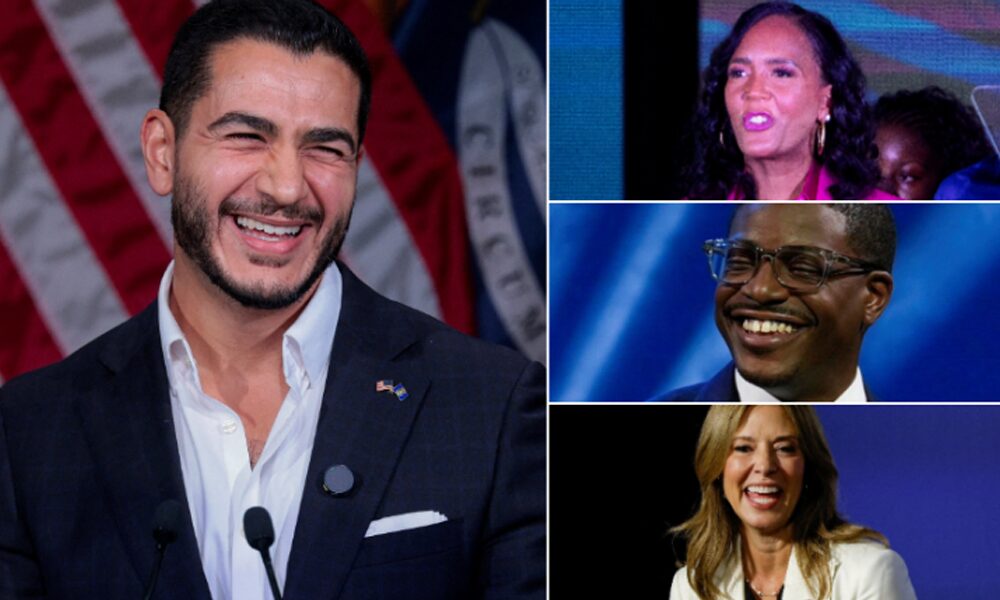
Several candidates made history in the 2026 U.S.
midterm elections. In particular, candidates from minority communities and
women broke barriers that had stood in American politics for decades. These
historic achievements include the election of the first Black woman governor, the
first Muslim senator and the first openly gay male senator in U.S. history. Across
the country, candidates also secured victories in gubernatorial and
congressional elections, increasing political representation for Black, Latino,
Native American and LGBTQ+ communities. In Tuesday’s elections, Democrats
achieved significant victories, winning majorities in both chambers of Congress
and capturing several governorships in states previously controlled by
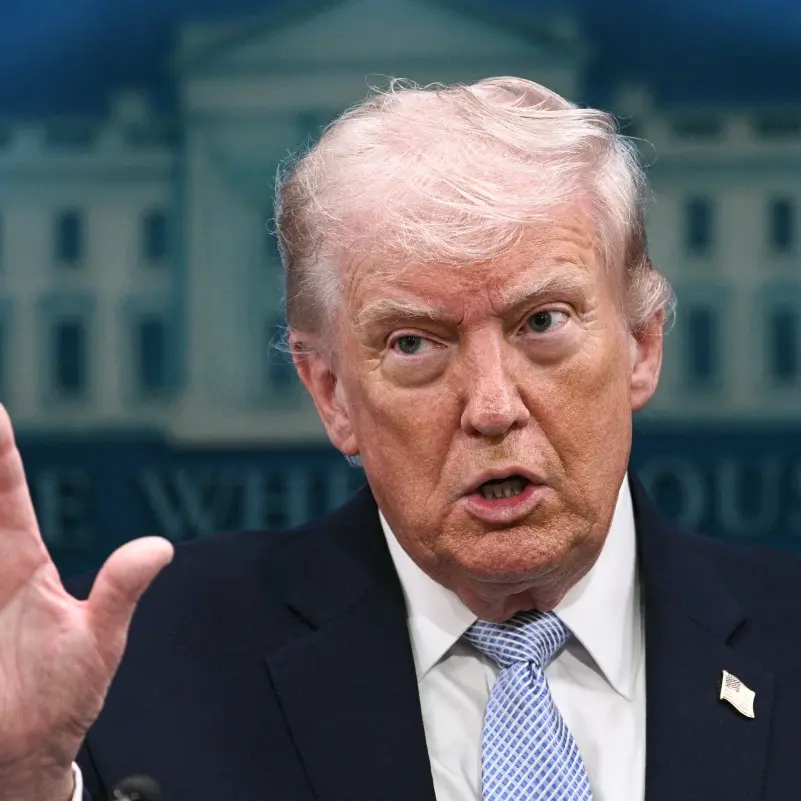
Republicans. The results represent a major political setback for President
Donald Trump’s administration.
Here are some of the most significant
historic achievements of the 2026 U.S. midterm elections:
America’s First Muslim Senator
Democratic candidate Abdul El-Sayed has won a
U.S. Senate seat from Michigan, becoming the first Muslim ever elected to the
U.S. Senate. His victory also allowed Democrats to retain an important seat,
which is particularly significant for the progressive wing of the party. He
defeated Republican candidate Mike Rogers, a former member of Congress and
former FBI agent. The seat became vacant following the retirement of Democratic
Senator Gary Peters. In his victory speech, Abdul El-Sayed said, “Today, God
willing, we have turned ‘Inshallah’ into ‘Alhamdulillah.’ The 42-year-old El-Sayed
is a former public health official. During his campaign, he focused on reducing
the financial burden on working families and limiting the influence of large
corporations in politics. His platform also included “Medicare for All,” a
comprehensive, government-funded healthcare program supported by progressive
members of the Democratic Party.
The 63-year-old Mike Rogers enjoyed strong
backing from President Donald Trump and the Republican Party’s national
leadership. He attempted to portray El-Sayed as a supporter of Islamic
extremism, allegedly because of his connections to the Muslim Brotherhood.
El-Sayed rejected the allegations, while Democrats also criticized them as
Islamophobic and rooted in stereotypes. Following his victory, El-Sayed said,
“I am proud to go to the United States Senate to serve the great state of
Michigan. People of Michigan, we have achieved what many said was impossible.
We won this victory together, and now the real work begins.”
Interestingly, his Republican opponent, Mike
Rogers, had also sought support during the campaign from Jewish voters who were
concerned about El-Sayed’s opposition to U.S. military aid to Israel and his
description of Israeli actions in Gaza as genocide. In the final days of the
campaign, Rogers also disagreed with President Trump over the war with Iran and
the U.S. trade dispute with Canada. He argued that both disputes needed to be
resolved to reduce costs for businesses and consumers. El-Sayed’s victory marks
a major milestone for Muslim representation in American politics.
America’s First Black Woman Governor
Democratic candidate Keisha Lance Bottoms has
also made history by becoming the first Black woman elected governor in the
United States. She achieved this milestone by defeating Republican businesswoman
Rick Jackson in Georgia. For the first time in America’s 200-year history, a
woman or a Black American has won election to the state’s highest elected
office. Bottoms served as mayor of Atlanta from 2018 to 2022. She was among the
women considered by former President Joe Biden as a potential running mate
during the 2020 presidential election. She later served in the Biden
administration as director of the White House Office of Public Engagement. During
her campaign, she placed particular emphasis on expanding Medicaid, providing
property tax relief to homeowners and increasing funding for education. Her
victory returns the governorship of Georgia to the Democrats after several
decades.
First Openly Gay Male Member Enters the U.S.
Senate
Democratic candidate Chris Pappas has won the
Senate election in New Hampshire, becoming the first openly gay man elected to
the U.S. Senate. Pappas, who has served four terms in the House of
Representatives, defeated Republican candidate and former senator John E.
Sununu. The seat became vacant following the retirement of Democratic Senator
Jeanne Shaheen. His victory allowed Democrats to retain the seat while also
securing representation for the LGBTQ+ community in the upper chamber of
Congress. New Hampshire’s Senate race had been considered one of the
Republicans’ best opportunities to gain a seat.
America’s First Native American Woman Governor
Democrat Deb Haaland has won the gubernatorial
election in New Mexico, becoming the first Native American woman elected
governor in the United States. Haaland belongs to the Laguna Pueblo tribe. She
previously served as U.S. Secretary of the Interior under former President Joe
Biden, becoming the first Native American to lead a federal Cabinet department.
She had already made history in 2018, when she was among the first two Native
American women elected to the U.S. House of Representatives. Her victory in the
gubernatorial election marks an important milestone for the political
representation of Native Americans in the United States.
First Native American Woman Elected to the U.S.
Senate
Democrat Peggy Flanagan has defeated Republican
candidate Michelle Tafoya in Minnesota, becoming the first Native American
woman elected to the U.S. Senate. Flanagan belongs to the White Earth Band of
Ojibwe. She previously served as Minnesota’s lieutenant governor and as a
member of the state legislature. Her victory represents a historic development
in the representation of Native Americans in the upper chamber of the U.S.
Congress. Flanagan’s win also helped Democrats secure victories in areas
traditionally considered Republican strongholds and subsequently gain control
of the Senate.
Florida’s First Black Governor
Republican candidate Byron Donalds has defeated
Democratic candidate David Jolly, becoming Florida’s first Black governor. Donalds
is a member of Congress and received President Trump’s endorsement during his
election campaign. His campaign focused on tax reforms, regulating data centres
and supporting President Trump’s political agenda. His victory marks a historic
milestone for Black representation in Florida’s highest elected office. Donalds
will join the growing group of Black governors in the United States. The group
also includes Georgia’s Keisha Lance Bottoms and Maryland’s Democratic Governor
Wes Moore, who has won re-election. The three governors represent different
political parties and ideological positions.
Wisconsin’s First Black Governor
Democratic candidate David Crowley has defeated
Republican candidate Tom Tiffany, becoming Wisconsin’s first Black governor. Crowley
previously served as the executive of Milwaukee County. He won the closely
watched election to succeed incumbent Democratic Governor Tony Evers. His
victory marks another historic step forward for Black representation in state
leadership. It also enabled Democrats to retain the governorship in Wisconsin,
which is considered one of the most competitive states in American elections.
Texas’s First Latina Woman Governor
Democratic candidate Gina Hinojosa has defeated Republican
Governor Greg Abbott, becoming Texas’s first Latina woman governor. With her
victory, she has also become the state’s first Democratic governor since Ann
Richards left office in 1995. Hinojosa, who is from Austin, is a state
legislator and lawyer. During her campaign, she focused on reducing inflation,
improving public education and limiting the influence of political donors. Her
campaign also addressed controversial issues such as abortion, education and
immigration. She challenged Republican dominance in a state traditionally
regarded as conservative. Hinojosa’s victory marks a major political shift in
Texas and a historic development in the representation of the state’s Latino
community.
Ohio’s First Woman Governor
Democratic candidate Amy Acton has defeated
Republican candidate Vivek Ramaswamy, becoming Ohio’s first woman governor. This
is the first time since 2006 that a Democrat has won the gubernatorial election
in Ohio. Acton is a physician by profession and previously served as Ohio’s
health director during the COVID-19 pandemic. Her campaign focused on reducing
living costs, providing property tax relief and improving access to healthcare.
She also proposed restricting the construction of new data centers unless they
paid their own electricity costs. The election attracted considerable national
attention because Ramaswamy had President Trump’s support, and the contest
between the two candidates became increasingly competitive in the final weeks
of the campaign.
California’s First Elected Latino Governor
California has also witnessed a historic development;
with Democratic candidate Xavier Becerra defeating Republican candidate Steve
Hilton to become the state’s first elected Latino governor. Becerra previously
served as a member of the U.S. House of Representatives, California attorney
general and Secretary of Health and Human Services under former President Joe
Biden. Following the Democratic Party’s primary election, he was nominated as
the party’s candidate for governor. He will succeed incumbent Governor Gavin
Newsom. His victory marks a historic milestone for Latino representation in
California, which is home to one of the largest Hispanic populations in the
United States.