The European Union has expressed strong
dissatisfaction with the United States’ decision to allow the import and sale
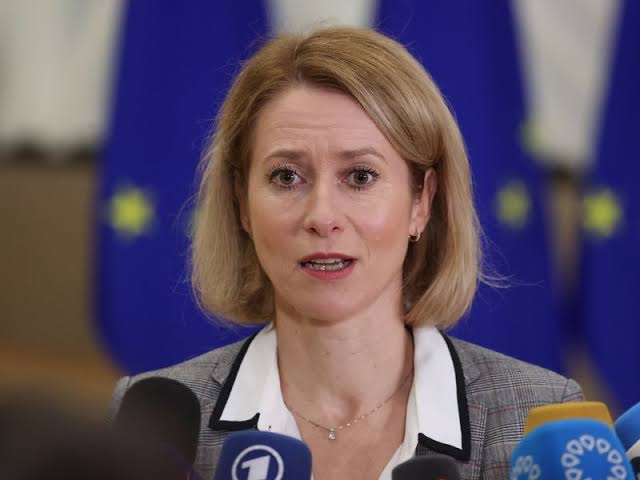
of Russian diesel. EU foreign policy chief Kaja Kallas warned that the move
would provide Moscow with additional revenue that could help it continue the
war. In a post on X, Kallas wrote that suspending restrictions on Russian
diesel would generate more income for Moscow. She stressed that this was not
the time to ease pressure on Russia and that Europe would not do so.
Kallas further announced that EU foreign
ministers would approve the largest set of sanctions listings on Monday as part
of the bloc’s 22nd sanctions package. Earlier, on October 8, European
ambassadors had approved the blacklisting of more than 1,500 companies and
individuals linked to military and dual-use goods. The United States recently
suspended restrictions on Russian diesel imports and secondary sanctions
related to its sale on the global market. President Donald Trump defended the
arrangement, thanked Russian President Vladimir Putin and described it as a
major deal. The European Union’s firm response highlights growing differences
within the Western alliance over sanctions policy toward Russia. The
disagreement raises questions about how closely Washington and its European
partners will coordinate their economic pressure on Moscow as the war
continues.