The United Nations has warned
that devastating floods in Nepal have destroyed entire areas and that similar
disasters could occur in other parts of the Himalayas as a result of climate
change. Sara Netzer, Regional Director of the United Nations Office for Project
Services (UNOPS), which provides services related to infrastructure,
procurement, and the management of humanitarian and development projects, told
reporters in Geneva after returning from a visit to Nepal that, normally, local
communities begin rebuilding their homes and settlements within two to three
weeks after a natural disaster. However, this is not possible in Nepal.
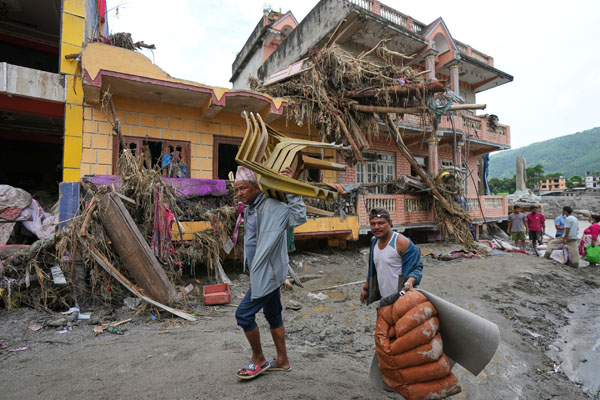
In late August, floods and
landslides triggered by the sudden collapse of a glacier killed more than 1,200
people. Several houses were swept
away along with their foundations and carried as far as 150 meters. People who
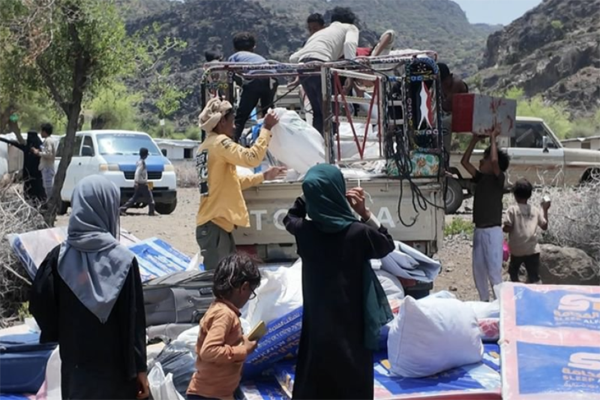
have been left homeless are now living in temporary facilities that the
Nepalese government calls holding centers. The organization’s team visited some
of these centers, where clean water and basic sanitation facilities are
urgently needed. Many
displaced people are currently living in school buildings, while authorities
want the schools to reopen. Therefore, providing temporary accommodation on an
emergency basis is also an urgent need. Many children have lost their parents
and are now living in these temporary centers.
She said that prospects for
reconstruction in Nepal do not appear particularly encouraging. The river has
completely changed its course, making it unclear which locations would be safe
for these communities to rebuild and return to. The ground has not yet fully
stabilized, so reconstruction cannot currently be considered. The organization has released funding for
engineering assessments, mapping infrastructure-related risks, and analyzing
the safety of bridges. Restoring transportation across rivers and streams is an
extremely important issue, as only one of the 40 bridges has survived. As a
result, several communities have been cut off from one another.
The World Food Programmed
(WFP) has been forced to rely on helicopters to deliver life-saving assistance
to affected areas. Sara Netzer said that, overall, this is a crisis with an
enormous human cost as well as a very heavy toll in terms of infrastructure
destruction. She said the scale of the devastation was something she had not
witnessed even after Nepal’s devastating earthquake in 2015. People who spoke
with the UNOPS team expressed serious concern about reconstruction and the
psychological impact resulting from the disaster. They said they had lost
everything, including their loved ones, and that many people were still
missing. Sara Netzer said that
what is being witnessed in Nepal could also occur in other parts of the
Himalayas as a result of climate change. She said that while the crisis is
affecting Nepal today, there is a strong possibility that another community or
country could face a similar crisis in the coming days.