China has urged the United
States and Iran to return to the Islamabad Memorandum of Understanding
and resume the negotiation process based on the points agreed upon under the
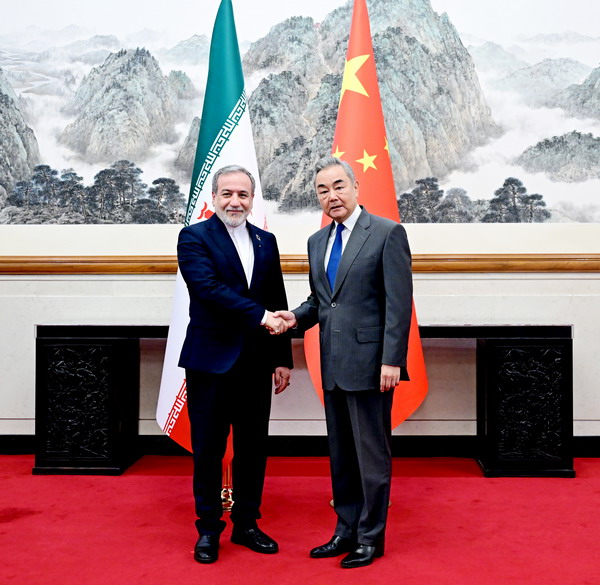
memorandum. According to British news agency Reuters, Chinese Foreign Minister Wang
Yi made the remarks during a meeting with his Iranian counterpart, Seyyed
Abbas Araghchi, in Beijing. According to the Chinese Foreign Ministry,
Wang Yi said that the United States and Iran should adopt a rational approach,
exercise restraint, and engage in meaningful negotiations on issues of mutual
concern. Wang Yi said that prolonging the war between the United States and
Iran was not in the common interest of the two sides or the international
community. China urged both countries to return to the Islamabad Memorandum as
soon as possible, reactivate the negotiation framework based on the consensus
reached so far, and engage in meaningful consultations on their respective
concerns.
China Calls for Reopening the Strait of Hormuz
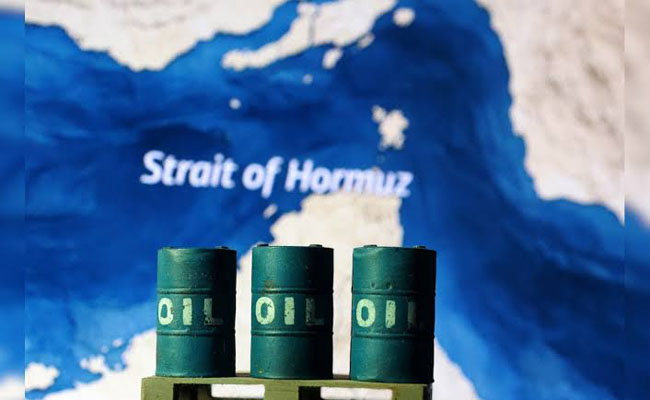
Wang Yi also called on all
relevant parties to take effective measures to reopen the Strait of
Hormuz as soon as possible. He said it was essential to maintain the
safety and smooth flow of international maritime routes and ensure the
stability of global energy transportation and supply chains. China also
expressed concern that tensions in the Middle East could spread further to
Yemen and the Red Sea. Beijing urged all parties to avoid further complicating
the situation and called for disputes to be resolved through dialogue and negotiations.
China to Play Role in Protecting Iran’s
Legitimate Rights
Wang Yi said that, as a
permanent member of the United Nations Security Council, China
was ready to play a constructive role in resolving international disputes. He
said that China and Iran are comprehensive strategic partners and that Beijing
is prepared to further strengthen dialogue and cooperation with Iran and help
protect its legitimate rights and interests. The meeting took place as
diplomatic activity surrounding the Iran issue intensified ahead of an expected
meeting between Chinese President Xi Jinping and U.S.
President Donald Trump in Washington next week.
New Images Show Extensive Damage to U.S. Bases
from Iranian Strikes
Meanwhile, U.S. broadcaster CBS
News has released new images obtained from active-duty U.S. military
personnel showing damage to American military facilities, buildings, vehicles
and aircraft across the Middle East. According to CBS News, one image from Prince
Sultan Air Base in Saudi Arabia shows the rear section of a Boeing E-3
Sentry aircraft apparently destroyed. Other images from Camp Behring in
Kuwait and other U.S. facilities also show damage to buildings and
vehicles. According to a report by the U.S. Department of Defense
Inspector General, the U.S. military suffered equipment losses of up
to $3.7 billion during the war with Iran, including nearly 60
aircraft. The report said Iran targeted U.S. bases in Kuwait, Bahrain,
Qatar, the United Arab Emirates, Saudi Arabia, Iraq, Oman and Jordan.
Background of the Islamabad Memorandum
The Islamabad
Memorandum of Understanding emerged in June 2026 as a framework for a
ceasefire and negotiation process between the United States and Iran, with
Pakistan and Qatar playing the role of mediators. On June 18, Pakistani
President Asif Ali Zardari welcomed the understanding,
describing it as an important development for the region and the world. Later,
according to a joint statement issued by Pakistan and Qatar on June 22,
high-level talks were held in Lucerne, Switzerland, with
representatives from the United States, Iran, Pakistan and Qatar in attendance.
The participants agreed to establish procedures for technical negotiations and
set up a high-level committee to provide political oversight of the mediation
process.
China’s call for a return to
this same framework comes at a time when the ongoing war between the United
States and Iran has affected not only regional security but also global energy
supplies and maritime trade. The situation in the Strait
of Hormuz is particularly important for global oil and gas supplies.
Against this backdrop, Beijing has placed special emphasis on reopening the
strait and maintaining and restoring international maritime traffic.