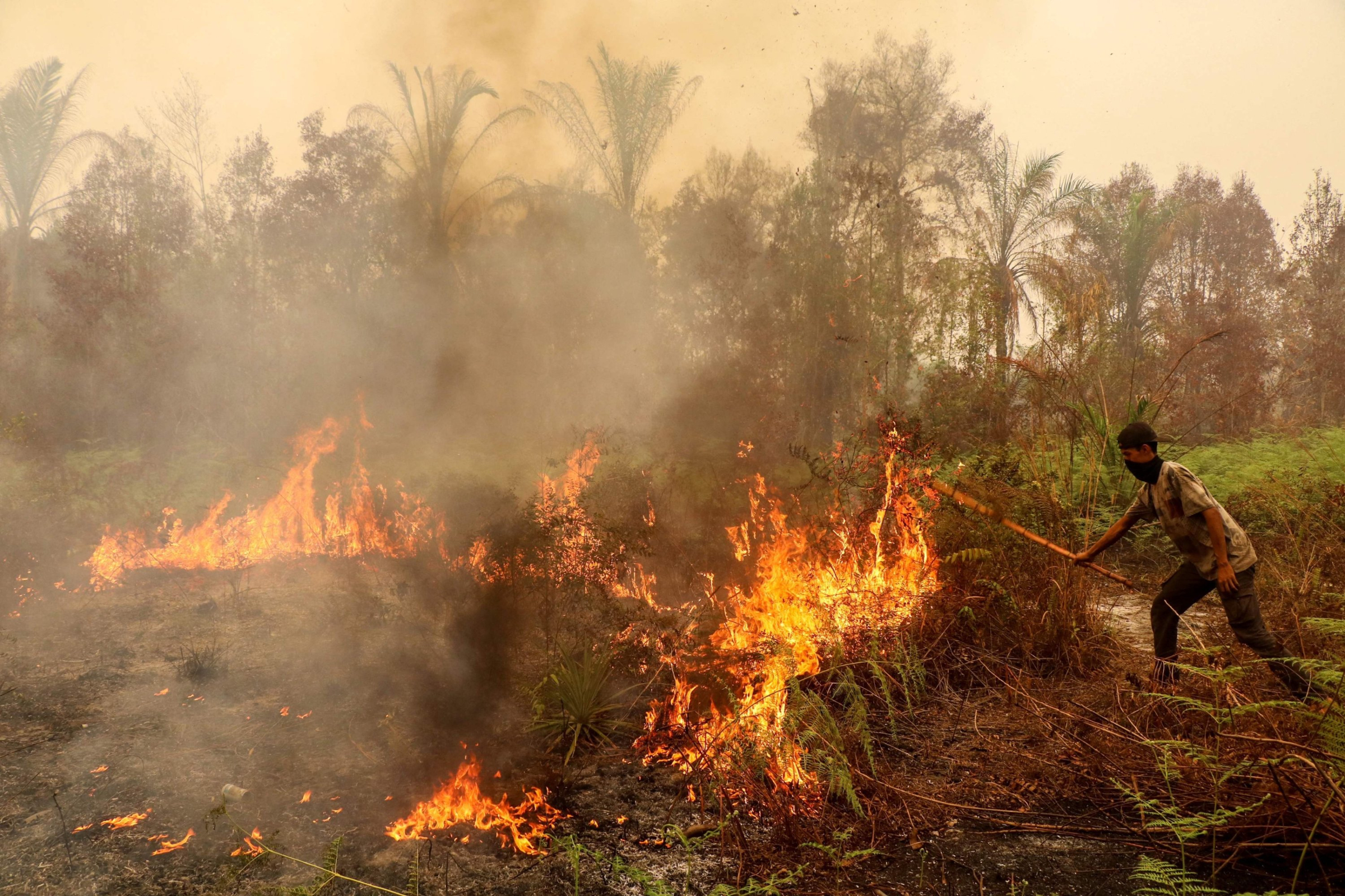
Forest fires burning across forests, wetlands and
peatlands on Indonesia’s island of Borneo have triggered a severe air pollution
crisis. Toxic smoke from the fires, which have continued for months, has
affected not only Indonesia but also parts of Singapore, Malaysia and the
Philippines. According to satellite data, approximately 1.9 million hectares of
land in Indonesia have been affected by fires since the beginning of this year,
with an estimated one million hectares burned in September alone.
According to Indonesia’s Ministry of Health, more
than 277,000 cases of coughing and severe respiratory illnesses had been
reported by mid-October, including more than 62,000 children under the age of
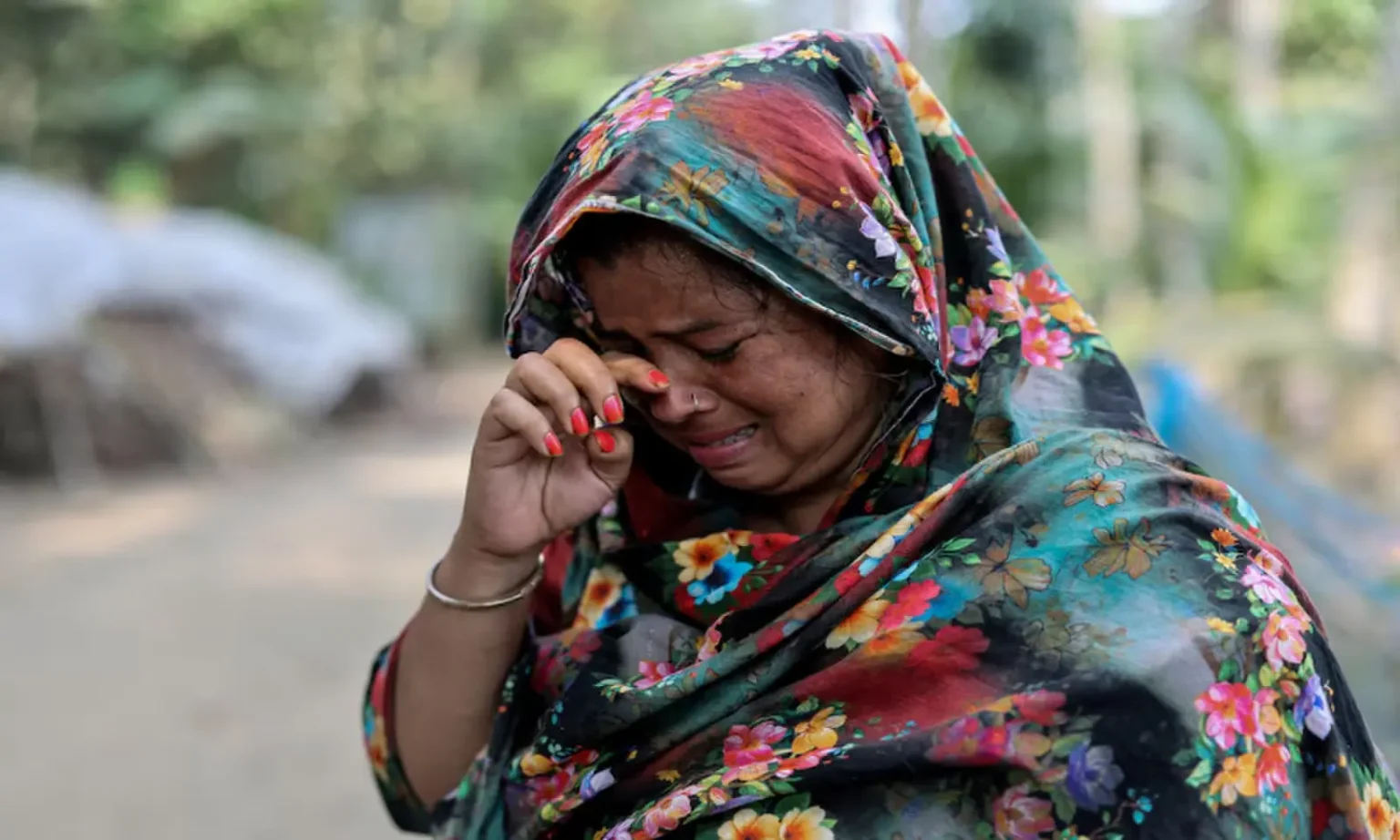
five. Residents of Palangkaraya, a city in Central Kalimantan, are facing
serious difficulties because of the toxic haze. Dianyra Eka Nastiti, a mother
of three, said her youngest daughter had to be hospitalized for a lung
infection when she was just six weeks old. She continues to worry about her
child’s health every night.
Local residents say persistent smoke has
contributed to a rise in coughing and respiratory illnesses among children.
Experts warn that the extremely fine particles in the smoke can penetrate deep
into the lungs, causing inflammation, increasing the risk of chronic
respiratory diseases and potentially leading to premature death. Children,
older people and pregnant women are considered particularly vulnerable to the
effects of air pollution.
The government has taken several measures to
extinguish the fires, including aerial firefighting operations, water spraying
and artificial weather modification. Last week, officials claimed that more
than 60,000 personnel had been deployed to combat the fires and that they had
achieved an 80 percent success rate in extinguishing newly emerging fires.
However, emergency crews continue to face serious
challenges. Fires in peatlands can remain smouldering beneath the surface even
after the visible flames have been extinguished, allowing them to reignite.
Firefighter Fauzi Rahman explained that while crews can extinguish fires across
20 hectares of ordinary land in a single day, peatland fires require water to
reach deep underground layers, a process that can take several months.
Prolonged drought has also caused water shortages, further complicating
firefighting operations.
Experts say that this year’s extreme weather
conditions, associated with a developing Super El Niño, have intensified drought
and delayed rainfall, making it more difficult to control the fires. Dr. Nisa
Novita, an expert working on forest and peatland conservation, has warned that
fires are now spreading into areas where such incidents were not previously
observed.
Meanwhile, the smoke has forced residents to
remain indoors, continue their children’s education online and cope with
difficulties earning a living. Farmers in rural areas, daily wage labourers and
small business owners are either being forced to stop working or putting their
health at risk by continuing to work in the toxic air.