Environment
Women Face Barriers to Leadership, Economic Opportunities and Protection: UN
Gender equality is progressing at an extremely slow pace, according to the United Nations.
- Reading time
- 5 min read
- Published
- 14 Nov 2026, 19:51


Environment
Gender equality is progressing at an extremely slow pace, according to the United Nations.
A new United Nations report warns that the world is falling seriously behind in achieving gender equality, and that at the current rate of progress, it could take another 171 years to reach this goal. Men continue to dominate political structures, economic sectors and the highest legal positions, while women face systemic barriers rather than equal opportunities for leadership. Around the world, women also face serious challenges, including domestic and sexual violence, child marriage and harmful practices, while financial resources to address these issues are steadily declining. In conflict zones, women are disproportionately exposed to violence and insecurity, despite playing a crucial role in peace building and crisis response. UN officials insist that the equal participation of women is essential for sustainable peace, democracy and development, stressing that investment in this area is not a favour but a fundamental necessity for humanity.
Is the international community genuinely moving towards building a world where men and women enjoy equal rights, protection and opportunities? It is commonly assumed that gender equality will eventually be achieved with the passage of time. However, the latest United Nations figures completely dispel this misconception. The recently released UN report, Gender Snapshot 2026, and a video address by UN High Commissioner for Human Rights Volker Türk to the Women, Peace and Security Forum 2026, organized by the International Civil Society Action Network in The Hague, have drawn global attention to a bitter reality: progress towards gender equality worldwide is not only slow but has reached a dangerously stagnant level. At the current rate of progress, the world will have to wait another 171 years to achieve full gender equality. Even more alarming is the fact that none of the targets under the United Nations' Sustainable Development Goal 5 (SDG 5), which aims to eliminate gender inequality by 2030, appears likely to be achieved on schedule. This situation clearly indicates that the problem is not a lack of time but a failure of global priorities.
The Sustainable Development Goals included ending all forms of legal and social discrimination against women, eliminating gender-based violence, ending child and forced marriages and harmful practices, and ensuring women's full participation in economic and political life, as well as equal property rights.
However, the findings of the UN report are deeply revealing:
Commenting on the report's findings, UN Under-Secretary-General for Economic and Social Affairs Li Junhua emphasised that the 171-year delay is neither a natural setback nor a historical accident. Rather, it is the direct consequence of political inertia, deliberate policy decisions and persistent funding cuts.
The overwhelming dominance of men in the highest levels of political and economic decision-making remains one of the biggest structural barriers to gender equality. The report reveals a severe imbalance in the global distribution of power. Men currently lead the governments of six out of every seven countries worldwide. The financial cost of entering politics is so high that, in some countries, substantial financial barriers prevent women from even entering the electoral race. Those who manage to overcome these obstacles face fierce opposition. In some countries, eight out of every 10 women contesting elections experience violence and harassment in public life.
Even when women secure positions in government, they are often kept away from portfolios involving national security and economic power. Globally, approximately nine out of every 10 defence ministers and more than eight out of every 10 finance ministers are men. The situation in the corporate world and judicial system is equally concerning. Women account for only six per cent of CEOs worldwide, while their representation among the heads of the world's highest courts remains below 20 per cent. When half of a society's population is excluded from state and economic decision-making, that society cannot credibly claim to uphold democracy and human rights. Equal representation of all citizens is, after all, a fundamental requirement of an inclusive democracy.
At a time when global crises are intensifying, financial resources allocated to gender equality are being drastically withdrawn. Overall cuts in international development assistance have pushed funding for programs addressing gender inequality to its lowest level since 2021. As a result of this severe funding shortage, 42 per cent of UN entities have acknowledged that their efforts to promote gender equality have been directly affected and weakened. These cuts effectively undermine the entire 2030 Agenda, as gender equality is not a secondary or additional expense. Rather, it is a fundamental requirement for the economic and social sustainability of any society.
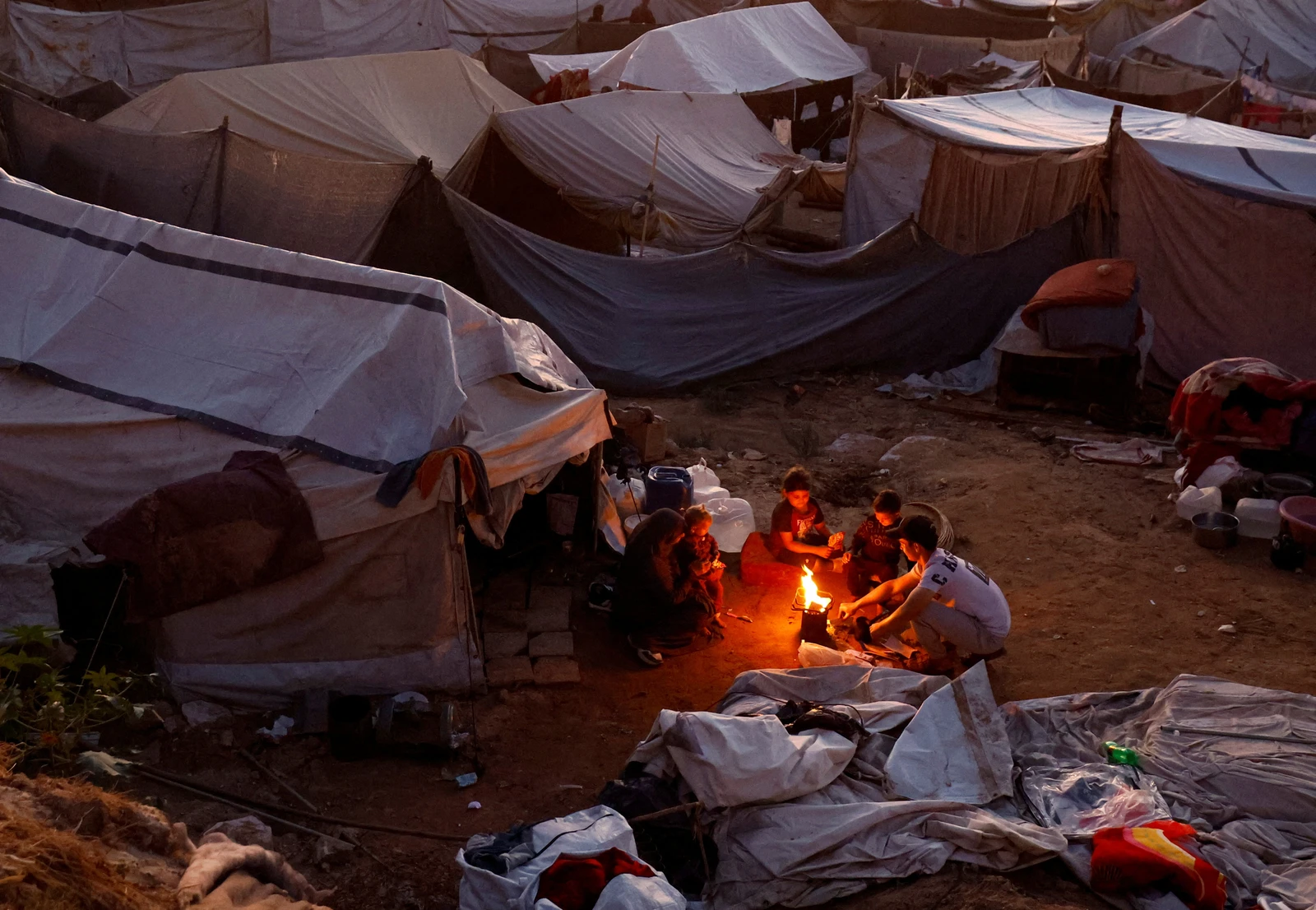
Volker Türk offered a fresh assessment of women's roles in armed conflicts and the impact of war on them. According to figures for 2024, approximately 676 million women and girls were forced to live within 50 kilometers of active conflict zones, the highest number recorded since the end of the Cold War. Women are disproportionately affected by wartime rape, abduction, human trafficking and sexual slavery. However, Türk strongly criticised the conventional tendency to portray women merely as "victims" or "survivors" of conflict.
He stressed:
"Women are not simply victims. On the contrary, across the world, even in the harshest and most violent environments, women continue to lead, organize, mediate and document violations." Volker Türk also challenged the traditional concept of national security, offering a broader perspective. According to him, genuine and sustainable security cannot be achieved through massive increases in military budgets, which consume resources that should otherwise be allocated to public health, education and essential services. Instead, real security rests on principles such as equality and non-discrimination, impartial and accountable institutions based on justice and fairness, economic and social justice, peaceful mediation, and governance founded on respect for human rights.
The projected 171-year wait is clear evidence that the world is currently heading in the wrong direction. The United Nations data demonstrate that achieving gender equality is not simply a matter of the passage of time; it depends on the choices made by governments, institutions and political leaders. Volker Türk's statement serves as a fundamental guiding principle for the international community: "Gender equality is not a favour that men do for women. It is fundamental to humanity and benefits everyone."