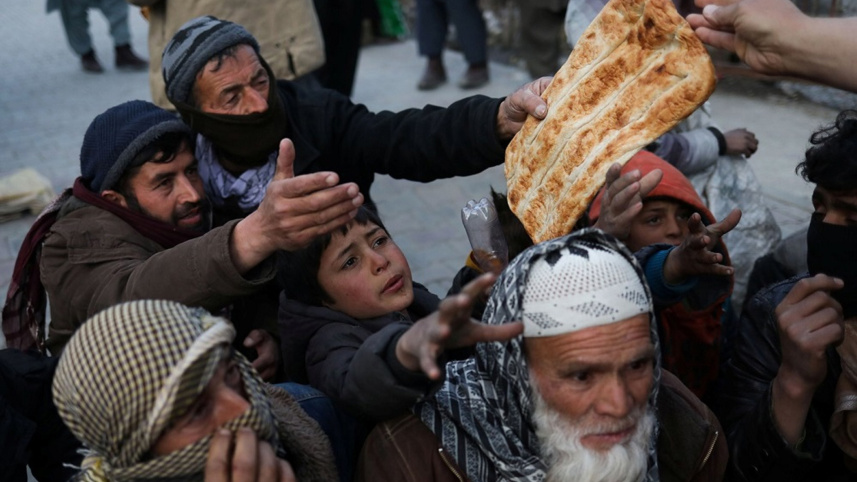
The food crisis in Afghanistan is expected to
worsen during the winter months, the United Nations has warned. According to
the international organization, 19.2 million people in Afghanistan could face
acute food insecurity during the winter period from November to April, while
around five million people could experience emergency levels of hunger.
The United Nations Office for the Coordination of
Humanitarian Affairs (OCHA) has warned that the situation could become
extremely alarming for affected communities, requiring urgent food assistance.
Speaking to journalists in Geneva, OCHA spokesperson for Afghanistan Olga
Cherevko said the number of people facing food insecurity in the country was
expected to rise during the winter months.
According to Cherevko, 19.2 million people could face acute food
insecurity and inadequate access to food between November and April. Of these,
approximately five million could experience emergency levels of hunger,
considered one of the most severe stages of food insecurity and just one step
away from famine.
The UN warning comes as the arrival of winter is
expected to intensify concerns over food availability and the delivery of
assistance to vulnerable families across Afghanistan. During the colder months,
people already struggling with food shortages may also face difficulties meeting
other basic needs. Ensuring that timely assistance reaches the most vulnerable
households remains a major challenge for humanitarian organizations under such
conditions.
According to the report, an estimated 19.2
million people could be affected by acute food insecurity, while five million
face the risk of emergency levels of hunger. These figures highlight the scale
of food assistance that may be required in Afghanistan during the coming winter
months. However, the projections concern the anticipated situation and do not
mean that all those people are currently experiencing the same level of hunger.
The policies of Afghanistan’s Taliban government
and its capacity to address the country’s humanitarian needs are also relevant
to the broader situation. However, in the statement provided, the OCHA
spokesperson did not directly attribute the projected deterioration in food
security to any specific government decision. It is therefore important to
distinguish the United Nations’ humanitarian warning from political criticism
of the authorities when assessing the severity and causes of the crisis.
With food shortages potentially worsening during
the winter, the need for humanitarian assistance in Afghanistan could increase
significantly. According to the UN’s concerns, ensuring timely food deliveries
and maintaining relief operations will be crucial to preventing millions of
people from reaching emergency levels of hunger in the coming months. The
period from November to April could prove critical for food security in
Afghanistan.