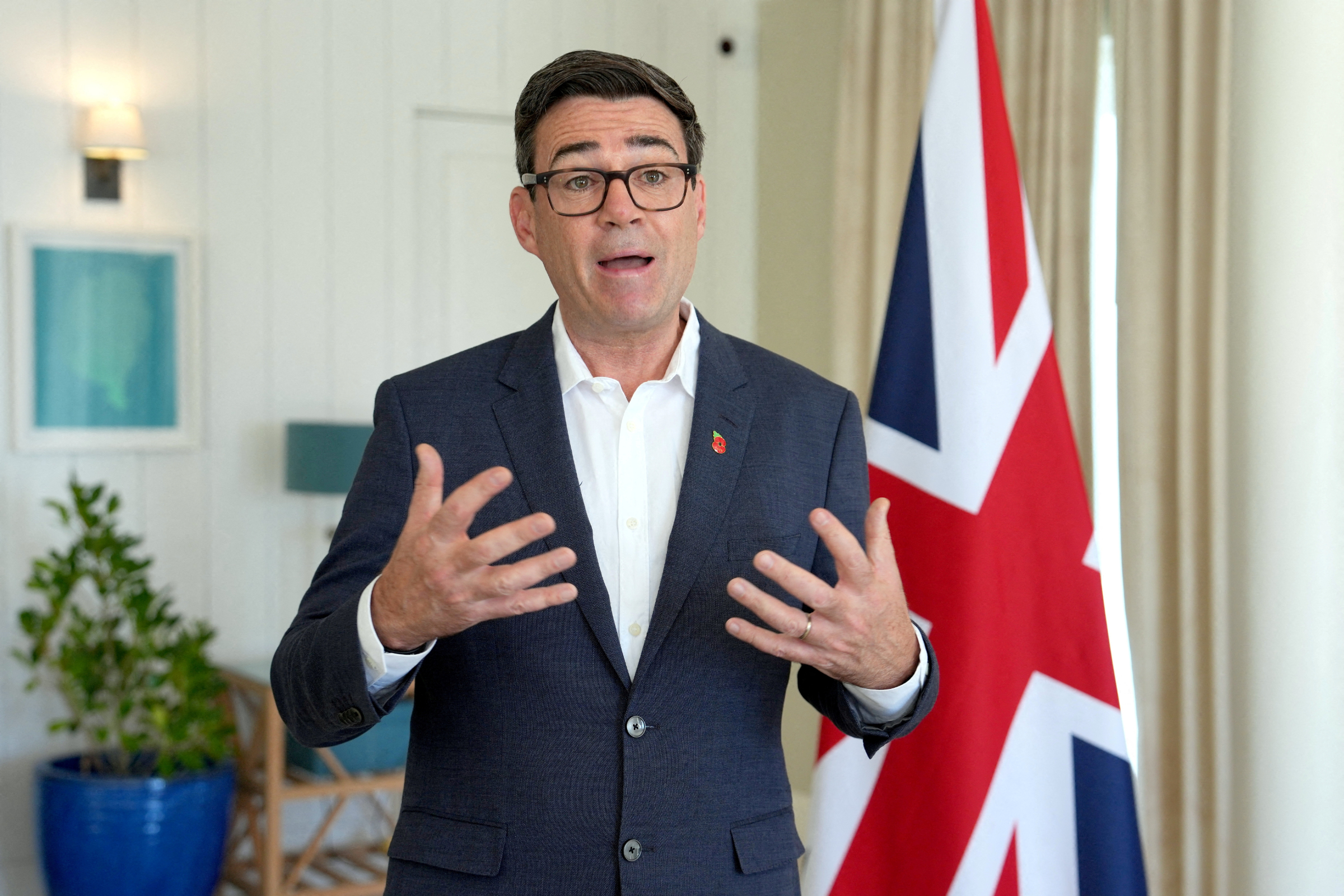
British Prime Minister Andy Burnham has begun
taking concrete steps to improve relations with the European Union following
Brexit, describing the existing Brexit agreement as “broken” and saying that
closer ties with Europe could deliver better economic outcomes for Britain. According
to the British government, Prime Minister Burnham will attend the second UK-EU
summit in Brussels on November 20, where he will meet European Council
President António Costa and European Commission President Ursula von der Leyen.
Following the first summit, held in London in May 2025, the meeting will review
progress in bilateral relations and seek to deepen practical cooperation in trade,
defence, energy, migration and climate change.
Burnham has explicitly stated that “the broken Brexit deal has damaged
our economy. Britain can do much better.” He said he would push for practical
measures at the summit that deliver tangible benefits for the British public,
including reducing costs for farmers, food producers and households.
“The European Union is our closest neighbour,
biggest market and an important security partner,” he said. Ahead of the summit, both sides have made
progress on draft agreements covering several areas. According to the British
government, they have agreed on a draft deal to remove post-Brexit checks on
food and agricultural exports. Similar draft texts covering an emissions
trading system and youth mobility arrangements, allowing young people to travel
and work across borders, have also been sent to EU member states. The British government claims that the
agreement could eventually generate £51 billion in annual benefits for the UK
economy. However, Burnham has made it clear that Britain will not rejoin the EU
single market or customs union, nor restore freedom of movement. He also ruled
out any major changes to UK-EU relations before the next general election,
which is due by 2029. The Labour Party's
2024 election manifesto pledged that Britain would not return to the single
market, customs union or freedom of movement.
The Conservative Party leadership has criticised
the government's approach, accusing Labour of attempting to “drag Britain back
into the European Union through the back door.” Conservative MP and former
minister Priti Patel said: “Andy Burnham's obsession with the European Union
risks dragging Britain backwards, damaging our economy and leaving hardworking
British taxpayers to foot the bill.” The
Liberal Democrats described the draft agreement as “a sticking plaster, not a
cure,” arguing that “the real solution is to rejoin the single market and
establish a customs union with the European Union.” The Green Party has also
called for Britain to rejoin the customs union.
These developments come as the British economy continues to face
pressure from post-Brexit arrangements. The government must balance addressing
the economic consequences of Brexit with reducing the additional burdens on
British businesses, farmers and exporters, while avoiding major political
concessions that could undermine the UK's ability to make independent
decisions.