The Israeli parliament, the Knesset, on Tuesday
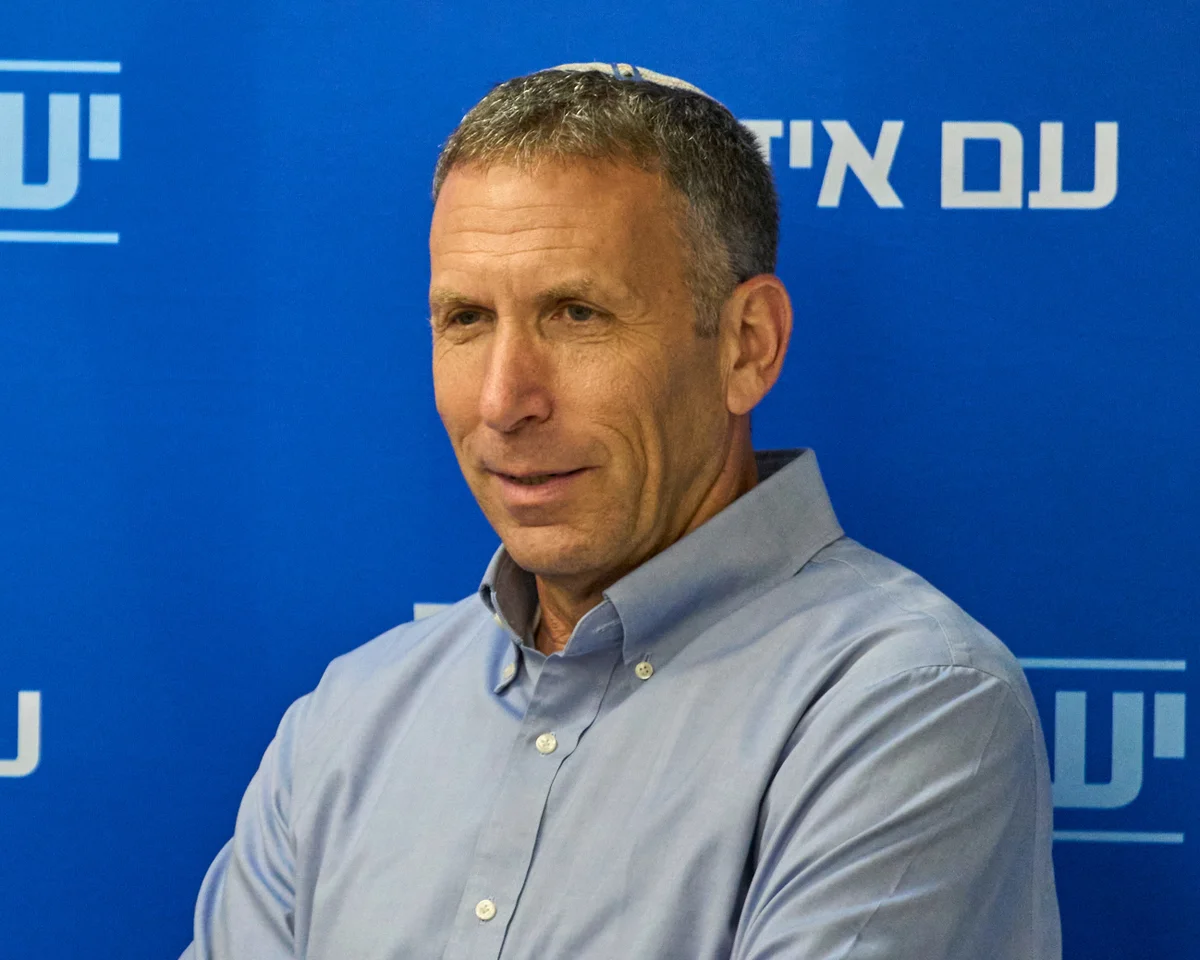
elected Matan Kahana, a member of Gadi Eisenkot's Yashar Party, as its 26th
speaker. He replaces Amir Ohana of Prime Minister Benjamin Netanyahu's Likud
Party. According to a Knesset spokesperson, Matan Kahana received the support
of 66 lawmakers, while 52 members voted in a separate ballot in favour of Likud
candidate and government coalition chief whip Ofir Katz. The two candidates
were subjected to separate votes rather than a direct contest. The election
marks a significant parliamentary breakthrough for the opposition alliance led
by Eisenkot. Following the October 27 elections, Netanyahu's coalition,
comprising right-wing and ultra-conservative religious parties, was reduced to
just 53 seats in the 120-member parliament, while the opposition secured 67
seats. The opposition's total includes 48 seats held by four Jewish parties and
19 seats held by two Arab parties, the Joint List and Ra'am.
Earlier this month, President Isaac Herzog
assigned Gadi Eisenkot the task of forming a new government. He could be given
an additional four and a half weeks to form a government to replace Netanyahu,
although political differences and coalition-building challenges remain major
obstacles. For now, the opposition is seeking to gain greater control over key
parliamentary positions, committees and the legislative agenda in order to
oversee Netanyahu's caretaker government and limit its decisions. Eisenkot
described Kahana's election as a "democratically correct move",
saying the change reflected the clear majority of lawmakers who had voted in
favour of change.The opposition has also appointed interim heads of important
parliamentary committees, including those dealing with finance and defence.
Avigdor Lieberman, leader of the opposition party Yisrael Beiteinu and head of
the Foreign Affairs and Defence Committee, has announced plans to summon all
security chiefs for briefings. One of the opposition's key priorities is to
reverse the judicial reform plans introduced by Netanyahu's previous
government. The proposals triggered widespread protests across Israel in 2023.
Critics argued that the measures would weaken democratic institutions and limit
judicial oversight of the government.
The opposition has established committees to
repeal legislation changing the procedure for appointing judges and restricting
the powers of the attorney general. Its agenda also includes reversing changes
to media laws and establishing a state commission of inquiry into the failures
surrounding the October 7, 2023 attacks. Netanyahu's supporters opposed
Kahana's election and objected to the backing he received from Arab parties.
Following the vote, Likud described the development as a regrettable chapter in
the history of the Knesset and labelled the Arab parties "supporters of
terrorists".However, forming a new government to remove Netanyahu remains
a difficult task. Eisenkot is seeking to establish a government based on the 48
seats held by the four Jewish opposition parties, with Arab parties providing
support from outside the coalition. Lieberman,
meanwhile, opposes a government that depends on Arab parties for support and
favours negotiations with religious parties such as Shas and United Torah
Judaism. Former Prime Minister Naftali Bennett is also considering the
possibility of forming an alliance with Netanyahu's Likud Party. However,
Netanyahu has insisted on retaining the premiership as a condition for any such
arrangement, a demand Eisenkot has already rejected. These competing positions and political
differences have further complicated the prospects of forming a new government.