The International News MagazineTOKYO-SEOUL-MANILA-HK
Global cultural consortium creates blockchain-verified digital archive for vulnerable heritage collections — Weekly Newstime
Culture · Worldwide
Global cultural consortium creates blockchain-verified digital archive for vulnerable heritage collections
Museum conservators across 30 nations deploy 3D sub-millimeter laser scanners and encrypted metadata to preserve endangered cultural artifacts for future generations.
In a landmark initiative to safeguard human heritage against natural disasters, urban conflict, and environmental degradation, a consortium of 50 major international museums has launched the Global Heritage Repository. Spearheaded by cultural preservationists across 30 nations, the project creates immutable, high-resolution 3D digital twins of over 5,000 vulnerable historical artifacts and architectural structures, securing cultural treasures for future generations across every continent.
Using non-invasive sub-millimeter 3D laser scanners and multi-spectral photogrammetry equipment, conservators capture exact volumetric geometry, surface texture, and pigment chemistry down to a resolution of 15 microns. The digitized collection spans ancient mesopotamian clay tablets, delicate renaissance parchment manuscripts, indigenous oceanian wood carvings, and endangered coastal heritage monuments, establishing a universal archive of human creativity and technical mastery.
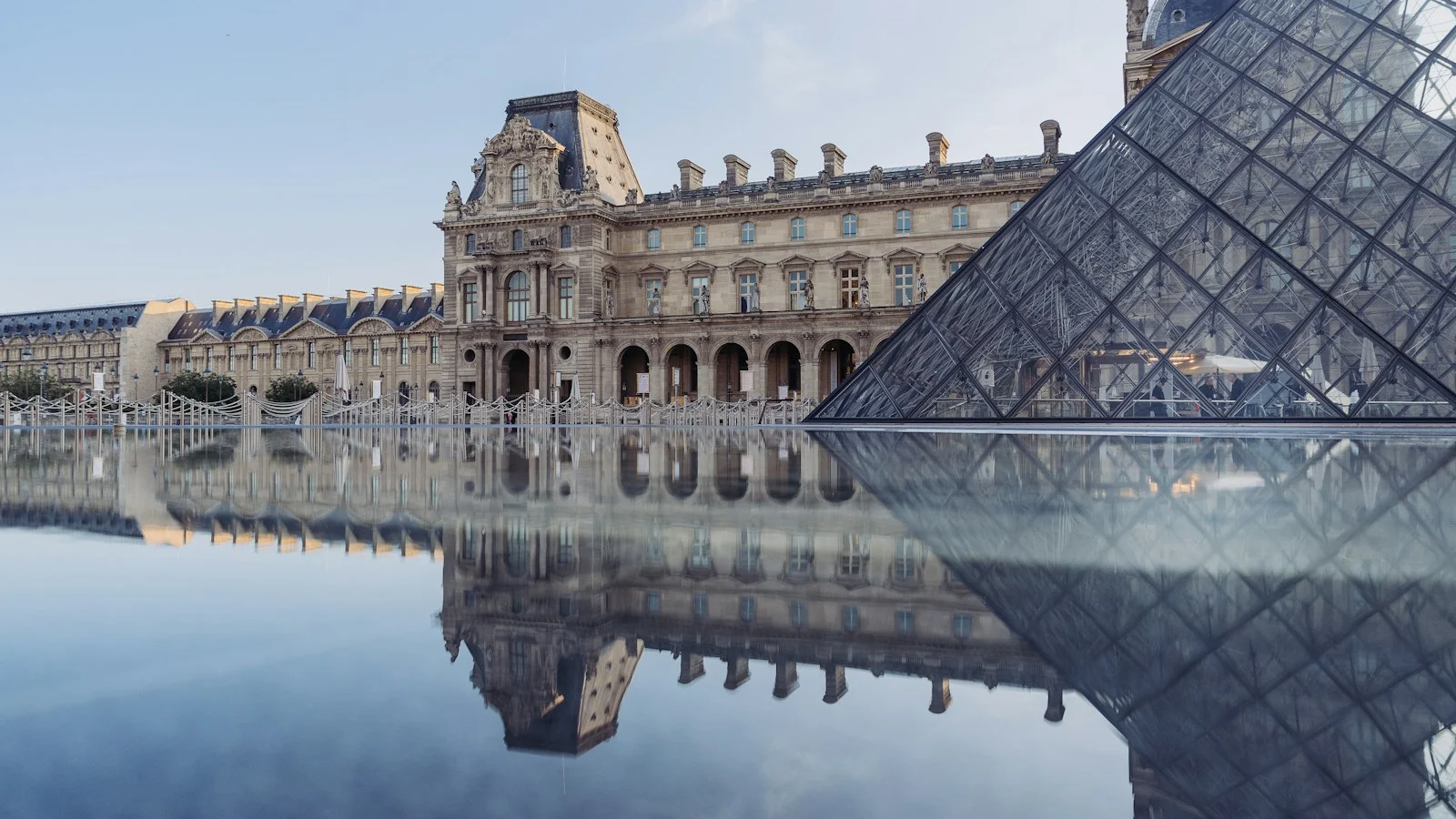
Sub-millimeter 3D laser digitisation and multi-spectral imaging
To ensure the digital archive remains tamper-proof and authentic, each 3D model is registered with a cryptographic hash on a decentralized open-access blockchain ledger. The digital provenance certificate records precise scan timestamps, conservator identity credentials, and ownership history, establishing an unalterable audit trail that prevents digital forgery and protects original cultural custodians.
Cultural experts emphasized that multi-spectral imaging techniques have unlocked historic secrets previously invisible to the human eye. In several ancient codices, specialized infrared light revealed erased underlying text and hidden artist sketches beneath centuries of paint layers, offering historians revolutionary insights into ancient artistic practices and forgotten historical narratives.
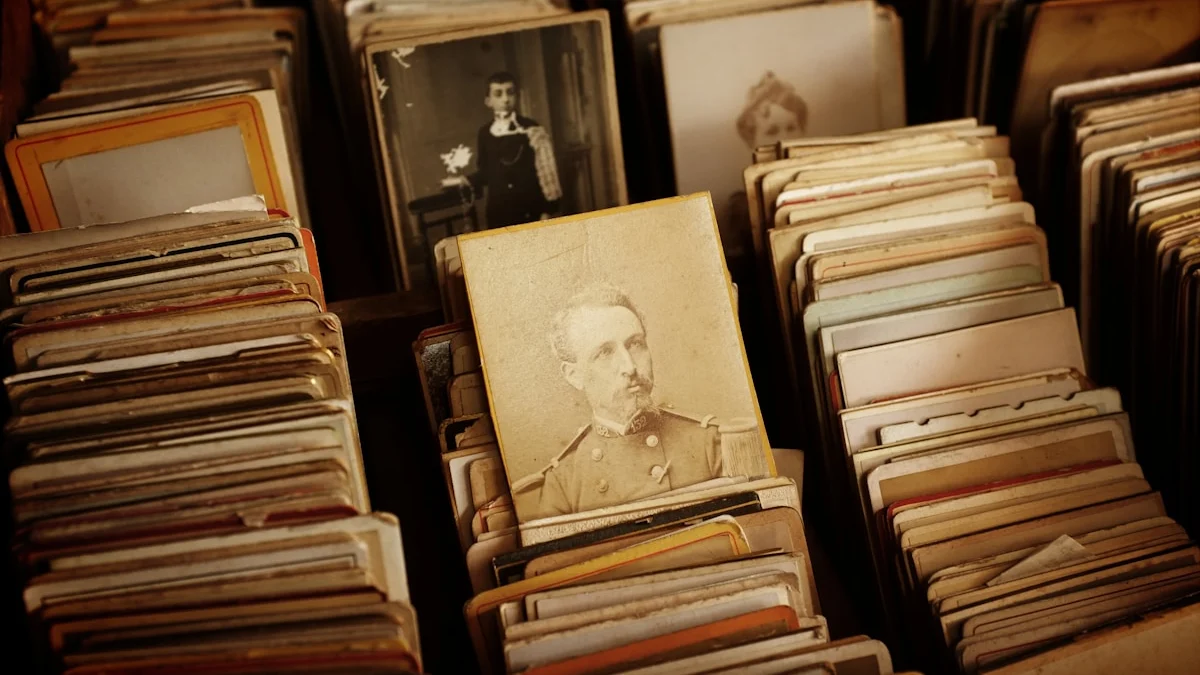
Multi-spectral imaging uncovers faded inks and underlying text on ancient parchment manuscripts.
Cryptographic metadata verification and open-access repositories
The digital repository operates under an open-access mandate for academic research and educational public exhibition. Scholars, university historians, and museum curators worldwide can download volumetric model files to perform structural stress analysis, pigment composition modeling, or virtual reconstruction, democratizing heritage research across developing nations without requiring expensive physical travel.
In addition to scholarly research, the digital twins serve as vital disaster insurance. In the tragic event that physical artifacts suffer structural damage or destruction during earthquakes or fires, master conservators can utilize the sub-millimeter models to drive robotic carving tools or 3D ceramic printers for accurate physical restoration, preventing permanent cultural loss.
Participating institutions in developing nations received full digital hardware suites and training grants to digitize indigenous regional collections locally. This decentralized approach ensures that sovereign nations maintain complete intellectual control over their digitized cultural heritage, facilitating digital repatriation without physical transit risks or jurisdictional disputes.
Disaster preservation resilience and global museum repatriation
Museums have begun integrating the digital archive into public interactive exhibits. Visitors using haptic feedback controllers can 'touch' and rotate delicate 3,000-year-old artifacts in virtual glass cases, experiencing tactile details without risking physical damage to original museum pieces, enhancing public cultural engagement and educational outreach.
Open-access digital repositories enable researchers globally to inspect micro-details of preserved artifacts.
Plans are underway to expand the digitisation protocol to document endangered oral languages, traditional folk music performances, and ancestral intangible performing arts, ensuring that intangible heritage receives the same technological preservation as physical artifacts across global indigenous communities.
The creation of the Global Heritage Repository demonstrates how advanced digital technology can serve as an enduring bridge between past civilizations and future generations. Cultural leaders affirm that human history belongs to all humanity, and digital technology provides the ultimate tools to protect and share it universally.