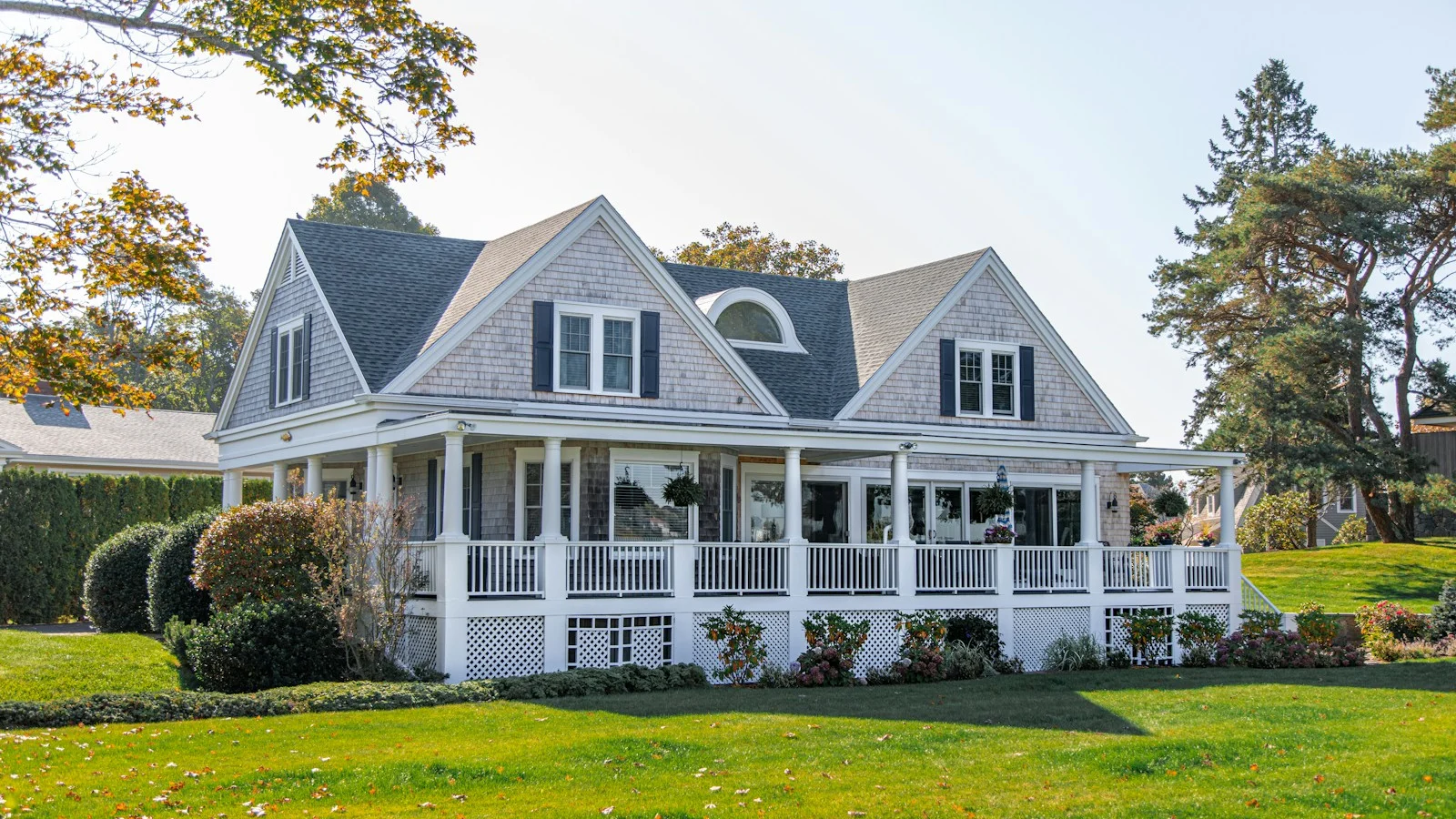
The Naya Pakistan Housing Development Authority has delivered 1,200 energy-efficient housing units to registered working-class families across suburban Lahore and Rawalpindi. Built utilizing modern compressed stabilized earth blocks (CSEB) and passive thermal cooling principles, the housing project sets a new benchmark for low-cost, sustainable urban community development.
Traditional brick-and-mortar housing construction creates high carbon emissions and offers poor thermal insulation against summer heatwaves. The compressed earth block architecture lowers interior ambient temperatures by 5 degrees Celsius, reducing household reliance on air conditioning.
Sustainable compressed earth architecture and thermal performance
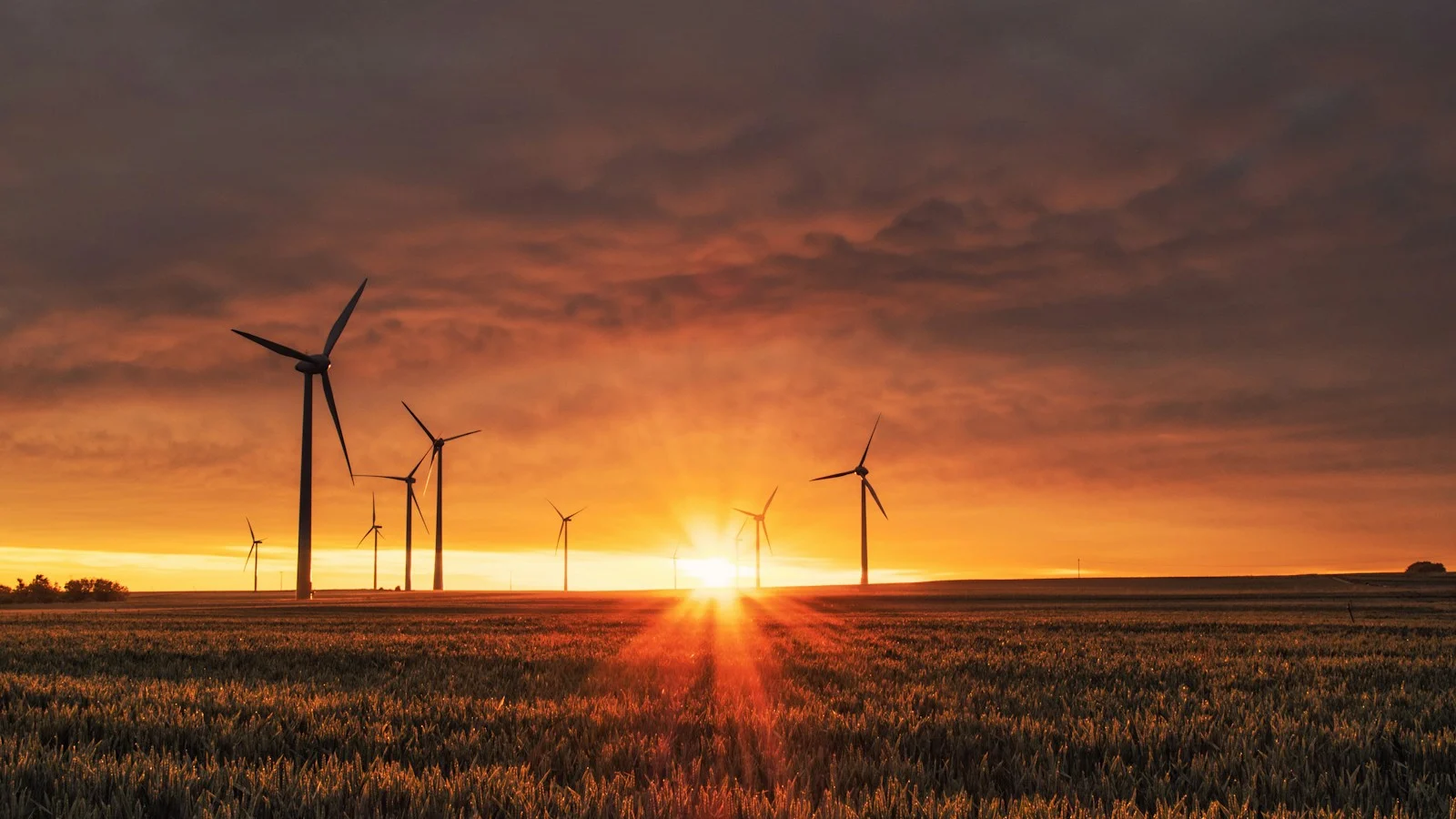
Rooftop solar panel installations supply clean electricity for home lighting, ceiling fans, and domestic water pumps, keeping monthly utility bills affordable for low-income wage earners.
Rainwater collection gutters integrated into rooflines feed underground filtration cisterns, providing clean domestic water for landscaping community parks and washing vehicles.
Compressed earth block walls lower interior temperatures by 5 degrees Celsius during summer heatwaves.
Solar grid integration and rainwater harvesting systems
Subsidized micro-mortgages provided through national commercial banks allow families to purchase their homes through manageable monthly installments equivalent to regional rental rates.
Community centers, primary health clinics, and vocational workshops were constructed within walking distance of all residential blocks.
Land titles and home ownership certificates are registered jointly in the names of both spouses, promoting gender equity and family financial stability.
Social inclusion metrics and low-interest mortgage financing
Civil engineers reported that compressed earth block technology reduced overall construction costs by 20 percent compared to conventional concrete framing.
Rooftop solar installations supply household lighting and fans, keeping monthly utility bills affordable.
Urban planning institutions praised the development as an exemplary model for addressing rapid urbanization and housing shortages across South Asian cities.
Sustainable low-cost housing is transforming lives in suburban Pakistan, providing dignified, climate-resilient homes for thousands of working families.