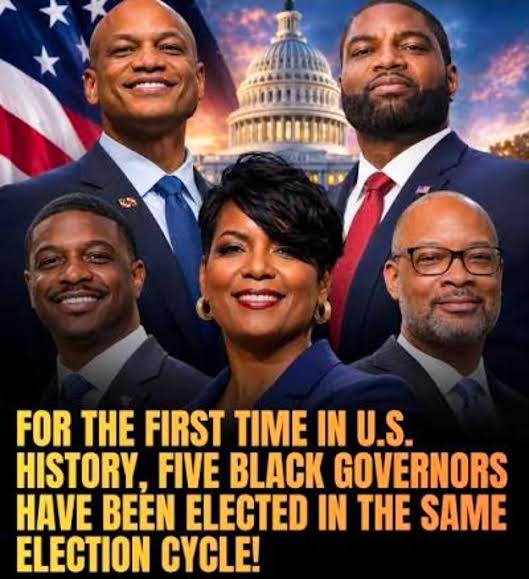
A new generation of Black Democratic lawmakers is
expected to enter the US Congress following the midterm elections, marking the
largest influx of newly elected Black Democrats in more than 30 years. Despite
Republican efforts to redraw electoral district boundaries, 13 new Black
Democratic members are set to join Congress in January. According to a Reuter’s analysis, this will
be the largest group of newly elected Black Democrats to enter Congress since
1993. Four of the incoming lawmakers are aged 34 or younger, while more than
half of the Black members of the House of Representatives were first elected in
2021 or later. The arrival of these new
lawmakers could bring changes to Democratic policies on issues such as voting
rights, reducing healthcare costs and addressing economic inequality. However,
their actual influence will depend on the representation they secure on key
congressional committees and their success in advancing legislation.
In the 435-member House of Representatives, Black
candidates have secured 58 seats for the next Congress, down from 61 in the
current Congress. Two additional Black candidates in Louisiana will compete in
the December 12 runoff elections. Black
representation in the Senate has also reached a record seven members. The
increase follows the victories of Democratic candidates Juliana Stratton of
Illinois and Scott Colom of Mississippi.
Meanwhile, four Black Republican members of Congress are leaving office,
leaving Senator Tim Scott as the only Black Republican serving in either
chamber of Congress.
The Congressional Black Caucus (CBC), an organization
representing Black members of Congress, is also expected to reach a record 64
members in the next session, up from its current membership of 62. According to the organization’s chairwoman,
Yvette Clarke, their members are facing growing public demands to take
effective measures to address inflation and the rising cost of everyday living.
Reuters reported that the arrival of a new generation of Black lawmakers will
also pose a test for Democratic Party leadership. Younger and more progressive
members may demand bolder policies from the party's leadership. However,
securing Republican support in the Senate will remain necessary for passing
legislation. US President Donald Trump also retains the power to veto
legislation approved by Congress.