Business
Libya Suffers $30.8 Million in Oil Revenue Losses
Libya has suffered losses of more than $30.8 million in oil revenue after an armed group shut down an oil pipeline for more than 20 days.
- Reading time
- 2 min read
- Published
- 22 Nov 2026, 21:17

Business
Libya has suffered losses of more than $30.8 million in oil revenue after an armed group shut down an oil pipeline for more than 20 days.
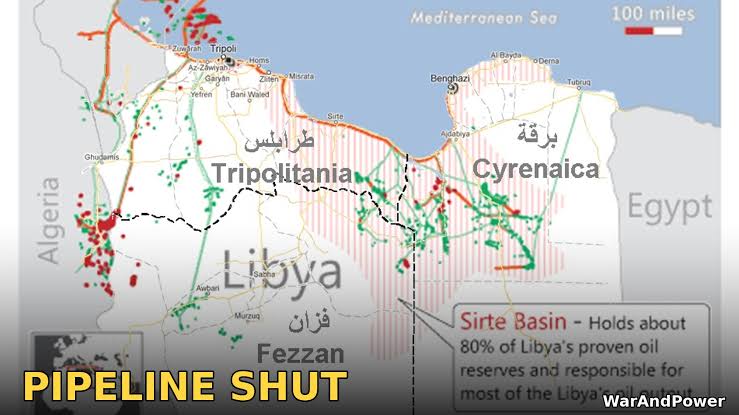
Tripoli: Libya has suffered losses of more than $30.8 million in oil revenue after an armed group shut down an oil pipeline for more than 20 days. According to Arab News, the National Oil Corporation (NOC) said on Saturday that the forced closure of the Hamada oil pipeline by an armed group for more than 20 days had cost the country over $30.8 million in lost oil revenue. The shutdown disrupted the transportation of more than 302,000 barrels of crude oil. According to the NOC, the pipeline closure reduced crude oil production by an average of 14,418 barrels per day, resulting in an estimated daily revenue loss of approximately $1.47 million. Based on average crude oil prices, the total loss amounted to 302,778 barrels, equivalent to $30.79 million.
The corporation said the losses also included the fixed operating costs of affected oil wells operated by Arabian Gulf Oil Company, including Hamada, NC5, NC8 and Tahira (NC4). The NOC called on the relevant authorities to intensify efforts to reopen the pipeline valve and prevent further attacks on oil facilities. The Hamada pipeline is a key part of Libya's oil transportation network. It connects the Hamada oil fields to the Zawiya Refinery, the country's largest refinery, which has a daily processing capacity of 120,000 barrels of oil. The latest shutdown comes amid repeated disruptions to Libya's oil infrastructure. On October 31, an armed group closed the valve on the main Hamada crude oil pipeline, halting oil supplies to Zawiya. This was the second disruption to the refinery's oil supplies this month.
At the time, the NOC warned that the shutdown could result in a daily loss of approximately 15,000 barrels of crude oil and appealed to the Petroleum Facilities Guard (PFG), which is responsible for protecting oil installations, to help reopen the valve. Since the 2011 uprising that ended the rule of longtime leader Muammar Gaddafi, Libya's oil production has repeatedly been disrupted by political disputes, security incidents and technical problems. Oil is the country's primary economic resource, accounting for approximately 90 per cent of its economy. Libya holds Africa's largest proven crude oil reserves, making the sector crucial to government revenues and efforts to restore the national economy.