The United Nations-led COP31 climate
conference, held in Antalya, Türkiye, to address global climate change, ended
without a final agreement after the European Union and several other countries
rejected the draft outcome jointly presented under the leadership of Türkiye
and Australia, describing it as inadequate to tackle global warming.
According to Reuters, negotiations continued for more than two weeks and
extended two days beyond the scheduled deadline. However, countries failed to
reach a consensus on reducing fossil fuel use and providing climate finance.
Conference President Murat Kurum told the closing session that reaching an
agreement no longer appeared possible and that he would not present a new
draft. He said that 196 countries had to make a decision and that their
decision would be respected. He subsequently left the stage while
representatives of participating countries were still delivering their
speeches. Australia's Climate Change and Energy Minister and negotiating
president, Chris Bowen, described the conference's failure as extremely
disappointing, saying that disagreements over fossil fuels and climate finance
had been major obstacles to reaching an agreement.
European Union and Panama
Reject the Final Draft
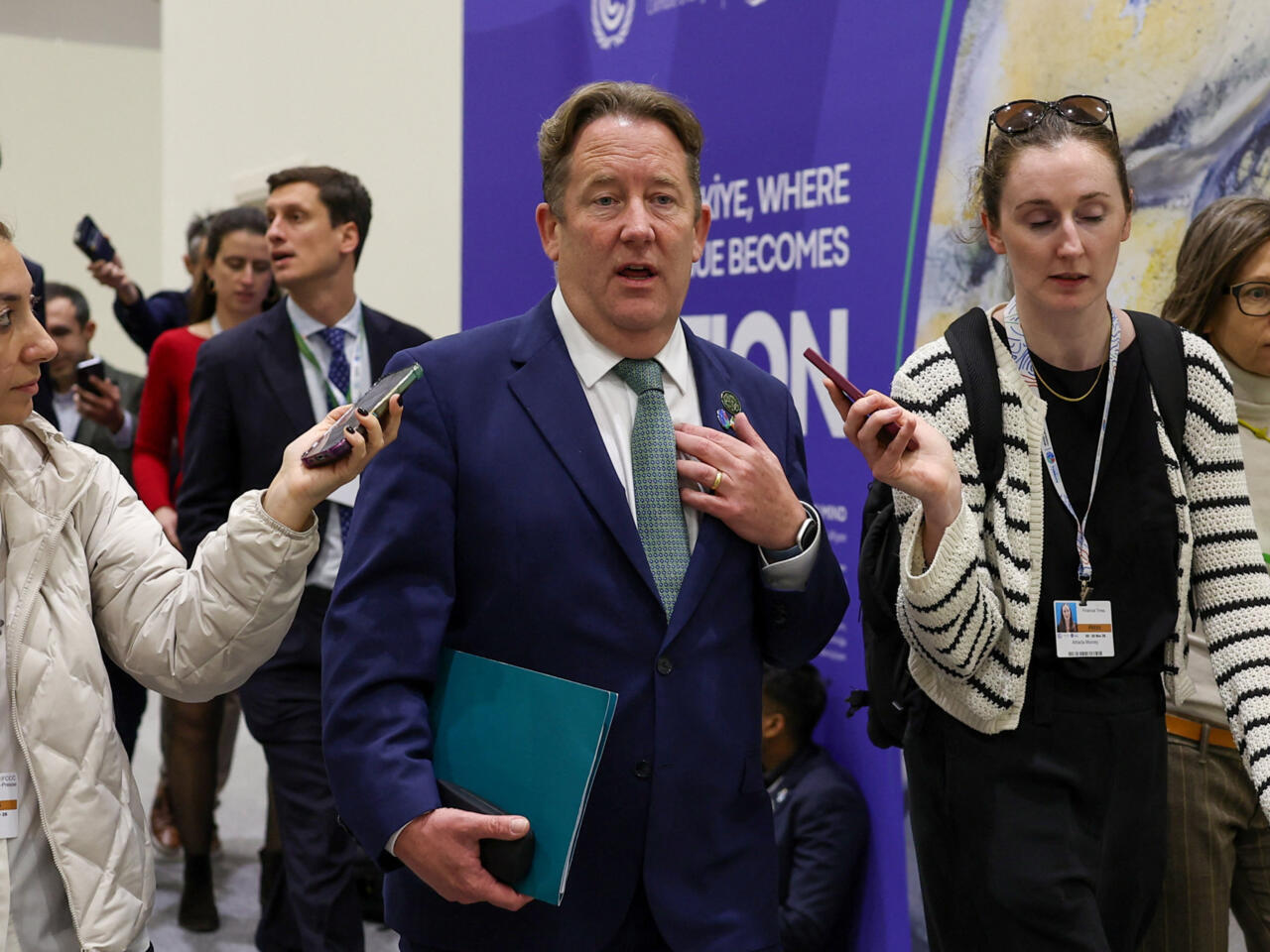
Ireland's Minister for the Environment, Darragh
O'Brien, said the European Union could not support the proposed agreement
because it made no explicit reference to fossil fuels. He said it was
unacceptable for a climate agreement to omit any mention of fuels that are
among the primary causes of global warming, particularly when it also failed to
outline a clear pathway for gradually transitioning away from their use. Panama
also rejected the final draft, saying it did not adequately recognise the
severity of the climate crisis or the urgent need for action.
Saudi Arabia and
Oil-Producing Countries Accused of Pressuring Negotiators
According to observers attending the conference,
Saudi Arabia and other major oil-producing countries pushed during negotiations
for a final draft that would avoid explicitly mentioning fossil fuels while
placing greater emphasis on developing technologies capable of removing carbon
from the atmosphere. Scientists say that carbon dioxide removal technology,
combined with substantial reductions in greenhouse gas emissions, could help
prevent the worst impacts of climate change. However, critics of the proposed
agreement feared that reliance on carbon removal technology could be used to
justify continuing oil production and consumption. A representative of the Saudi delegation
expressed surprise at opposition to technology-related proposals during the
session, saying that if the climate crisis was genuinely so serious, it was
inappropriate to exclude practical solutions from the negotiations.
The COP31 conference took place at a time when
the United Nations Environment Programme warned in October that global
temperatures were on course to exceed the 1.5°C threshold. It is worth noting
that under the 2015 Paris Agreement, countries pledged to keep the rise in
global temperatures well below 2°C above pre-industrial levels and pursue
efforts to limit the increase to 1.5°C. According to experts, rising
temperatures could intensify the risks of extreme heat, droughts, floods,
tropical storms and rising sea levels.
Climate Finance for
Developing Countries Also a Major Point of Disagreement
Climate finance for developing countries was
another major source of disagreement at the conference. Developing nations have
called for greater financial resources to help countries most severely affected
by climate change address losses and damage, protect the environment and adapt
to changing climatic conditions. Meanwhile, developed countries and the
European Union continued to emphasise the need for clear targets to gradually
phase out fossil fuels, while oil-producing nations also highlighted advanced
technologies as an important means of reducing carbon emissions.
Biggest Setback in Climate
Negotiations Since 2009
The failure of the United Nations climate
negotiations is particularly significant because it marks the first time since
the 2009 Copenhagen climate conference that a global climate summit has ended
without a comprehensive agreement. Ongoing wars, economic pressures and
inflation have also affected political attention towards the issue of climate
change worldwide. However, the failure
to reach a new political declaration does not mean that commitments made at
previous climate conferences have been abandoned. Existing international legal
and technical frameworks addressing climate change, including the Paris
Agreement, will remain in force.