Washington: Democratic
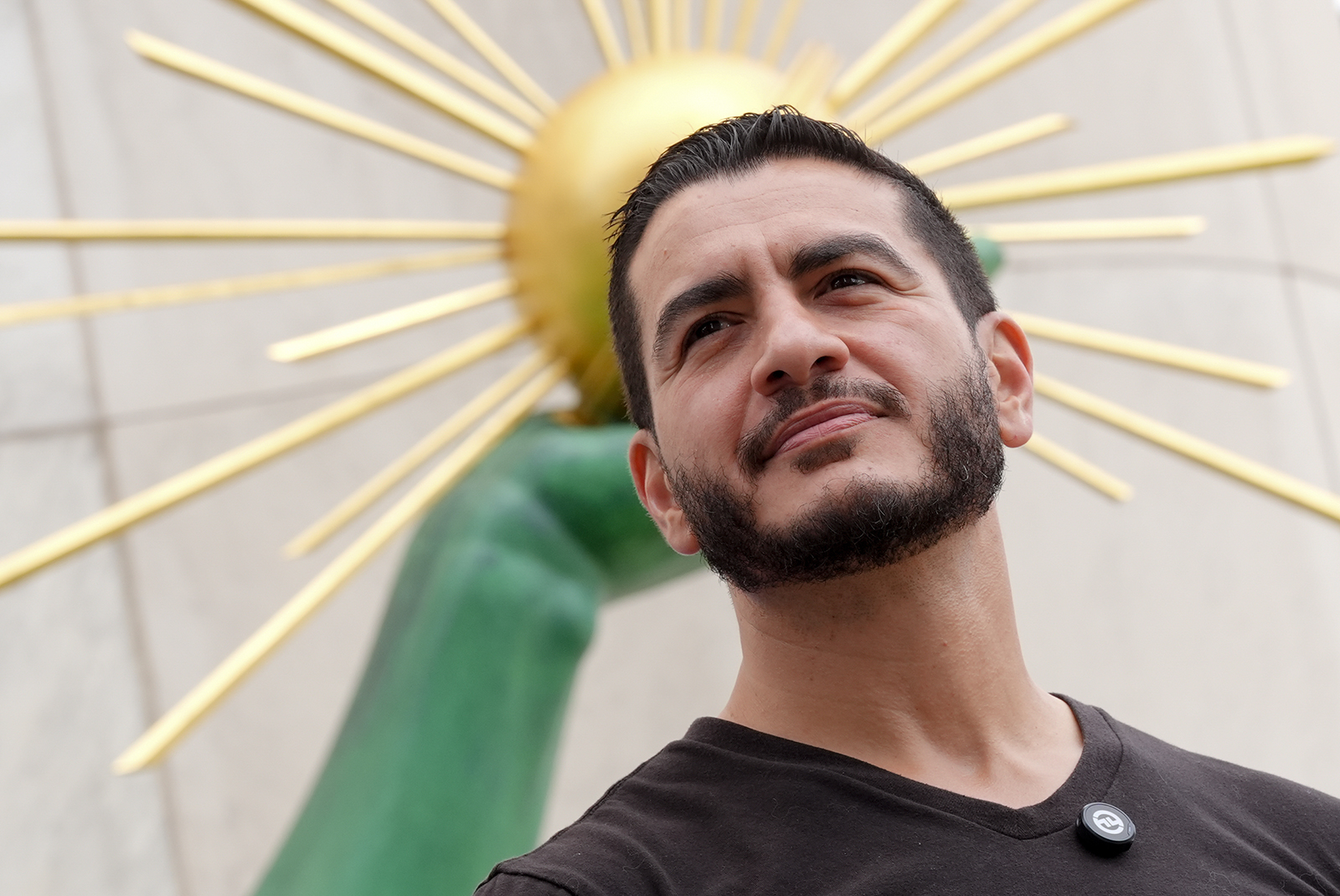
politician Abdul El-Sayed, who has been elected to the U.S. Senate from the
state of Michigan, has said that American citizens do not pay taxes so that
their money can be used to finance the armed forces of other countries. In
expressing this position, he named Pakistan, Israel, Egypt, Saudi Arabia and
Jordan, stressing that the United States should focus on meeting the needs of
its own people. In an interview with the U.S. broadcaster National Public Radio
(NPR) on November 4, El-Sayed was asked about American military aid to Israel
and President Donald Trump’s announcement concerning the assistance. In
response, he said that U.S. funds should be spent at home rather than used to
support foreign militaries.
Pakistan Among Five Countries Mentioned
During the interview, El-Sayed said that whether
the country in question is Israel, Egypt, Saudi Arabia, Jordan or Pakistan, he
believes American taxpayers’ money should not be used to financially support
foreign armed forces. Instead, he argued, these resources should be allocated
to meeting public needs within the United States. He said that billions of
dollars spent on weapons and military equipment for other countries could
instead be used to improve schools, healthcare facilities and infrastructure.
American citizens are facing problems such as inflation and rising medical
costs, he noted, and government priorities should therefore focus on addressing
these challenges.
Support for Trump’s Announcement on Military Aid
to Israel
During the interview, El-Sayed expressed support
for President Trump’s proposed move to end annual U.S. military aid to Israel.
He said the president was right on this particular policy. However, he also
wants the United States to stop selling Israel weapons that, he alleges, are
used in serious human rights violations. According to the Associated Press,
Trump said on November 3 that the United States would end it’s approximately $4
billion in annual aid to Israel in 2027, although arms sales could continue.
The current U.S.-Israel aid arrangement runs through 2028, making the practical
and legal details of implementing the announcement important.
Position on Palestinian Rights and U.S. Foreign
Policy
El-Sayed expressed support for peace, dignity,
equal rights and self-determination for both Palestinians and Israeli Jews. He
said the United States should apply the same principles of international law
and accountability to Israel that it applies to other countries. He also
referred to serious allegations of war crimes and genocide against Israel while
criticising U.S. government policy. These allegations form part of El-Sayed’s
political position and are not being presented here as findings of a final
court judgment.
What Did He Say About Pakistan in the Viral
Statement?
A statement attributed to El-Sayed is circulating
on social media, claiming that Pakistan, Israel and Egypt should have their
financial assistance cut off because all three countries have violated
international law. However, in the original NPR interview available to the
public, he did not make any such specific allegation against Pakistan. Pakistan
was mentioned during his broader criticism of U.S. policy on military
assistance to foreign countries. Therefore, it would be inaccurate to present
his remarks as an accusation that Pakistan had committed a specific violation
of international law. Similarly, the subject of his comments was U.S. financial
and military support for foreign armed forces, rather than general humanitarian
assistance.
Who Is Abdul El-Sayed?
The 42-year-old Abdul El-Sayed is a former public
health official. He defeated Republican candidate Mike Rogers in Michigan’s
Senate election, becoming the first Muslim elected to the U.S. Senate. His
election campaign focused on issues including reducing inflation, expanding
access to healthcare and limiting the financial influence of major corporations
in politics. During the campaign, U.S. aid to Israel and his Muslim identity
also became subjects of political debate. Following his electoral victory,
El-Sayed said he would make the economic difficulties facing American citizens,
along with basic needs such as healthcare and education, among his top
priorities.