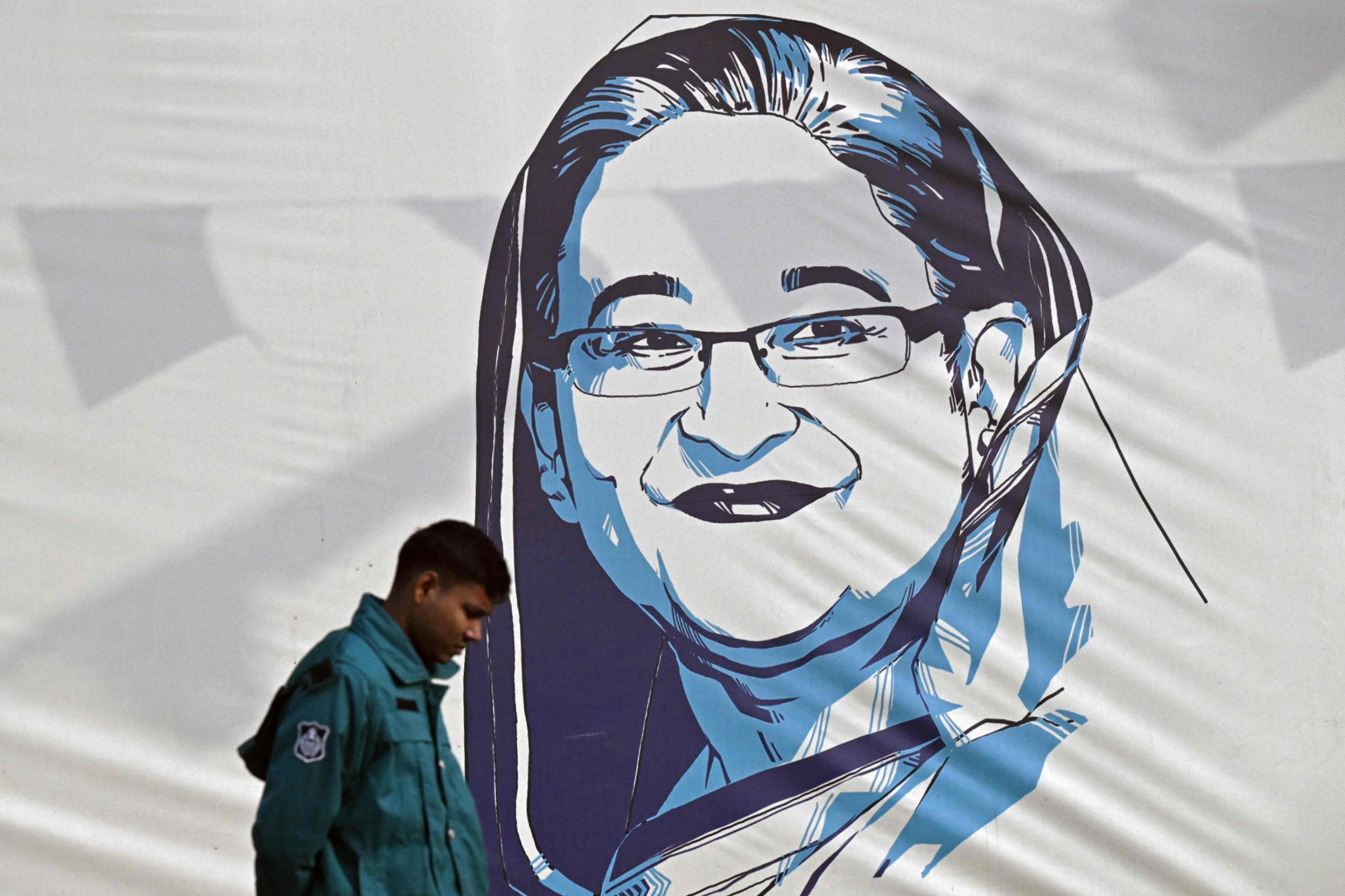
Dhaka: Former Bangladeshi Prime
Minister Sheikh Hasina has formally approached Bangladeshi authorities for the
issuance of a new passport and national identity card, marking a significant
step towards ending her exile in India and potentially returning to her home
country. Her move is being viewed as part of possible efforts to return to
Bangladesh in December this year, a development that could further complicate
the country's political and legal situation. According to a report by a foreign
news website, this is the first time Sheikh Hasina has formally contacted
Bangladesh's new government since losing power and leaving the country
following mass public protests in 2024. Lawyers from London-based legal firm
Matrix Chambers have sent a letter to Priti Rahman, Acting High Commissioner at
the Bangladesh High Commission in New Delhi. The letter requests the issuance
of new travel and national identity documents following reports that Sheikh
Hasina's previous passport and national identity card had been cancelled.
The letter urges Bangladeshi authorities to
process her applications promptly, taking into account her citizenship and
legal rights under international human rights conventions. Her lawyers argue
that, as a Bangladeshi citizen, she is legally entitled to obtain the relevant
documents. Meanwhile, neither Priti Rahman, the Bangladesh High Commission's
representative in New Delhi, nor spokespersons for Prime Minister Tarique
Rahman in Dhaka have issued an official statement on the matter so far. The
possible attempt by Sheikh Hasina to return comes at a time when her party, the
Awami League, has been banned following the end of its rule. Several former
party leaders and ministers are currently in prison facing various cases, while
a number of prominent figures have left the country and are living in India and
other countries.
It is worth noting that Sheikh Hasina served as
Bangladesh's prime minister for a total of approximately 20 years across
different periods. She was forced to step down following widespread public
protests in 2024, after which she sought refuge in India. The former prime
minister's possible return could deepen the existing political divisions within
Bangladesh and may also have implications for the region's diplomatic
landscape. Meanwhile, relations between New Delhi and Dhaka became strained
after India granted refuge to Sheikh Hasina. In this context, the issue of her
return could also create new possibilities for improving relations between the
two countries. For Bangladesh's current government, the situation could pose a
major political and legal challenge, as efforts to restore stability continue
following a prolonged political crisis. Sheikh Hasina's return could trigger a
new phase of political confrontation within the country.