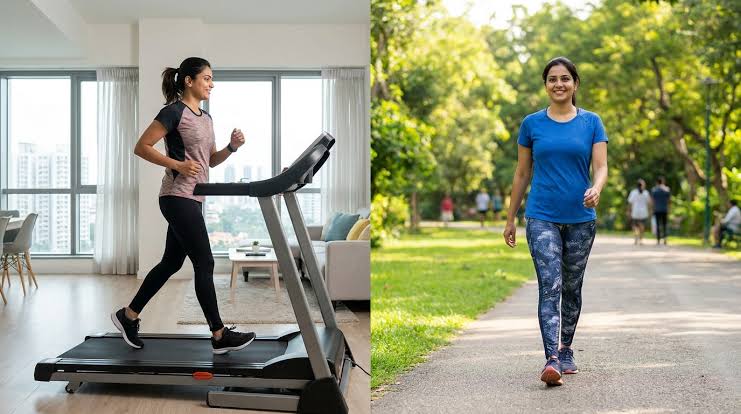
Walking is one of the easiest and most effective
ways to maintain a healthy lifestyle, keep the heart healthy and manage weight.
It requires neither expensive equipment nor a gym membership, and people of all
ages can make it part of their daily routine. However, many people wonder
whether walking indoors, such as on a treadmill, is more effective for weight
loss or whether walking in parks and open spaces is a better option. The truth is that both
approaches have their own benefits. The main difference depends on how long you
walk, how fast you walk and how consistently you maintain the routine.
Which Method Is Better for Weight Loss?
According to fitness experts, there is no single
answer to this question. The best option depends on an individual’s health,
needs, schedule and environment. Walking outdoors allows you to enjoy fresh air
and natural scenery, while indoor walking gives you greater control over your
pace and surroundings. Regular walking, whether indoors or outdoors, can help
burn calories, strengthen muscles and improve mental well-being. It is
therefore important to understand the advantages and limitations of both
options before deciding which one suits you best.
Both indoor and outdoor walking can be effective
for weight loss and calorie burning. Walking on a treadmill and walking
outdoors both use energy and can contribute to weight management. However, the
number of calories burned depends on factors such as body weight, walking
speed, duration and exercise intensity. If you walk on a treadmill, you can
adjust the speed and incline according to your physical ability. This makes it
easier to gradually increase the difficulty of your workout and monitor your
progress. Outdoor walking, on the other hand, may involve uphill paths, stairs
or uneven surfaces, which can require additional effort from the body. However,
outdoor walking does not necessarily burn more calories than indoor walking every
time. Along with walking, a balanced diet and appropriate calorie intake are
essential for weight loss.
In terms of mental health, walking can improve
mood and reduce stress, regardless of where it takes place. However, walking
outdoors amid natural scenery, greenery and daylight may provide additional
relaxation. Spending time in parks and green spaces can help reduce mental
fatigue. Meanwhile, listening to music or watching television while walking
indoors can also help you relax. If you spend most of the day sitting at an
office or at home, taking short walking breaks is an easy way to increase
physical activity. You do not necessarily need to walk for long periods every
time to benefit.
Benefits of Walking Indoors
Indoor walking can be particularly useful for
people with limited time or those who cannot go outside because of bad weather.
If you have a treadmill at home, you can easily set your walking speed and
workout duration. You can maintain your routine indoors during hot weather,
rain or cold conditions. Even without a treadmill, you can remain physically
active by walking from one place to another if you have enough space at home. For
people who are new to exercise, walking slowly on a flat surface can be a good
starting point. They can gradually increase their speed and walking duration as
their stamina improves.
Additional Benefits of Walking Outdoors
Walking in a park, garden or another safe open
space can benefit both physical health and mental well-being. Spending time
among trees, greenery and natural surroundings may help some people feel less
stressed and improve their mood. Changes in walking routes, inclines and
different surfaces can also engage the muscles involved in movement and balance
in different ways. Walking uphill, in particular, can place greater demands on
the muscles of the legs and hips.
Spending time outdoors in daylight may also be
beneficial. However, people should avoid walking in extreme heat, polluted air
or unsafe areas. During Pakistan’s hot weather, early morning or evening, when
temperatures are relatively lower, may be more suitable times for walking.
Walking in a peaceful outdoor setting offers the
added benefit of spending time amid nature and greenery. By contrast, listening
to favourite music or taking a short break from work while walking indoors can
also help relax the mind. For people who spend most of the day sitting at home
or in an office, taking short walking breaks is a simple way to increase
physical activity. Long walking sessions are not necessary every time to gain
benefits.
Which Is Better for Muscles and Balance?
Walking outdoors on uneven surfaces and varied
terrain can engage the muscles responsible for maintaining balance more
actively. Walking on hilly or sloping routes can also increase exercise
intensity. On a treadmill, you can use the incline setting to achieve a similar
effect. Walking on a flat indoor floor, however, may be easier for people who
want to begin exercising gradually. People who have difficulty maintaining
their balance or are at risk of falling should choose a safe walking
environment suited to their physical condition.
How Long Should You Walk Every Day?
People who are just beginning a walking routine
can start by walking at a comfortable pace for 10 to 15 minutes a day. Once their
bodies become accustomed to the routine, they can gradually increase the
duration. For general health, adults are generally advised to aim for at least
150 minutes of moderate-intensity physical activity per week, such as brisk
walking. This can be divided into five sessions of approximately 30 minutes
each. Depending on their ability and schedule, people can also complete the
recommended duration in shorter sessions. During moderate-intensity walking,
breathing and heart rate become faster than usual, but talking is generally
still possible. If you experience chest pain, severe shortness of breath or
dizziness while walking, stop exercising and seek medical advice.
Which Option Should You Choose?
For weight loss and better health, neither indoor
walking is necessarily superior to outdoor walking, nor is outdoor walking the
best choice for everyone. If you enjoy natural surroundings and the weather and
air quality are suitable, walking outdoors can be an excellent option. If you
face time constraints, extreme heat, pollution or safety concerns, indoor
walking can be equally useful. The best approach is to include both options in
your routine whenever possible. Walk in a park on some days and complete your
walking target indoors on others. Consistency, a balanced diet and regular
physical activity can help you manage your weight and improve your overall
health.