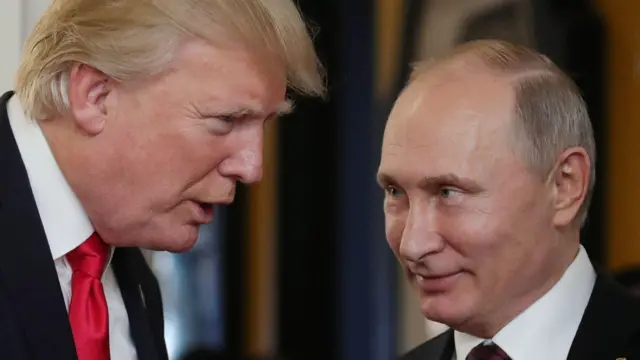
U.S. President Donald Trump has announced an
agreement to bring hundreds of thousands of tons of Russian diesel to the
global market following a telephone conversation with Russian President
Vladimir Putin. Ukrainian President Volodymyr Zelenskyy has strongly criticized
the move, describing it as a gift to Putin.
According to news agencies, Trump said Russia
would immediately supply more than 300,000 tons of diesels, followed by another
500,000 tons in November and a further one million tons thereafter. The U.S.
president added that Russia could supply an additional three million tonnes of
diesel in the short term, depending on the operational conditions at its
refineries. Trump said the aim was to increase diesel supplies in the United
States and global markets and bring down high fuel prices.
Ukrainian President Volodymyr Zelenskyy expressed
concern over the American decision, arguing that easing pressure on Russia
would not help bring the war to an end. In his response on social media,
Zelenskyy said that giving Putin gifts would neither establish peace nor
benefit the world. He suggested that Russia could use the diesel supply
arrangement as an opportunity to launch further attacks and pursue aggressive
actions. The Ukrainian president
maintains that any easing of sanctions against Russia should be linked to a
clear and lasting agreement to reduce hostilities. Ukraine fears that increased
Russian energy revenues could provide Moscow with additional financial
resources to continue the war. Alongside Trump's announcement, the U.S.
Treasury Department issued a temporary license allowing Russian diesel to reach
global markets. The measure has opened the way for some restrictions on trade
in Russian diesel to be relaxed.
The decision is particularly significant because
Russia has faced numerous economic and energy-related sanctions imposed by the
United States and its allies since launching its full-scale invasion of Ukraine
in February 2022. One of the main objectives of these sanctions has been to
limit Russia's revenues and put pressure on its ability to sustain the war. Trump's
latest announcement is being viewed as a significant shift in Washington's
previous policy toward Russia. However, its practical impact will depend on
actual diesel deliveries, the conditions attached to the sanctions relief and
developments in the global energy market.