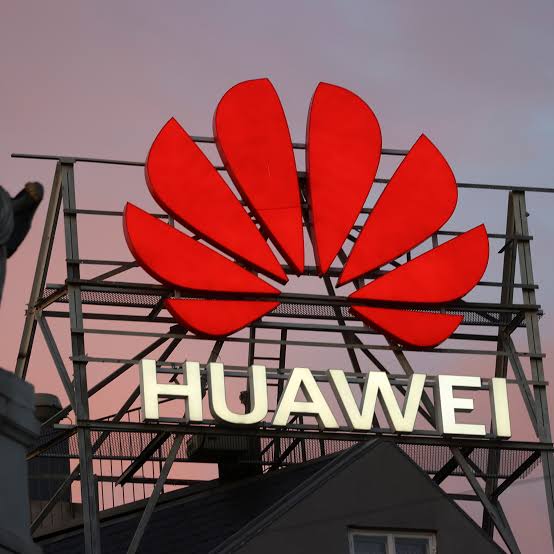
A jury in a US federal court has found Chinese
telecommunications giant Huawei guilty of 10 out of 12 criminal charges,
including concealing its business activities in Iran, misleading banks and
conspiring to steal trade secrets from American companies.
The Chinese company has announced that it will
appeal the verdict.
According to media reports, the verdict delivered
on Tuesday at a federal court in Brooklyn found Huawei guilty of bank fraud,
wire fraud, violating US sanctions and conspiring to steal trade secrets.
However, the jury acquitted the company of charges of obstruction of justice
and conspiring to engage in racketeering activities. The criminal case against Huawei began in
2018, after which the US government added the company to its trade blacklist in
2019. The move restricted Huawei's access to American technology and products.
Washington had also raised concerns that the company posed a threat to US
national security. The trial lasted more than two months. Prosecutors presented
testimony from more than 60 witnesses, while the defence called 15 witnesses.
US District Judge Ann Donnelly is scheduled to
sentence the company on September 14, 2027. However, details of any potential
fines or other penalties have not yet been disclosed. Huawei's lawyer, Brian Heberlig, expressed
disappointment over the verdict and said the company would appeal. He added
that the acquittal on the charge of conspiring to engage in racketeering
activities supported Huawei's position that it had acted in good faith in complying
with the law. According to US prosecutors, Huawei concealed its business
dealings in Iran from banks and attempted to obtain trade secrets from American
technology companies. The allegations included attempts to access source code
related to routers developed by Cisco Systems, antenna technology belonging to
Quintel and circuit boards produced by semiconductor company CNEX. During the
trial, jurors were also shown a video that allegedly depicted a Huawei employee
concealing a component of T-Mobile's testing robot in his bag.
The defence argued that banks were aware of
Huawei's business activities in Iran and were themselves willing to maintain
business relationships with the company. The case is also linked to the legal
proceedings involving Huawei Chief Financial Officer Meng Wanzhou, who was
arrested in Canada in December 2018 under a US warrant. She was accused of
misleading an HSBC bank executive about Huawei's activities in Iran. After
nearly three years of legal proceedings, she agreed to a deferred prosecution
agreement and returned to China, following which the charges against her were
dropped. According to US officials, Huawei had also failed to provide accurate
information about its business operations in Iran to HSBC, Standard Chartered
and BNP Paribas. It is worth noting that Huawei operates in around 170
countries and employs more than 200,000 people worldwide. Experts say that
despite US sanctions, the company has continued to expand its business and is
also playing a significant role in China's artificial intelligence sector.