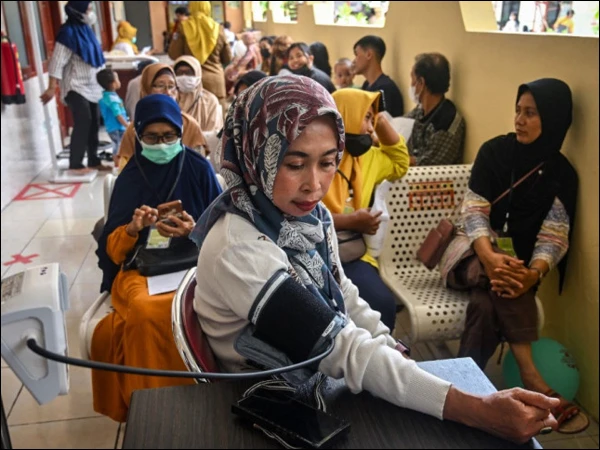
Taking care of women's health is important not
only for their personal well-being but also for the welfare of their families.
Whether a woman works outside the home or manages household responsibilities,
neglecting nutrition, physical activity, and mental well-being can lead to
various health problems. According to experts, paying timely attention to
common diseases and their symptoms can help reduce the risk of complications.
Anemia
Anemia is a common problem among women,
particularly adolescent girls. Iron deficiency is one of its major causes and
can lead to fatigue, weakness, and difficulty performing everyday activities.
Chicken, beans, lentils, green leafy vegetables, and dried fruits can help
provide iron. Fruits rich in vitamin C improve iron absorption, while
vegetables, grains, eggs, peanuts, and seeds are useful dietary sources of
folate. Medical evaluation is essential if persistent weakness or other
symptoms of anemia occur.
Dietary habits and meal timing can also affect
health. Irregular eating patterns and a lack of essential nutrients may affect
energy levels and body weight. Fruits, vegetables, and fiber-rich whole grains
are important components of a balanced diet and help maintain intestinal
health. Proper nutrition is also important for healthy skin, although skin
problems cannot be attributed solely to meal timing.
Calcium Deficiency and Weak Bones
Calcium, vitamin D, and regular physical activity
are essential for maintaining strong bones. Milk, yogurt, and cheese are good
sources of calcium, while adequate protein and phosphorus also contribute to
bone health. The risk of weakened bones can increase with age, particularly
after menopause. Therefore, women should not automatically dismiss pain as a
normal part of aging and should consult a doctor when necessary.
Weight Gain
Unnecessary weight gain is another issue that
requires attention. Excess weight can increase the risk of high blood pressure,
diabetes, and heart disease. Regular exercise, adequate sleep, and a varied
diet can help maintain a healthy weight. Chicken, eggs, milk, yogurt, lentils,
and beans provide protein and can form part of a balanced diet.
Heart Health and Blood Pressure
Women should also pay close attention to their
cardiovascular health. Changes in the body during menopause can affect blood
lipid levels and the risk of cardiovascular disease. Regular physical activity
throughout the week, a fiber-rich diet, and limiting saturated fat are
beneficial for heart health. Checking blood pressure and cholesterol levels can
also help identify potential health risks at an early stage.
Depression and Mental Health
Mental health is just as important as physical
health. Depression and anxiety can affect people of all ages, including women. A
balanced diet, adequate sleep, exercise, and social support can contribute to
overall well-being. However, professional help is essential when persistent
sadness, anxiety, or difficulties in daily life occur. The key message for
women is not to neglect their own health while fulfilling family
responsibilities. Timely medical checkups, a balanced diet, and healthy daily
habits can help reduce the risk of many diseases and support long-term
well-being.