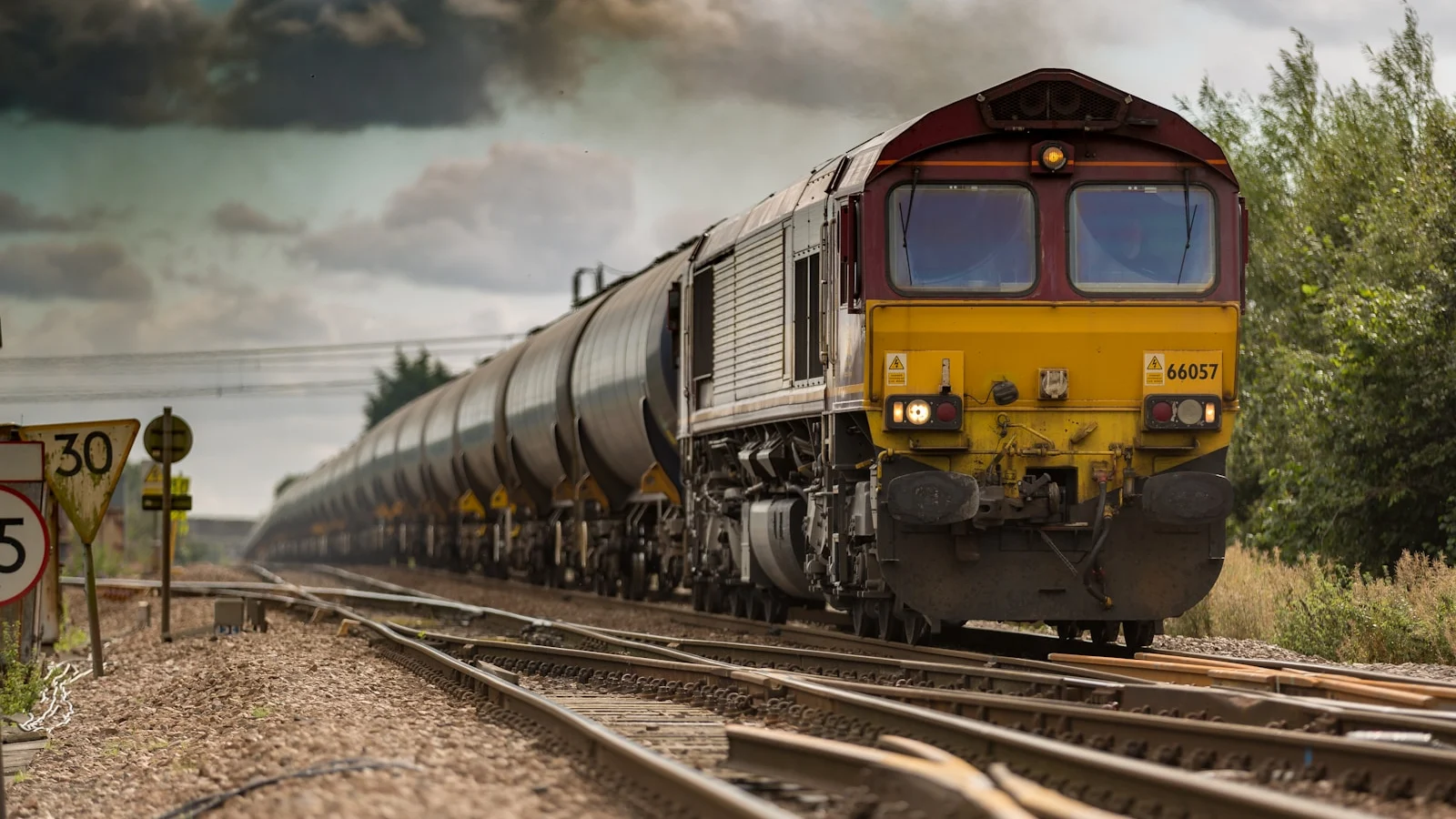
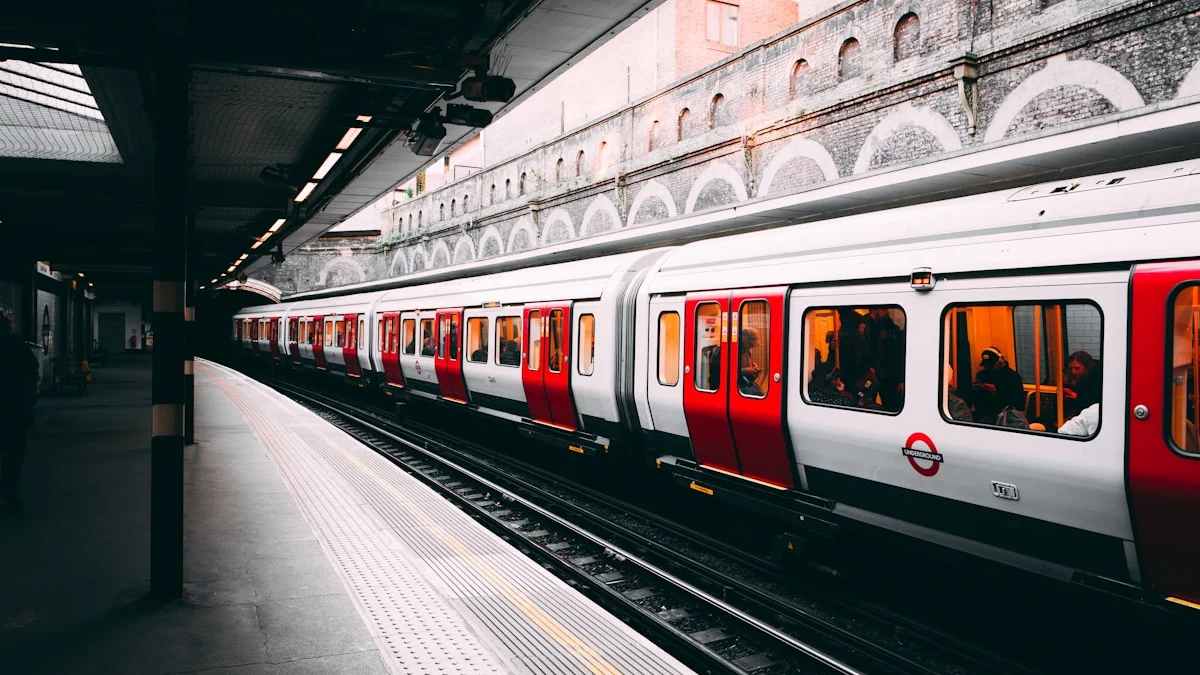
Pakistan Railways has completed the initial engineering phase of the Mainline-1 (ML-1) track modernization project connecting Karachi port with inland logistics terminals in Multan, Lahore, and Rawalpindi. The infrastructure upgrade introduces heavy-load rail ballast, concrete sleeper beds, and automated signaling systems capable of handling high-speed freight transport.
Prior to the overhaul, aging track infrastructure limited freight train speeds to 65 kilometers per hour, causing shipment backlogs at maritime ports. The modernized track configuration allows heavy container trains to operate safely at speeds of up to 120 kilometers per hour.
Heavy-rail track bed engineering and signaling upgrade
Transit times for containerized cargo between Karachi and Lahore dry ports were reduced from 48 hours to under 24 hours, dramatically accelerating supply chain velocity for domestic manufacturers and agricultural exporters.
Automated level-crossing barriers and radar-based track sensor systems were installed across 90 high-density rail intersections, eliminating collision risks and improving train punctuality.
Cargo transit duration between Karachi port and Lahore dry ports dropped from 48 hours to under 24 hours.
Port-to-inland cargo throughput and freight timing
New high-efficiency diesel-electric locomotives featuring regenerative dynamic braking reduce fuel consumption per ton-kilometer by 22 percent.
Logistics operators reported lower transport costs compared to long-haul road trucking, shifting heavy freight traffic from national highways to energy-efficient rail corridors.
Centralized dispatching control centers in Karachi and Lahore monitor train positions in real time using satellite GPS telemetry.
Safety automation and long-term logistics efficiency
Feeder track links connecting inland industrial estates directly to main freight corridors are currently under construction.
Automated signaling and level-crossing barriers across 90 intersections drastically reduced collision risks.
Transport economists emphasized that a modernized rail backbone is essential for expanding national trade volume and lowering industrial logistics overhead.
The upgrade of Mainline-1 represents a major milestone in modernizing Pakistan's national transport grid, driving economic productivity across all commercial sectors.