Asia Pacific
Shinzo Abe: Japan’s Longest-Serving Prime Minister
Shinzo Abe first served as Japan’s prime minister from 2006 to 2007. He returned to office on September 26, 2012,
- Reading time
- 4 min read
- Published
- 2 Nov 2026, 21:19

Asia Pacific
Shinzo Abe first served as Japan’s prime minister from 2006 to 2007. He returned to office on September 26, 2012,
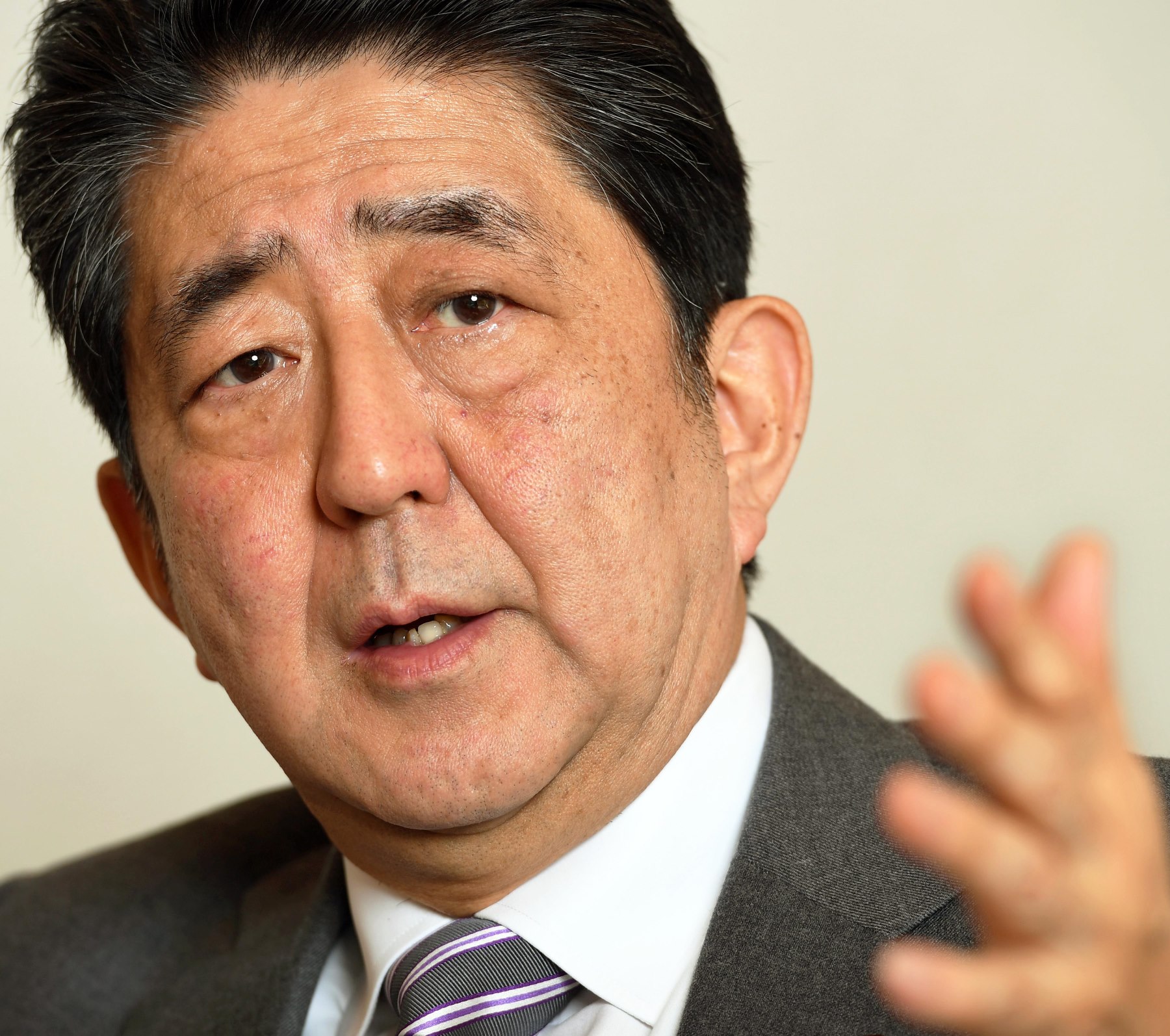
Shinzo Abe first served as Japan’s prime minister from 2006 to 2007. He returned to office on September 26, 2012, after becoming president of the Liberal Democratic Party (LDP), and resigned on September 14, 2020, citing health reasons.
Former Japanese Prime Minister Shinzo Abe began his career at a steel company before becoming the country’s longest-serving prime minister. He left a lasting mark on the geopolitical landscape of the Asia-Pacific region, with consequences that are likely to be felt for many years. Abe had stepped away from politics for health reasons long before he was shot and killed by a former member of Japan’s Self-Defense Forces on Friday. He was assassinated in the city of Nara while campaigning among the public for an LDP candidate contesting the upper house election scheduled for Sunday.
Abe played an important role in strengthening friendly relations between India and Japan. During his tenure, the two countries launched several new initiatives in trade, investment and strategic cooperation. He also spearheaded the Quadrilateral Security Dialogue (Quad), an initiative involving Japan, Australia, the United States and India in the Asia-Pacific region. Today, the four-country grouping has developed into an established strategic partnership. During his first term, Abe took concrete steps alongside then Indian Prime Minister Manmohan Singh to strengthen India-Japan relations. He also enjoyed friendly relations with Prime Minister Narendra Modi. During his most recent visit to Japan, Modi met the former Japanese prime minister. Referring to his meeting with Abe, Modi also shared a photograph of the two on Twitter.
Shinzo Abe first served as prime minister from 2006 to 2007. He returned to the post on September 26, 2012, after becoming president of the Liberal Democratic Party, and resigned on September 14, 2020, due to health problems. Abe was a member of the far-right organization Nippon Kaigi (Japan Conference). He was widely regarded as a right-wing populist and one of the most conservative leaders within the Liberal Democratic Party. Many of his political opponents in Japan criticised his policies as reactionary and fascist. Nevertheless, he remained a popular prime minister among the public. China and South Korea also expressed concerns over his views on historical issues.
In 2007, Abe denied reports that Japan had forced women from other countries into sexual slavery during World War II. Shinzo Abe was born on September 21, 1954, in Shinjuku, Tokyo. His father was Shintaro Abe and his mother was Yoko Abe. His wife is Akie Abe. Abe graduated in political science from Seikei University in Japan. He later went to the United States to study at the University of Southern California but returned to Japan without completing his studies.
Also Read:
Abe belonged to a prominent political family in Japan, but before entering politics, he began working for Kobe Steel in April 1979. He left the company in 1982 and subsequently held several government and political positions. These included serving as executive assistant to the foreign minister, private secretary to the chairman of the Liberal Democratic Party's General Council, and private secretary to the LDP secretary-general.
He was first elected to Japan’s House of Representatives in 1993. In September 2005, Prime Minister Junichiro Koizumi appointed him chief cabinet secretary. Abe succeeded Koizumi as prime minister in 2006. At the age of 52, he became Japan’s youngest prime minister at the time and the first head of government born after World War II. He resigned on September 12, 2007, citing health reasons. Yasuo Fukuda succeeded him and served as prime minister for 16 months.
Abe later returned to the political arena and announced his candidacy for the presidency of the Liberal Democratic Party on September 26, 2012. He contested the party leadership against former Defence Minister Shigeru Ishiba and defeated him to become party president. He led the LDP to a landslide victory in the 2012 general election, becoming the first former prime minister to return to the office since Shigeru Yoshida in 1948. He was re-elected in the 2014 general election, retaining a two-thirds majority in the lower house with coalition partner Komeito. He secured another two-thirds majority in the 2017 general election. In recognition of his contributions, India awarded Abe the Padma Vibhushan, the country's second-highest civilian honour.