The world has greater financial and technological
resources than ever before to tackle climate change, yet millions of people are
unable to benefit from them. The upcoming United Nations Climate Change
Conference (COP31) must not only find solutions to existing challenges but also
ensure that these solutions are accessible to all countries and people. Devastating
floods, deadly heatwaves and prolonged droughts have been among the most
prominent climate-related realities this year. Scientists have also confirmed
that the world is heading towards a rise in global temperatures exceeding 1.5
degrees Celsius. The effects of climate change could become even more severe in
the presence of a powerful El Niño. Against this backdrop, representatives from
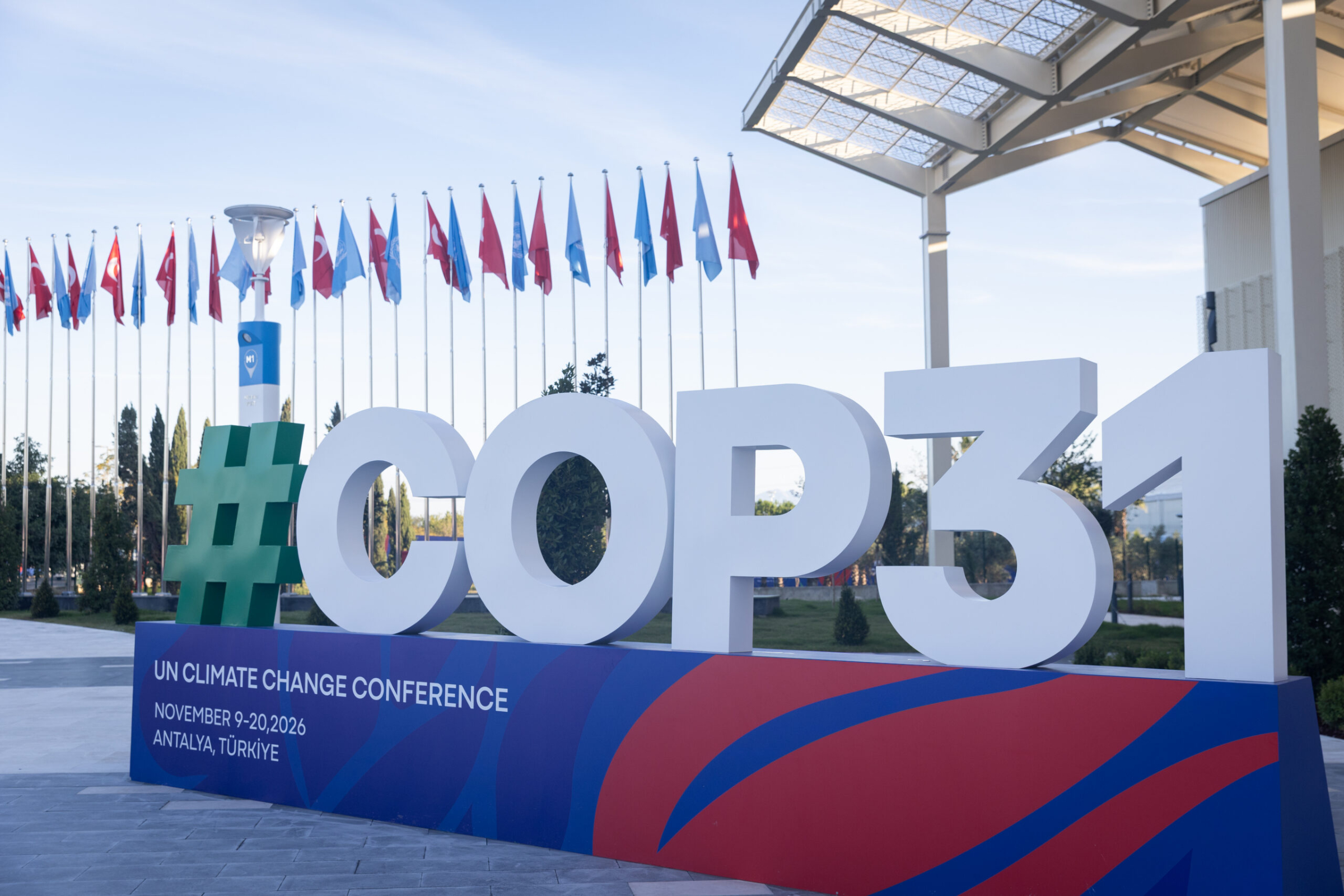
more than 190 countries will gather in Antalya, Türkiye, from November 9 to 20
for COP31, the United Nations' annual global climate conference.
Although the use of fossil fuels, including oil,
gas and coal, remains the primary cause of global warming, the technologies
needed to move away from them are advancing at an extraordinary pace. Solar
energy, electric vehicles and battery storage systems are becoming more
affordable and accessible than ever before. Despite these developments, many
countries are still unable to benefit from them.
What is the reason?
Ahead of COP31, UN News spoke with Selwin Hart,
the United Nations Special Adviser on Climate Action and a Just Transition to
Environmentally Friendly Energy, about what is at stake at the conference, the
obstacles standing in the way of progress, and what another round of climate
diplomacy could achieve.
Why COP31 Matters
COP stands for the Conference of the Parties. The
parties are the countries that are members of the United Nations Framework
Convention on Climate Change (UNFCCC). At these annual conferences, governments
from around the world review progress made in addressing climate change and
negotiate measures that require collective global efforts rather than action by
individual countries. These negotiations led to the historic Paris Agreement in
2015, under which member countries pledged to keep the rise in global
temperatures well below 2 degrees Celsius above pre-industrial levels and
pursue efforts to limit it to 1.5 degrees Celsius. COP meetings are no longer
limited to government negotiations. Businesses, scientists, representatives of
local and Indigenous communities, young people and civil society organizations
also participate actively, reflecting the scale and seriousness of the
challenge. Selwin Hart says there is now clear recognition that everyone must
play a role in addressing the climate crisis.
How Effective Are Climate Conferences?
The success of such conferences is generally
judged by the agreement reached at the end of the proceedings. Sometimes,
reaching an agreement requires several days of difficult negotiations, followed
by last-minute compromises. However, Selwin Hart says that focusing solely on
the final agreement does not present the complete picture. He believes these
conferences can make a positive difference in three ways.
Member countries seek to reach consensus on
issues such as providing climate finance, reducing greenhouse gas emissions and
adapting to the impacts of climate change. However, geographical and political
differences often stand in the way of more effective decisions.
- • An Agenda for Practical Action
Governments, development banks, businesses and
civil society organisations work together to identify practical solutions.
These include promoting renewable energy, modernising electricity transmission
networks and reducing methane emissions.
- • National Commitments and Actions
Member countries also use these conferences to
announce new initiatives at the national level. These may include new climate
projects, commitments to reduce dependence on fossil fuels and financial
support for climate-related objectives. Selwin Hart says there is sometimes an
expectation that COP will produce a major historic agreement capable of
resolving the climate crisis.
But that is not realistic.
Türkiye will host and preside over this year's
conference, while Australia will lead the negotiations in cooperation with
Pacific island countries. The conference will place particular emphasis on
practical action rather than merely making pledges. Türkiye has identified
several priority areas, including clean energy, food security,
climate-resilient cities, green industries, ocean protection and waste
reduction. Selwin Hart says he is personally advocating for the conference
agenda to be renamed the "Implementation Agenda". His aim is to emphasize
that the time for making promises has passed and the focus must now shift to
implementing them.
Decisions Expected in Antalya
Behind diplomatic language and negotiations are
decisions that can affect the lives of millions of people. Several major issues
related to tackling climate change remain unresolved and are expected to be at
the center of discussions at the upcoming conference.
Developing countries want wealthy nations to
fulfil their financial commitments under the Paris Agreement. However,
disagreements remain over who should be responsible for providing the funds,
how countries can access them and how resources within the global financial
system can be redirected towards climate action.
Last year, member countries agreed to establish a
mechanism to support the transition towards clean and environmentally friendly
economies. However, its operating framework and practical implementation have
yet to be determined.
At COP31, negotiators will continue working on
ways to assess progress in adapting to climate change, while developing
countries will demand additional financial support for these efforts.
The Challenge of Greenhouse Gas Emissions
Governments remain divided over how to make
efforts to reduce greenhouse gas emissions more effective and ensure that
existing commitments are fulfilled. The second phase of the Global Stocktake
will also begin during COP31. This is a formal process under the Paris
Agreement through which the international community assesses overall progress
towards achieving the agreement's long-term goals.
'Has the Battle Already Been Lost?'
Scientists are warning that the world could
temporarily exceed the 1.5-degree Celsius temperature limit. However, how far
global temperatures rise above this threshold and how long they remain there
will depend on decisions made today by governments, businesses and societies. According
to Selwin Hart, a temporary overshoot of the temperature limit does not mean
that the battle has been lost. Instead, it should serve as a reminder that much
more urgent and serious action is needed. The good news is that the world is
now far better equipped than ever before to address this challenge.
A Ray of Hope
The situation surrounding the transition to clean
and renewable energy was very different a decade ago. Since then, technological
progress has accelerated at an extraordinary pace. Ten years ago, electric
vehicles accounted for less than one per cent of new car sales worldwide. By
2025, their share had risen to one-quarter, and electric vehicles are expected
to account for 28 per cent of new car sales this year. Last year, global solar
power generation capacity increased by more than 600 gigawatts. This accounted
for more than three-quarters of the total increase in renewable energy capacity
recorded worldwide during the year. The world's battery-based electricity
storage capacity has now increased eleven fold compared with 2021. An
additional 108 gigawatts of storage capacity was installed in this sector last
year alone.
Solutions Exist, So What Is the Obstacle?
Investment in clean energy has increased rapidly,
but its benefits have not reached all countries and populations equally. Emerging
and developing economies, excluding China, are home to nearly two-thirds of the
world's population. Yet, in 2025, these countries received only 18 per cent of
global investment in clean energy. According to Selwin Hart, the cost of
securing financing is one of the biggest obstacles to investment. In developing
countries, obtaining capital for renewable energy projects can be several times
more expensive than in wealthy nations, even though the technology used in both
is identical. Climate financing mechanisms are needed that do not further
increase the debt burdens of member countries. COP31 cannot resolve the climate
crisis in just two weeks, but it can certainly help remove the barriers that
prevent existing solutions from reaching the people who need them most.