Armed conflicts around the world are becoming
increasingly deadly for women and girls. According to a United Nations report,
one in every four civilians killed in conflicts last year was a woman or a
girl. This proportion is twice the level recorded in 2021. The United Nations
has warned that the consequences of war extend far beyond fatalities. Sexual
violence, maternal deaths, poverty, and the destruction of essential services
have further worsened the hardships faced by women and girls. According to the
UN’s annual report on Women, Peace and Security, more than 37,000 civilians
were killed in armed conflicts last year. At least 25 women and girls are
losing their lives every day in conflict-affected areas. The report states that
approximately 750 million women and girls live within 50 kilometers of active
conflict zones. This figure is 40 million higher than in 2024 and has reached
its highest level since 1990.
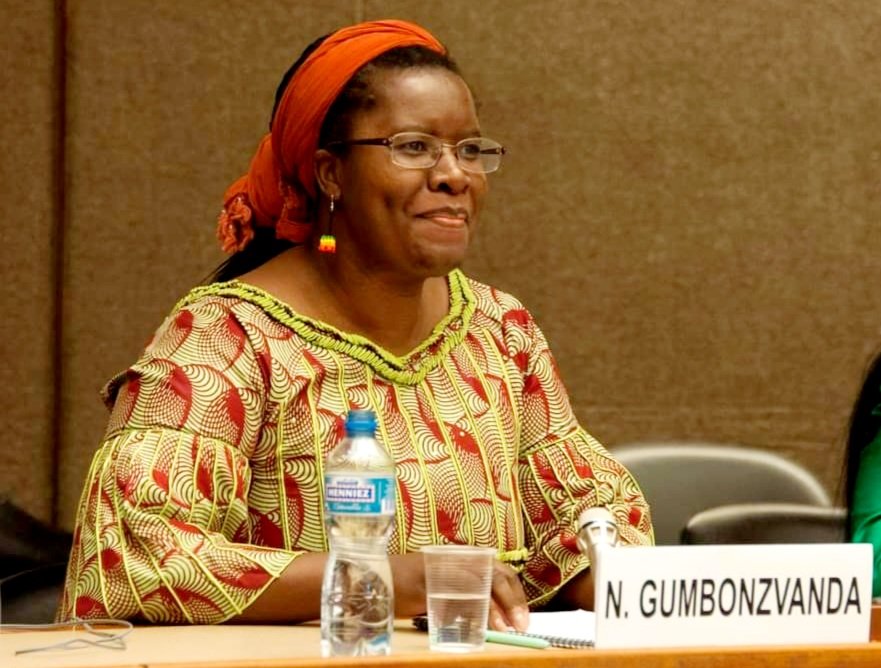
Nyaradzayi Gumbonzvanda, Deputy Executive
Director of UN Women, presented the report in New York and said that war is
becoming increasingly lethal for women and girls. According to her, war has
become a reality that women can no longer ignore, as its consequences are now
reaching their homes and affecting their daily lives. The report states that
the United Nations verified 9,788 cases of conflict-related sexual violence in
2025. This figure is more than double the number recorded the previous year and
nearly four times the level reported in 2022. Haiti recorded a 163 per cent
increase in reported cases of sexual violence. These figures highlight the
severity of the dangers women and girls face during armed conflicts. The report
also expressed concern over the limited representation of women in peace
negotiations. Although women bear many of the devastating consequences of war,
they continue to have insufficient representation in discussions aimed at
resolving conflicts.
Women’s health is also under severe strain in
areas affected by armed conflicts. According to the report, pregnant women in
conflict-affected countries face a risk of dying during childbirth that is five
times higher than that faced by women in peaceful countries.
The destruction of hospitals and maternity centers
in Gaza, combined with shortages of essential medical supplies, has further
deteriorated the situation. The report highlights a 41 per cent decline in live
births and a 300 per cent increase in miscarriages. The destruction of medical
facilities has disrupted access to the care required by pregnant women and
newborn babies. Under such circumstances, even routine medical services can
become a matter of life and death.
Poverty and Unpaid Care Work Add to Women’s
Burdens
According to the UN report, approximately 170
million women and girls live in areas affected by both armed conflict and
extreme poverty. These women and girls survive on less than $3 a day. In
conflict-affected countries, women spend five times as much time on unpaid care
work as men and boys. This includes caring for children and other family
members, as well as managing everyday household responsibilities. As war
disrupts income, healthcare, and access to essential services, the economic and
social pressures on women increase further.
The report also expressed concern over the
increasing use of drones and long-range weapons in populated areas. Attacks on
schools, markets, and hospitals were identified as serious threats to civilian
safety. The figures presented by the United Nations highlight the severe human
consequences of armed conflicts. In addition to deaths, women and girls face
sexual violence, shortages of medical care, poverty, and growing
responsibilities for unpaid care work. The findings underscore the importance
of ensuring women’s meaningful participation in peace efforts and strengthening
the protection of civilians during armed conflicts.