Exit polls and preliminary results following
Israel’s highly significant general election have pointed to a new political
crisis and a potential deadlock in government formation. The election has dealt
a major blow to Prime Minister Benjamin Netanyahu’s bloc. The election, held
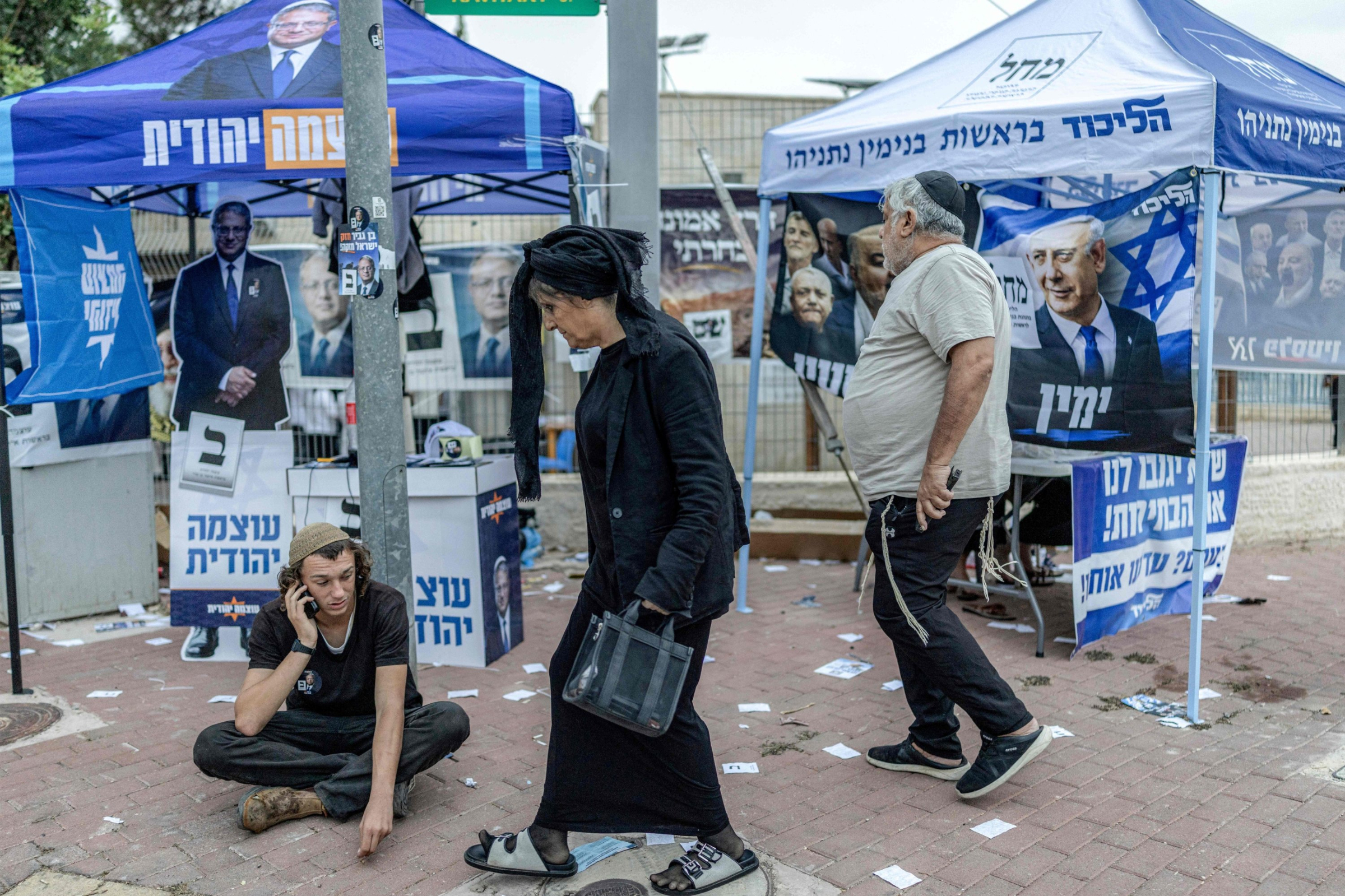
amid security concerns and a wave of public anger, witnessed an unusually high
level of voter participation. According to the Central Elections Committee,
more than 5.7 million people out of approximately 7.3 million eligible voters
cast their ballots, bringing voter turnout to 77.7 percent — the highest rate
since 1999.
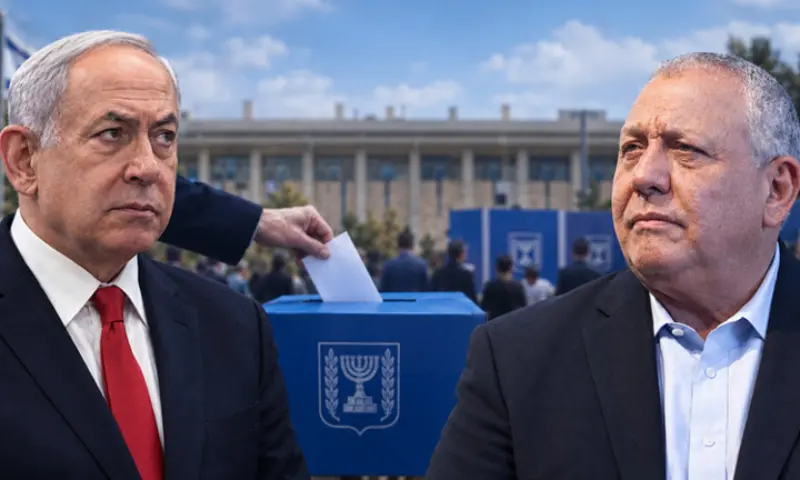
According to preliminary exit polls, Netanyahu’s
ruling Likud Party has emerged as the largest single party, but his bloc of
right-wing and ultra-religious allies appears to have fallen short of retaining
a majority in the 120-member Knesset, Israel’s parliament. According to exit
polls and preliminary estimates by Israeli news channel Channel 12, Netanyahu’s
coalition is projected to have fallen from its previous 68 seats to just 52,
with Likud expected to secure 27 seats. Meanwhile, the opposition alliance led
by former military chief and prominent opposition leader Gadi Eisenkot, known
as Yashar, along with other opposition parties, is projected to win 49 seats.
Eisenkot’s own alliance is expected to secure between 21 and 22 seats.
However, neither side appears to have secured the
61 seats required for a simple majority to form a government, raising the
prospect of intense political negotiations and coalition maneuvering in
parliament. One of the most significant aspects of the election is the historic
rise of Arab political parties, including the Joint List and Ra’am, which are
projected to win a combined 19 seats. This would represent the largest number
of Arab representatives in the history of the Israeli parliament.
The development could place Arab parties in a
pivotal and potentially decisive position in the government formation process.
However, speaking in Jerusalem on Wednesday morning, Netanyahu acknowledged the
decline in his bloc’s seats but claimed that the results demonstrated that he
continued to enjoy majority support among the Zionist and Jewish electorate. He
described Arab parties as anti-Zionist and categorically ruled out forming a
government with them. In light of the exit polls, opposition leader Gadi Eisenkot
said that the public had voted for change. However, securing a clear and
straightforward path to government formation remains a challenge for the
opposition as well.
Under Israel’s constitutional procedures, once
the final election results are officially certified, the president will invite
the leader considered most capable of securing a parliamentary majority to form
a government. Eisenkot could be given four to six weeks to negotiate with other
parties and assemble a coalition of 61 seats. However, if neither Eisenkot nor
Netanyahu manages to demonstrate a majority and parliament fails to agree on a
candidate, Israel could once again be forced to hold another general election.
Until the final results are announced and a new government is formed, Netanyahu
will continue serving as caretaker prime minister.